Why Housing Societies Delay Maintenance Planning and Pay More Later
Published: 1st Aug 2026•By BlockPilot
Co-Op Housing Insights
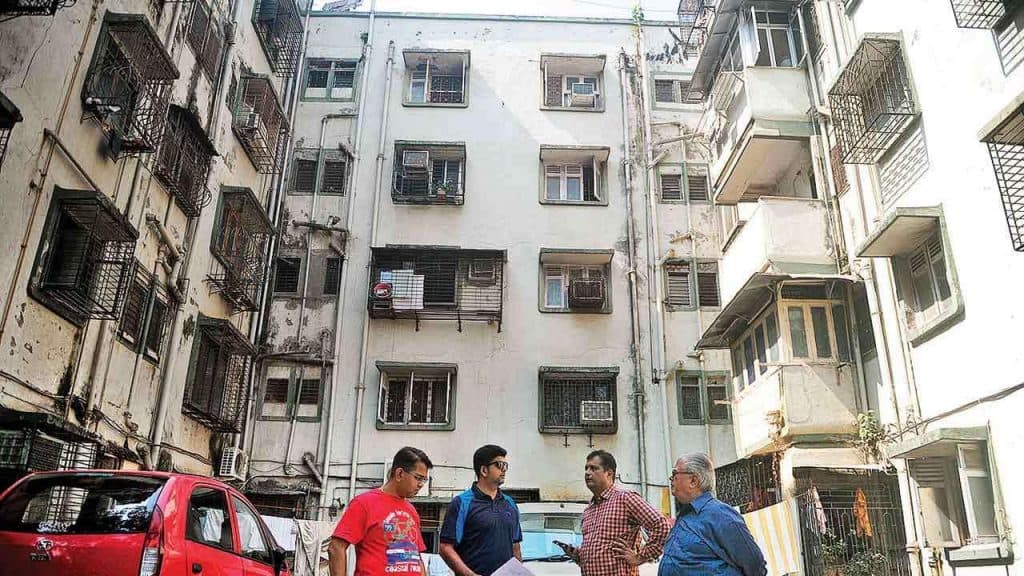
Most housing societies do not struggle because committees lack commitment. They struggle because decisions are often taken only after a problem becomes impossible to ignore. A leaking terrace is repaired after repeated complaints, plumbing is replaced after frequent pipe bursts, and fire equipment is upgraded only after compliance notices arrive. This reactive approach has become common across housing societies in Mumbai and other Indian cities. While committees work sincerely with limited time and resources, long-term planning often takes a back seat to day-to-day operations. The result is simple. Problems that could have been managed early become expensive emergencies. The difference between a well-managed housing society and a constantly stressed one is not the number of problems it faces, but how early it responds to them.
Why do housing societies react instead of planning ahead?
Housing societies often react instead of planning because committees focus on immediate operational issues rather than long term asset management. As a result, repairs become more expensive, infrastructure deteriorates faster, and financial pressure continues to grow.
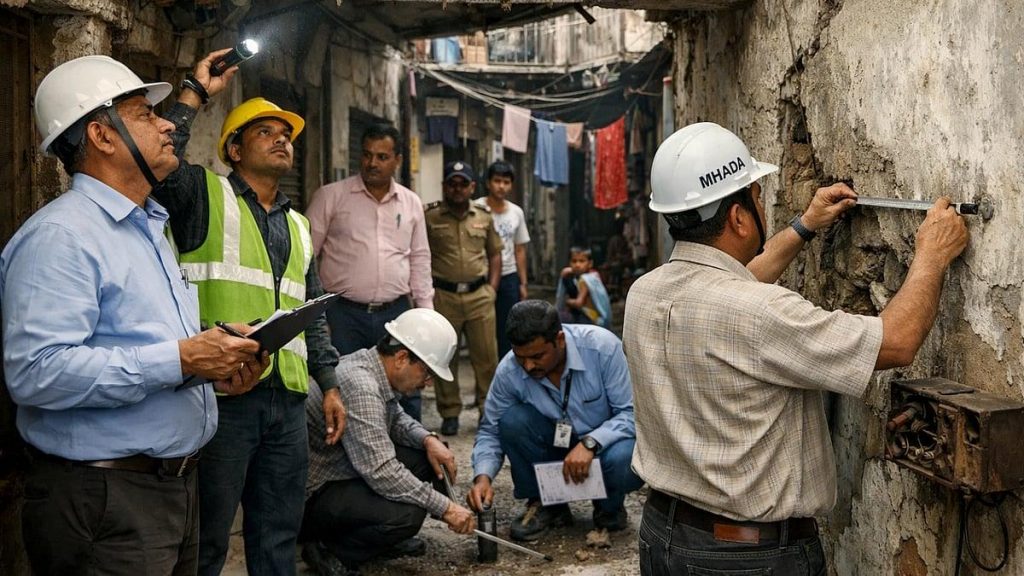
Very few building problems appear overnight. Damp patches, recurring plumbing leaks, minor cracks, and electrical faults usually provide early warning signs long before they become serious. Unfortunately, these signs are often treated as isolated maintenance issues instead of indicators of a larger problem. Committees continue approving temporary repairs without investigating the root cause. Before approving another repair, committees should ask a simple question: Are we solving the visible symptom, or have we identified the actual cause? A timely inspection by the right professional can often prevent repeated spending on the same issue.
2. Annual Thinking Replaces Long Term Planning
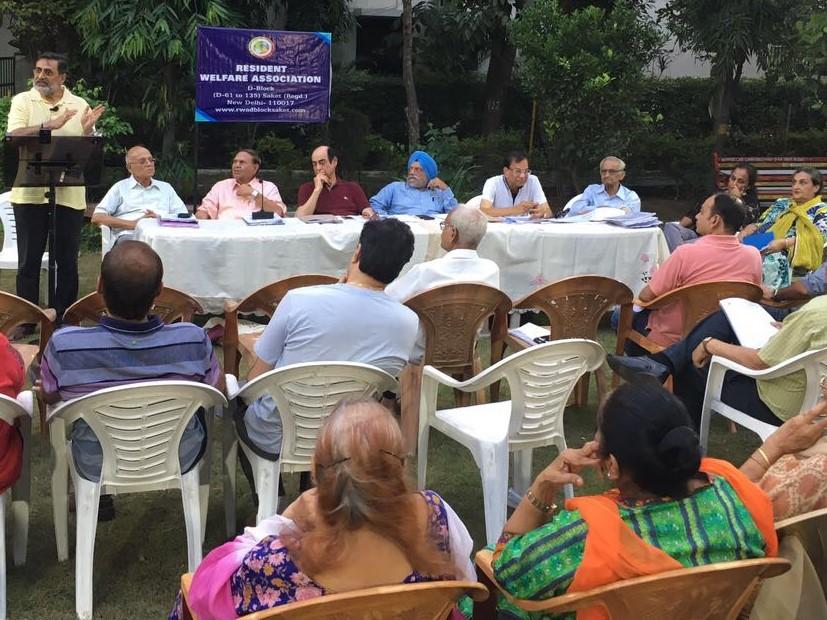
Managing Committees change every few years, but buildings continue ageing for decades. This naturally shifts attention towards current issues instead of future infrastructure needs. Budgets are prepared for the present year, while major capital works are postponed because they do not appear urgent. Meanwhile, lifts continue ageing, waterproofing deteriorates, plumbing systems weaken, and electrical infrastructure approaches the end of their useful life. Every committee should periodically ask: Do we have a five to ten year maintenance plan? Have we identified the next major repairs before they become emergencies? Housing societies that plan ahead are better able to spread costs gradually instead of imposing sudden financial burdens on members.
3. Delaying Decisions Always Makes Them More Expensive
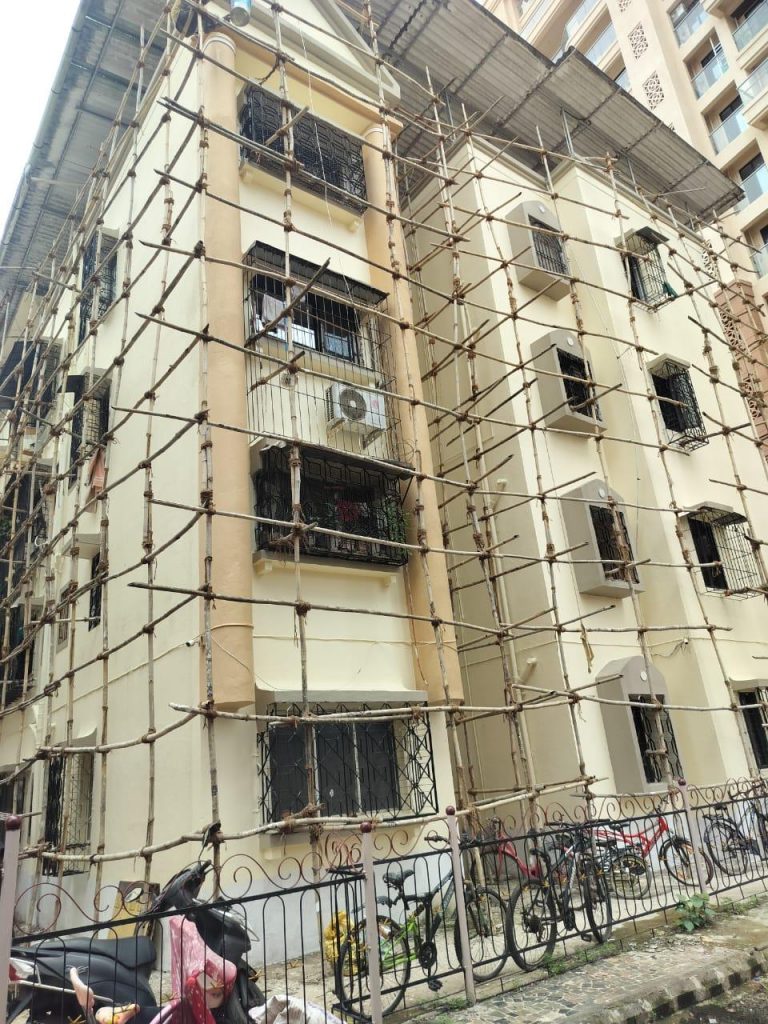
Many committees believe postponing a project saves money. In reality, delay usually increases the final cost. A small waterproofing issue can lead to internal damage across multiple flats. A neglected plumbing leak may eventually require complete pipeline replacement. Inflation further increases material, labour, and compliance costs every year. Before deciding to postpone any major work, committees should ask: What will this project cost if we delay it by one or two years? In many cases, the additional repair costs and inflation far exceed the perceived savings from waiting.
4. Better Planning Creates Better Governance
Well managed housing societies do not wait for crises before taking action. They regularly inspect building assets, maintain updated records, review future liabilities, and prioritise preventive maintenance. Planning also improves decision making. When committees have access to maintenance records, technical reports, and realistic cost estimates, discussions become quicker, more objective, and easier to justify before members. Good governance is not about predicting every future problem. It is about reducing uncertainty before problems become emergencies. Maintaining proper documentation also ensures future committees understand why important decisions were taken instead of starting from scratch.
5. Prevention Costs Less Than Reaction
The most financially resilient housing societies are not necessarily those with the highest maintenance collections. They are the ones that invest in preventive maintenance before failures occur. Periodic inspections, asset registers, condition assessments, long term budgeting, and adequate reserve planning help societies avoid emergency repairs, reduce special levies, and extend the life of important infrastructure. Before approving any major project, committees should consider a few practical questions. Has the asset been professionally inspected? Are reserve or sinking funds adequate? Have current costs been compared with the likely cost of delaying the work? Is the decision properly documented for future committees? These simple questions often lead to better decisions and stronger governance. Whether the project involves waterproofing, plumbing, fire safety, solar installation, or redevelopment, early planning almost always delivers better financial outcomes than emergency execution.
Conclusion
Housing societies do not become financially stressed simply because buildings grow older. They become financially stressed when planning fails to keep pace with ageing infrastructure. Reacting to emergencies may solve today’s problem, but it rarely prevents tomorrow’s. Every delayed decision increases future costs and reduces available options. The most successful housing societies are those that identify risks early, plan systematically, and act before problems become crises. Asking the right questions at the right time is often the difference between preventive maintenance and expensive emergency repairs. As maintenance costs continue to rise, proactive planning is no longer a choice. It is one of the most important responsibilities of every Managing Committee.