Redevelopment Is More Than a Project: It Is a Governance Journey
Published: 23rd Oct 2026•By BlockPilot
Preparation for Redevelopment and documentation
Redevelopment is often viewed primarily as a construction project. For a housing society, however, it is much more than construction. It is a long-term governance journey involving members, Managing Committees, consultants, architects, legal professionals, developers, authorities, and future committees. Learn why successful redevelopment depends not only on selecting the right developer, but also on preparation, transparent decision-making, documentation, communication, monitoring, and continuity.
Why is redevelopment more than a construction project?
Redevelopment affects the future of an entire housing society. It involves financial decisions, technical evaluations, legal documentation, member expectations, developer selection, approvals, construction, and eventually handover. Because the process can continue for several years, strong governance is required at every stage. For many societies, redevelopment begins with a simple question: Should we redevelop? Soon, that question leads to many others. What is the building’s current condition? What are the redevelopment options? What can members expect? Which consultant should be appointed? How should developers be compared? What commercial terms are reasonable? How will progress be monitored? How will decisions be documented for future committees? These decisions cannot be treated as isolated project activities. Each decision influences the next stage. Redevelopment therefore succeeds not simply because construction is completed, but because the society manages the entire journey with clarity, discipline, transparency, and continuity.
1. Redevelopment Begins With Preparation, Not Developer Selection
Many societies begin redevelopment discussions by focusing immediately on developers and their offers. However, the first step should be understanding the society itself. Member records, share certificates, conveyance documents, sanctioned plans, occupation certificates, building information, financial records, structural condition, previous repairs, and other important documents should be reviewed and organised before major decisions are taken. Without accurate information, committees may enter negotiations without knowing their actual position. Good governance begins with preparation. The better the society understands its records, building, members, financial position, and requirements, the stronger its position during the redevelopment process.
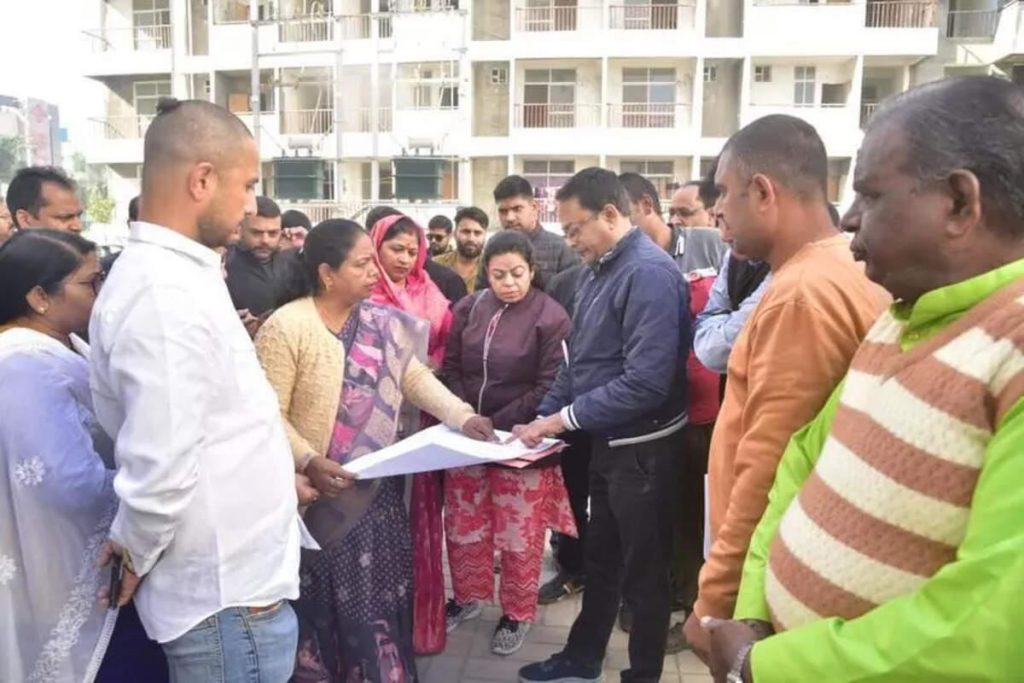
Redevelopment involves several decisions that can significantly affect members. Consultant appointments, developer shortlisting, commercial comparisons, technical proposals, legal terms, and project conditions must therefore be evaluated through a transparent process. Collecting multiple proposals is not enough. Proposals need to be compared on a common basis. A developer offering better financial terms may have different timelines, specifications, guarantees, or project conditions. Similarly, a consultant’s fee alone may not indicate the quality or scope of services. The objective should not be to find simply the highest offer or the lowest quotation. It should be to understand the complete proposal and make a decision that can be explained and justified to members.
3. Member Communication Is Part of Governance
Redevelopment creates uncertainty because members are naturally concerned about their homes, timelines, financial implications, temporary accommodation, specifications, and future commitments. When communication is irregular, assumptions quickly replace information. Members may hear different versions of the same development from different people. A delay may be interpreted as a problem with the developer. A technical change may create unnecessary concern. An incomplete update may lead to rumours and disagreement. Regular and structured communication helps maintain confidence. Important decisions, project milestones, changes, approvals, consultant reports, and significant developments should be properly documented and communicated through appropriate channels. Transparency does not mean communicating everything informally. It means ensuring that members have access to reliable information when important decisions are being made.
4. Committee Changes Should Not Reset the Redevelopment Journey
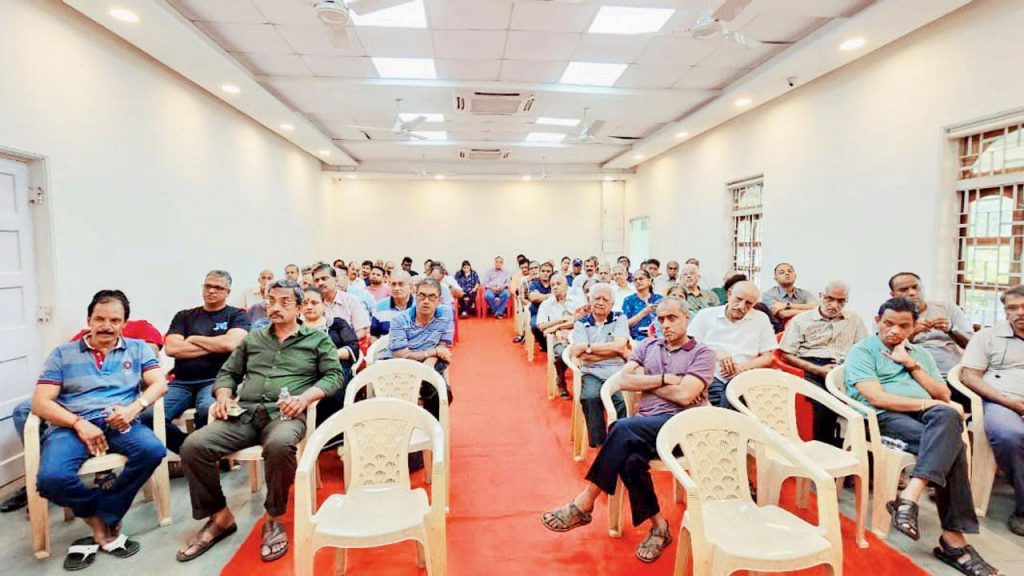
Redevelopment can continue through multiple Managing Committees. This creates one of the most important governance challenges. A new committee should not have to reconstruct years of decisions from emails, WhatsApp messages, paper files, or conversations with former members. The society should maintain a central record of the redevelopment journey, including meeting decisions, consultant appointments, developer proposals, comparative evaluations, legal opinions, technical reports, member communications, approvals, agreements, timelines, and project milestones. Institutional memory is essential. The building may remain the same, but the people managing it will change. Good governance ensures that knowledge remains with the society rather than with individual committee members.
5. Developer Selection Is Only One Stage of Redevelopment
Selecting a developer is an important milestone, but it is not the end of the process. After selection, the society still needs to monitor agreements, approvals, timelines, financial commitments, construction progress, quality, communication, and compliance with agreed conditions. A developer may be responsible for construction, but the society must continue to govern its own interests. This requires defined responsibilities, regular reviews, documented decisions, and clear escalation processes when commitments are delayed or conditions change. The role of the Managing Committee therefore does not disappear after the developer is appointed. It changes from selection and evaluation to monitoring and governance.
6. Documentation Protects the Society Throughout the Journey
Redevelopment generates a large volume of information. Every major decision should leave a clear record. Meeting minutes, approvals, consultant reports, comparative statements, legal opinions, technical assessments, developer correspondence, agreements, payment records, project updates, and important communications should be maintained systematically. Documentation is not simply an administrative task. It creates accountability and protects institutional knowledge. Years later, a future committee should be able to understand why a particular decision was taken, what information was considered, what commitments were made, and what remains pending. A redevelopment process without proper documentation becomes increasingly dependent on memory. That creates unnecessary risk.
7. Governance Continues Until Handover and Beyond
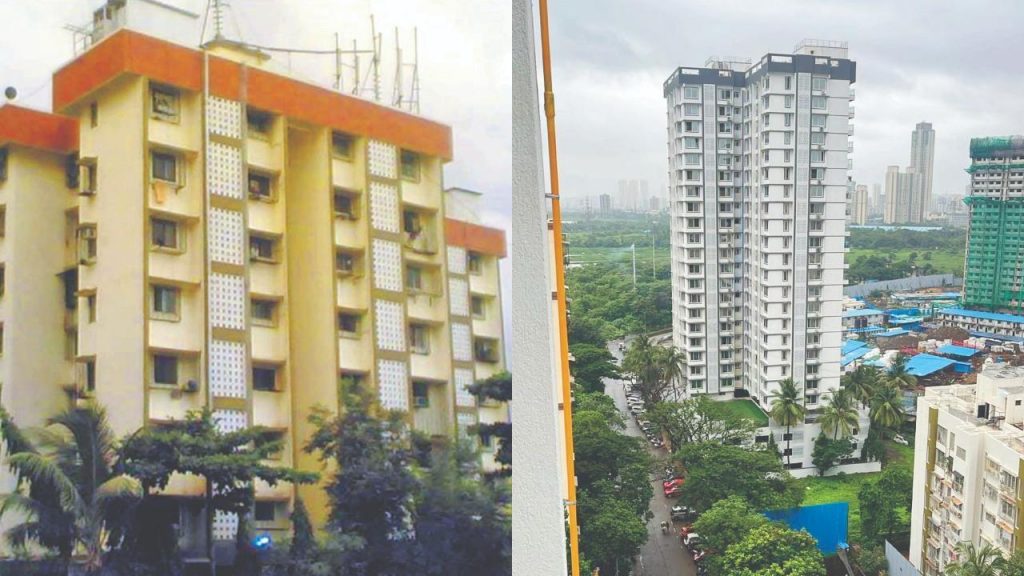
The redevelopment journey does not end when construction is substantially completed. The society still needs to consider inspections, snagging, documentation, statutory requirements, handover of common areas, warranties, maintenance responsibilities, equipment records, as-built information, and transition into the new building. A successful handover should not simply mean receiving possession. The society should receive the information and documentation required to manage the building effectively for the years ahead. The final stage of redevelopment therefore connects directly to the society’s future maintenance and governance.
Conclusion
Redevelopment is often described as a construction project because the most visible outcome is a new building. But for a housing society, the real process begins much earlier and continues long after construction starts. It involves preparing information, understanding member requirements, appointing the right professionals, evaluating developers, making transparent decisions, communicating consistently, maintaining records, monitoring commitments, and ensuring continuity across committees. The strongest redevelopment outcomes are not necessarily those with the most attractive proposal on paper. They are the ones where the society maintains control over its decision-making process throughout the journey. A developer builds the building. Consultants provide expertise. Contractors execute the work. But governance keeps the society’s interests protected throughout the process. Redevelopment is more than a project. It is a governance journey that can shape the society for generations. #HousingSocietyManagement #Redevelopment #SocietyGovernance #HousingSocieties #CommitteeManagement #BlockPilot