Why Fire Drills Matter Beyond Fire Safety Compliance
Published: 12th Nov 2026•By BlockPilot
Co-Op Housing Insights
A housing society may have valid fire safety certificates, serviced equipment, clear evacuation routes, and completed fire audits. Yet none of these can guarantee that residents and staff will respond correctly during an actual emergency. Fire drills test the gap between having fire safety systems and knowing how to use them when every second matters.
Why do fire drills matter if a housing society is already fire compliant?
Fire drills matter because compliance confirms that required systems, equipment, and procedures are in place, while a drill tests whether people can actually respond to an emergency. It helps identify confusion, delayed response, blocked routes, communication gaps, and other practical problems that documents and inspections may not reveal. Fire safety in a housing society is often measured through equipment, maintenance records, audits, certificates, and statutory requirements. These are essential, but they represent only one part of preparedness. During a real fire, residents do not respond to certificates or inspection reports. They respond to alarms, instructions, evacuation routes, emergency lighting, security staff, and the information available to them at that moment. A society can therefore be fully compliant on paper and still be operationally unprepared. A fire drill provides an opportunity to test the human and operational side of fire safety before an actual emergency exposes weaknesses.
1. Compliance Does Not Guarantee an Effective Emergency Response
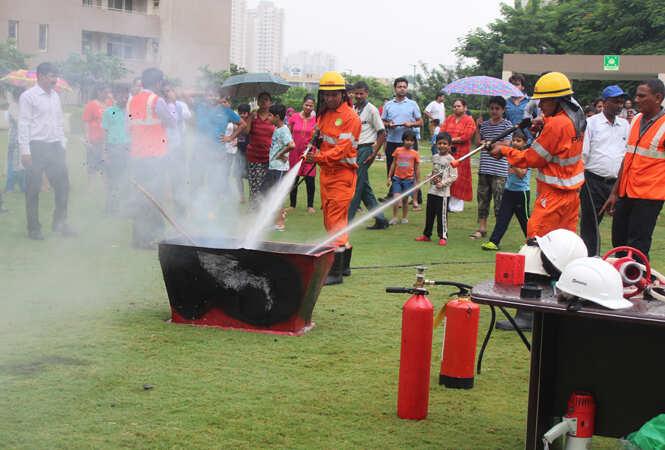
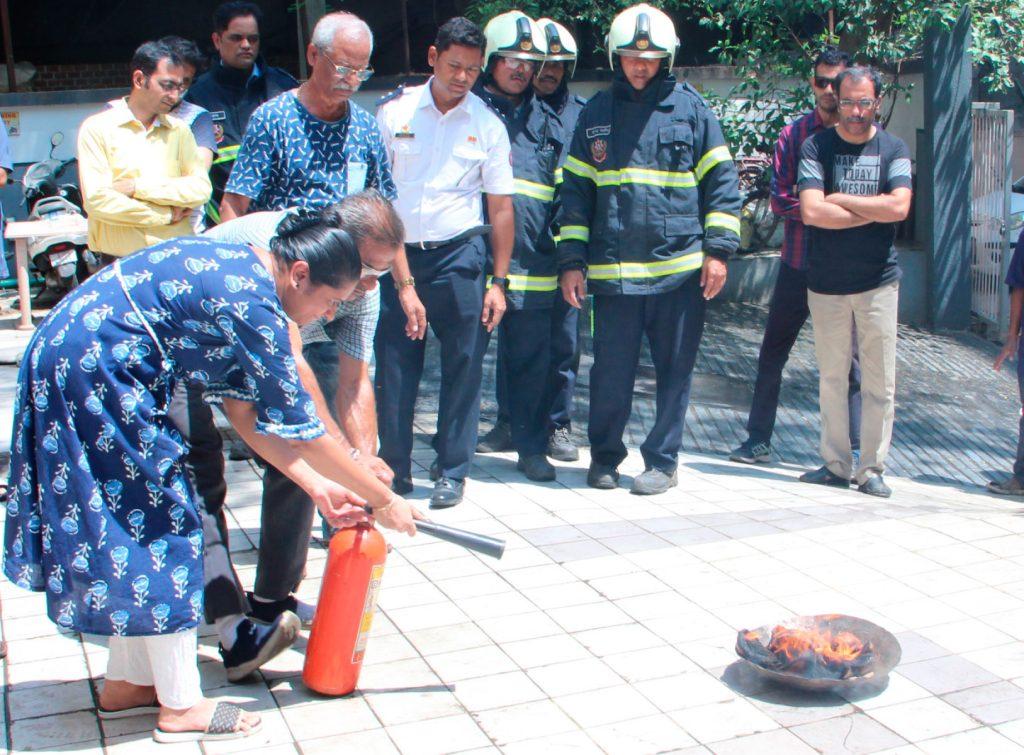
A society may have fire extinguishers, functioning alarms, fire pumps, hydrants, emergency exits, and the required documentation. But the presence of these systems does not automatically mean that everyone knows what to do when an alarm sounds. Residents may not know which staircase to use. Security staff may be unsure whom to contact first. New residents may not know the designated assembly area. Some people may attempt to use lifts despite an emergency, while others may return to their flats to collect belongings. These situations are difficult to identify through a routine inspection because the systems may function perfectly when tested individually. A fire drill tests how the different parts of the emergency response work together.
2. Fire Drills Reveal Problems That Audits May Miss
A fire audit primarily examines the condition, availability, and compliance of fire safety systems. A drill examines what happens when people are required to use those systems and follow the emergency procedure. For example, an audit may confirm that emergency exits exist. A drill may reveal that residents do not know where those exits are. An alarm may be operational, but residents may not recognise what the alarm means. Emergency contact numbers may be displayed, but staff may not know who is responsible for making the call. Similarly, a fire staircase may be technically accessible but become difficult to use because residents gather at the entrance, doors are difficult to operate, or people are unfamiliar with the evacuation route. These practical gaps are precisely why drills are valuable. They turn written procedures into something that can be observed, evaluated, and improved.
3. Staff Readiness Can Make a Significant Difference
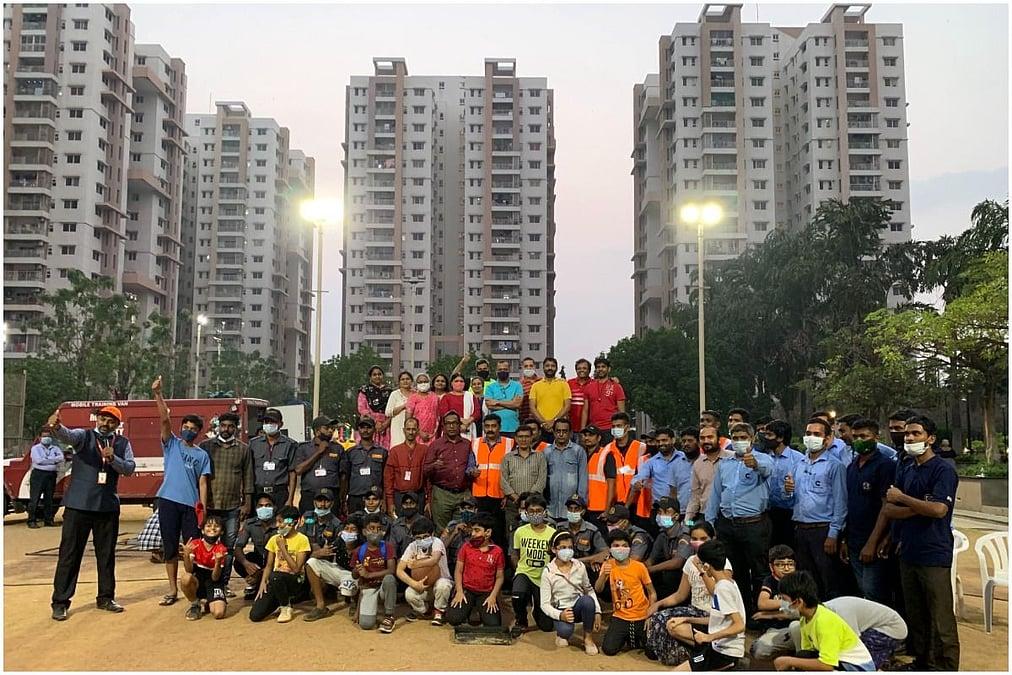
Security guards, housekeeping staff, maintenance personnel, facility managers, and other on-site workers are often among the first people available when an emergency begins. Their response can influence how quickly an incident is communicated and how residents are guided towards safety. A fire drill allows the society to determine whether staff understand their responsibilities. Does security know how to raise the alarm? Can staff guide residents towards the correct exits? Are emergency numbers easily accessible? Does someone know how to coordinate with the fire service? Can the designated assembly area be managed effectively? Staff responsibilities should not exist only in a written emergency plan. They should be understood and practised.
4. Residents Also Need to Know What to Do
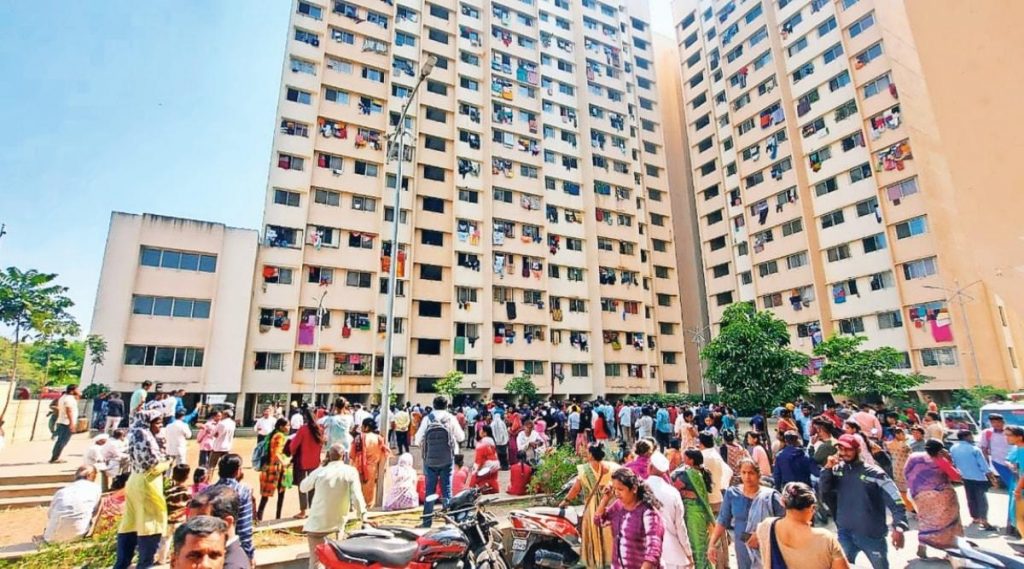
Fire safety cannot depend entirely on the Managing Committee, security team, or facility staff. Residents are an important part of the emergency response. People may react differently during a real emergency. Some may panic, some may wait for instructions, and others may attempt to investigate the source of the fire themselves. Elderly residents, children, persons with disabilities, and residents living alone may require additional consideration during emergency planning. A drill helps residents become familiar with evacuation routes and emergency procedures. It also gives the society an opportunity to identify areas where additional communication or assistance may be required. The purpose is not to create fear. It is to replace uncertainty with familiarity.
5. A Fire Drill Should Be Treated as a Readiness Test
A poorly planned drill can become a formality where everyone simply gathers outside and returns to their homes. A useful drill should instead help the society understand how its emergency response performs in practice.
After a drill, the committee should review questions such as:
How quickly was the alarm activated?
Did residents understand what the alarm meant?
Were evacuation routes completely clear?
Did residents use the designated staircases correctly?
Did security and maintenance staff follow their assigned responsibilities?
Were emergency contact numbers readily available?
Was the assembly area suitable and manageable?
Were elderly residents or others requiring assistance adequately considered?
Were there delays, confusion, or communication gaps?
What improvements should be completed before the next drill?
The objective is not to achieve a perfect drill. The objective is to identify weaknesses while there is still time to correct them.
6. Fire Drill Records Should Become Part of Society Documentation
Just as societies maintain records of fire equipment servicing and audit reports, they should also maintain a basic history of fire drills and the improvements identified from them. The date of the drill, participation, observations, identified gaps, corrective actions, and follow-up status should be documented. If a recurring problem appears during multiple drills, it should receive greater attention rather than being treated as an isolated observation. This documentation also helps future Managing Committees understand the society’s fire safety preparedness and the improvements that have already been made.
7. Fire Readiness Is an Ongoing Governance Responsibility
Fire safety should not become active only when an audit is due. It requires continuous attention from the Managing Committee, facility management team, vendors, staff, and residents. Before considering a society genuinely fire-ready, the committee should ask whether its people are prepared as well as its equipment. Are staff trained? Do residents know the evacuation routes? Are emergency procedures understood? Have practical drills been conducted? Were previous drill observations addressed? A society that regularly tests its emergency response is better positioned to identify weaknesses before they become dangerous.
Conclusion
A fire safety certificate can confirm compliance. A fire audit can identify deficiencies. Maintenance records can demonstrate that equipment has been serviced. But a fire drill answers a different and equally important question: Can the people in the building actually respond when an emergency happens? Fire readiness is not achieved simply by installing equipment or completing documentation. It is built through regular testing, practical training, clear responsibilities, and continuous improvement. A society should never wait for a real emergency to discover whether its fire safety plan works.
Compliance proves that systems exist. A fire drill proves whether the society is ready to use them.