The Illusion of Safety in a Housing Society: Why Governance Matters
Published: 19th May 2026•By BlockPilot
Co-Op Housing Insights
In many housing societies, safety is often measured through visible arrangements. Security guards are deployed, gates are monitored, visitor registers are maintained, and CCTV cameras are installed. Committees assume these measures are enough to keep the premises secure. Yet when incidents occur, societies often struggle to identify what failed. The issue is rarely manpower. More often, the gap lies in systems, documentation, and governance.
Are Security Guards Alone Enough for Housing Society Security?
No. Security guards provide basic monitoring, but without structured documents, visitor management systems, vendor verification processes, and defined security protocols, societies do not achieve real control.
1. The Illusion of Security at the Society Gate
Most housing societies treat gate monitoring as the primary layer of security. If guards are present and entries are recorded, committees assume risks are controlled. However, manual registers are rarely reviewed, visitor trends are not monitored, and approvals often remain informal. This creates visible security, but not reliable security. In one housing society, repeated visitor entries were recorded daily, yet nobody reviewed the logs. The concern surfaced only after a complaint. Housing society security cannot rely only on recording entries. It must include verification, monitoring, and review.
A visitor management system is one of the most important elements of housing society governance, yet many societies continue to rely on outdated methods. Registers exist, but they remain disconnected from approvals, alerts, and accountability mechanisms. Documents related to visitor movement, vendor entries, and staff access are often scattered or outdated. These gaps affect governance and contribute to audit concerns and operational issues. A structured visitor management system ensures records remain accurate, accessible, and linked with decision making.
3. Vendor Verification and Redevelopment Risks
Vendor verification remains one of the most overlooked areas in housing society security. Contractors, delivery personnel, technicians, and service providers move in and out daily. Without proper verification systems, societies operate with limited control.The risk increases further during redevelopment due to higher movement of labour, materials, and contractors. Without proper records and approvals, redevelopment security risks become difficult to manage. Proper documentation and vendor verification become essential for both security and compliance.
4. Weak Governance Leads to Security and Audit Issues
Most housing society security failures originate from governance gaps. Security guards work at the execution level, but systems are defined by committees. When governance is weak, documents remain incomplete, approvals become inconsistent, and accountability reduces. These issues often extend beyond security and affect financial controls as well. Societies facing audit issues and accounting mistakes frequently show similar documentation weaknesses across operational systems. Security and accounting are connected through governance.
5. Overdependence on Individuals Instead of Systems
Many housing societies depend heavily on individuals. Guards are expected to manage visitors, identify risks, and control vendors independently, while committees rely on specific members for records and documentation. When individuals change, systems weaken. Staff turnover further increases this risk. Structured processes ensure continuity regardless of personnel changes and help maintain long-term security standards.
6. Technology Alone Does Not Solve Security Risks
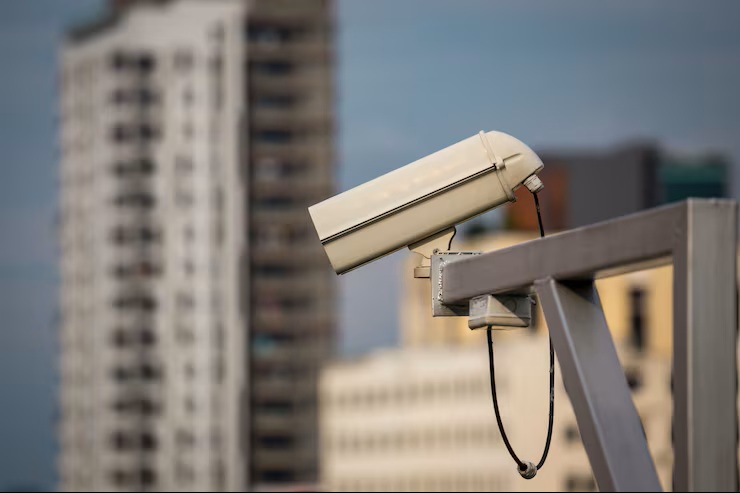
Many societies invest in CCTV systems and access controls, expecting technology to solve security challenges. However, footage often remains unreviewed, alerts are ignored, and data is rarely analyszed. Technology without governance delivers limited results. Effective security requires documentation, review mechanisms, and defined checklists along with technology.
7. Moving Towards a Structured Security System
A strong housing society security framework combines visitor management systems, vendor verification processes, security checklists, proper documentation practices, and governance-based monitoring. Societies adopting structured systems move from reactive problem-solving to proactive control. They become better prepared for audits, redevelopment, and operational challenges.
Conclusion
Safety in a housing society is not defined by the number of guards deployed. It is defined by the strength of systems, documentation, and governance. Most societies do not struggle because of lack of effort. They struggle because of lack of structure. Without proper visitor management, vendor verification, and governance systems, security gaps continue to repeat. The solution is not increasing manpower. The solution is building systems that make housing society security accountable, consistent, and reliable.