Why Housing Societies Need a Solar Feasibility Study Before Installation
Published: 16th Jul 2026•By BlockPilot
Appointment of Professionals
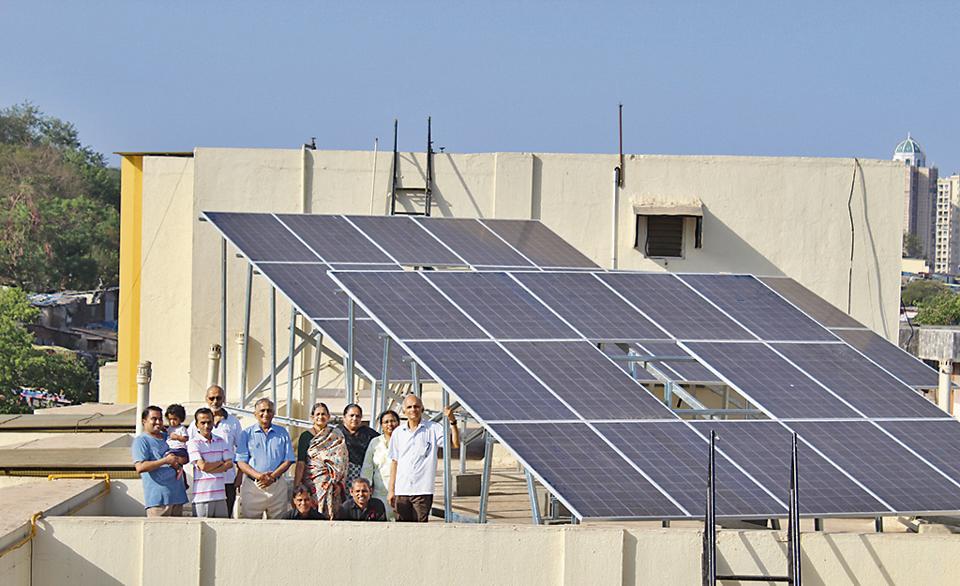
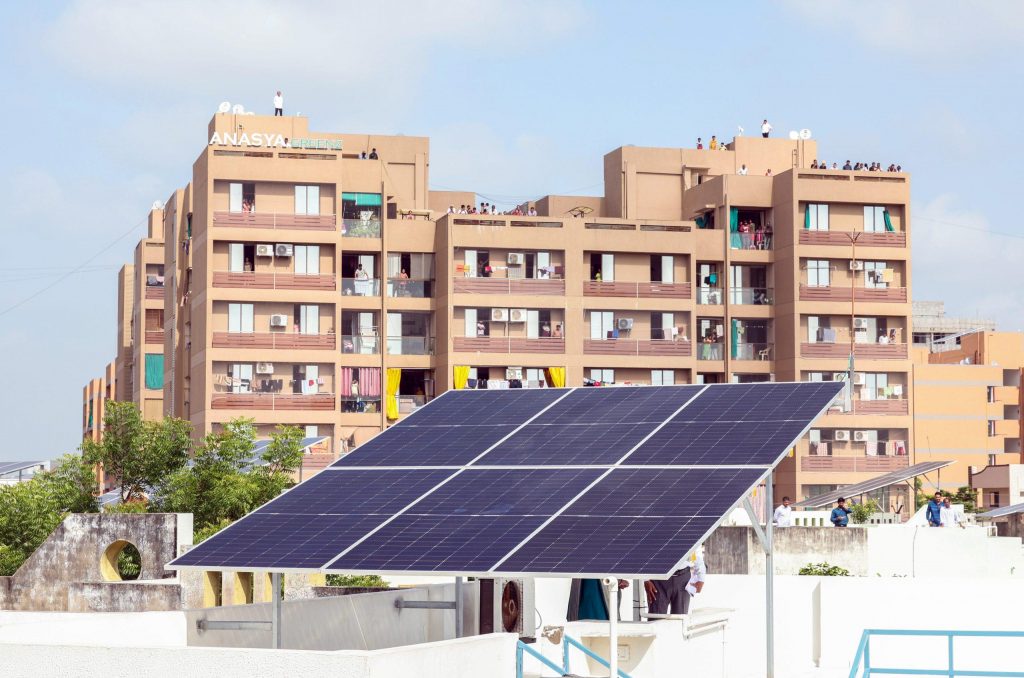
Many housing society committees are exploring rooftop solar to reduce electricity costs and improve sustainability. However, many societies move directly into vendor discussions and quotations without understanding whether the building is technically and financially ready. In several cases, installations begin before structural conditions, energy demand, or future redevelopment plans are properly assessed. Solar can become a valuable asset for a housing society, but only when the decision starts with feasibility and not equipment selection.
Question: Why should a housing society conduct a solar feasibility study before installation?
Answer: A solar feasibility study helps a housing society assess rooftop suitability, structural capacity, energy demand, future redevelopment impact, and financial viability before investing in a solar system.
1. A Solar Project Starts With Assessment, Not Panels
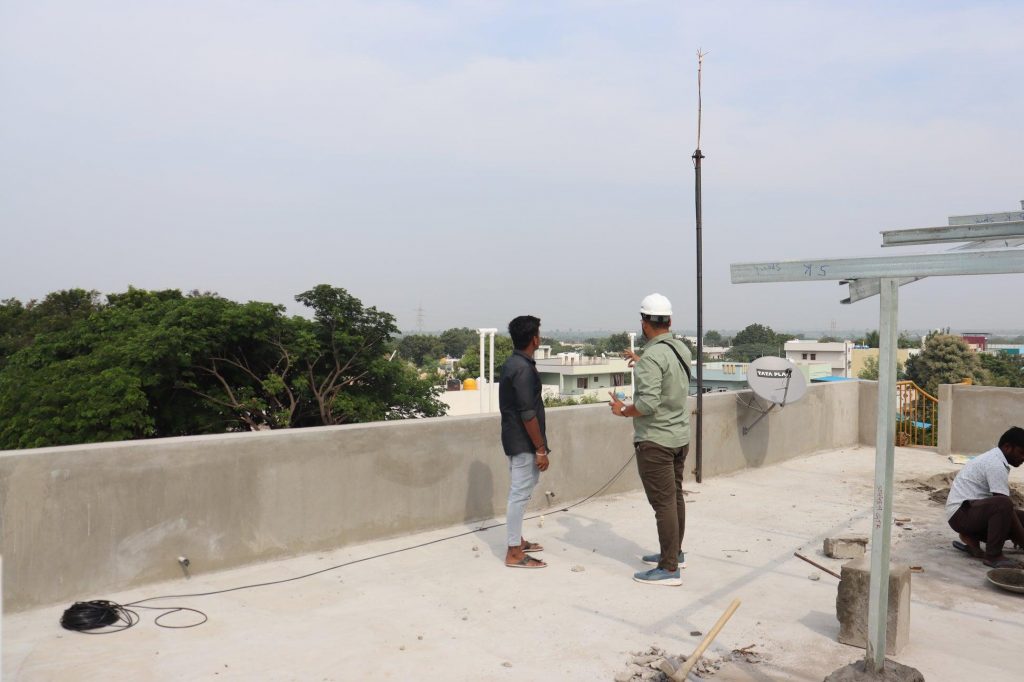
Many housing society committees assume that an empty rooftop automatically means solar installation is possible. In reality, rooftop availability is only one part of the decision. A proper feasibility study evaluates rooftop condition, structural load capacity, shadow analysis, energy consumption patterns, common area requirements, and installation limitations. For example, some older buildings in Mumbai have large terraces but ageing waterproofing systems, water tank layouts, or ongoing redevelopment discussions. Installing solar without evaluating these factors can create future complications. Strong governance requires decisions based on planning and data. Just as committees maintain documents to prevent housing society accounting mistakes and reduce society audit issues, infrastructure investments also need structured evaluation. A feasibility study converts assumptions into measurable insights. Without it, even good projects may face execution gaps, cost overruns, or operational limitations.
One of the biggest mistakes in solar planning is focusing only on panel capacity while ignoring actual electricity consumption patterns. Every housing society has different common area loads. Some societies operate multiple lifts, clubhouses, gyms, pumps, sewage treatment systems, and extensive lighting networks, while others have limited shared infrastructure. A solar feasibility study analyses monthly energy consumption and determines whether rooftop generation can meaningfully offset costs. This prevents overdesigning or underutilising systems. Many societies carefully review financial documents because housing society accounting mistakes and accounting errors in housing societies India create long-term challenges. Energy planning deserves the same discipline. Installing an oversized system may increase capital expenditure without expected returns, while an undersized system may fail to generate meaningful savings. Solar success depends less on equipment size and more on planning accuracy.
3. Structural Safety and Redevelopment Planning Cannot Be Ignored
Structural readiness is one of the most overlooked parts of rooftop solar planning. Older buildings, especially those approaching repairs or redevelopment discussions, require careful evaluation before adding rooftop loads. Waterproofing conditions, slab health, equipment placement, wind exposure, and access requirements all influence project viability. Many housing society committees face challenges because infrastructure projects move faster than technical reviews. Similar issues are seen in society audit issues where missing documents or unstructured decisions create future complications. If redevelopment discussions are already underway, solar investments must align with long-term plans. A system installed today should not become a stranded asset tomorrow. Good governance means connecting present investments with future building strategy. Solar planning cannot work separately from redevelopment planning. Feasibility studies create this alignment before financial commitments begin.
4. Vendor Selection Should Come After Feasibility, Not Before
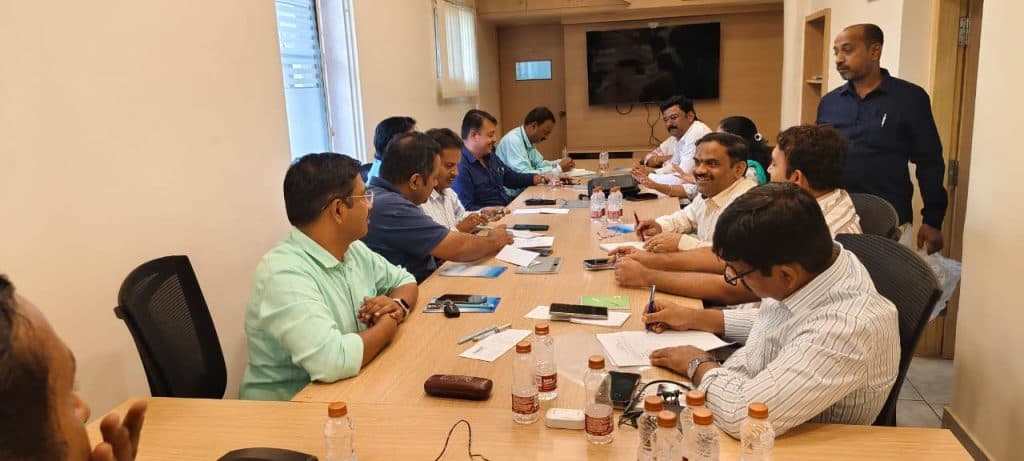
A common on-ground issue is that societies invite vendors first and evaluate later. This often results in proposals driven by product capacity rather than actual building needs. A solar feasibility study creates a technical baseline before vendor discussions begin. It defines energy requirements, rooftop limitations, structural considerations, expected generation, and project objectives. This improves vendor comparison and creates transparency during procurement. Housing society leaders already understand the importance of documentation because housing society accounting mistakes, how to avoid audit problems in societies, and governance gaps often originate from weak processes. Solar projects require similar discipline. When feasibility comes first, vendor discussions become structured, quotations become comparable, and decisions become evidence-based. This also reduces future disputes related to generation expectations, maintenance responsibilities, and performance outcomes.
5. Feasibility Studies Protect Investments and Improve Long-Term Value
Solar is not only an energy project. It is a long-term infrastructure investment. For a housing society, rooftop solar affects operating costs, maintenance planning, sustainability goals, and future asset value. Installation decisions must therefore be supported by feasibility, governance, and execution clarity. Many societies invest significant effort in maintaining documents, preventing accounting errors in housing societies India, strengthening governance, and understanding how to avoid audit problems in societies. Infrastructure decisions deserve the same structured approach. A solar feasibility study reduces uncertainty and improves decision confidence. The issue is rarely the lack of interest in solar adoption. The real challenge is skipping the planning stage. Housing societies do not struggle because they invest. They struggle when investments move ahead without structure, clarity, and technical control.
Solar panels generate energy. Feasibility studies generate confidence.