Financially Stable or Financially Exposed? The Hidden Reality of Housing Societies
Published: 18th Jul 2026•By BlockPilot
Co-Op Housing Insights
Many housing society committees believe financial stability means regular maintenance collections, healthy bank balances, and completed audits. While these are important indicators, they do not always reflect the true financial condition of a housing society. Many societies that appear financially stable are quietly carrying hidden financial exposure. Deferred maintenance, ageing infrastructure, weak reserves, incomplete documentation, and future redevelopment obligations often remain outside routine financial discussions. Financial stress usually becomes visible only when major repairs or capital expenses can no longer be postponed.
How can a housing society appear financially stable but still be financially exposed?
A housing society may have regular maintenance collections and healthy reserves but still carry hidden financial risks due to deferred maintenance, ageing assets, weak planning, redevelopment obligations, and governance gaps.
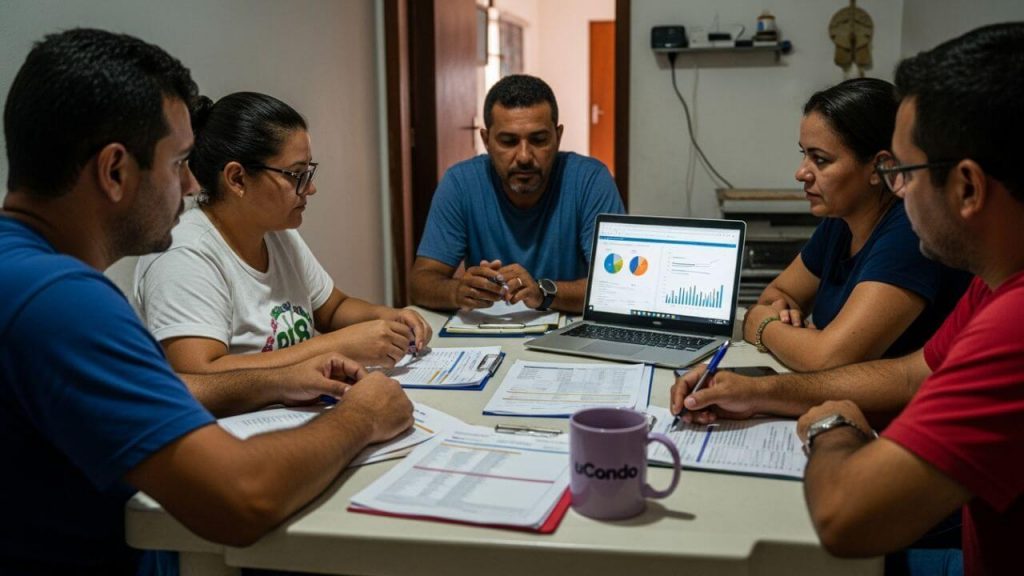
Many housing societies assume a healthy bank balance reflects strong financial health. In reality, financial stability depends on reserves, future liabilities, infrastructure condition, and preparedness for major expenses. A society may have good cash flow but still face ageing pipelines, waterproofing failures, lift modernisation, façade repairs, or redevelopment costs. Committees often focus on avoiding housing society accounting mistakes and reducing society audit issues, while infrastructure liabilities remain outside regular financial reviews. Financial strength is not current cash availability. It is readiness for future obligations.
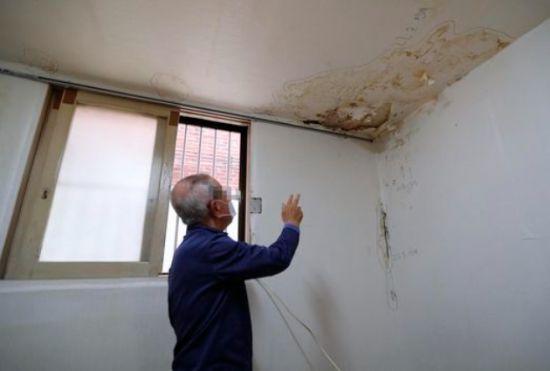
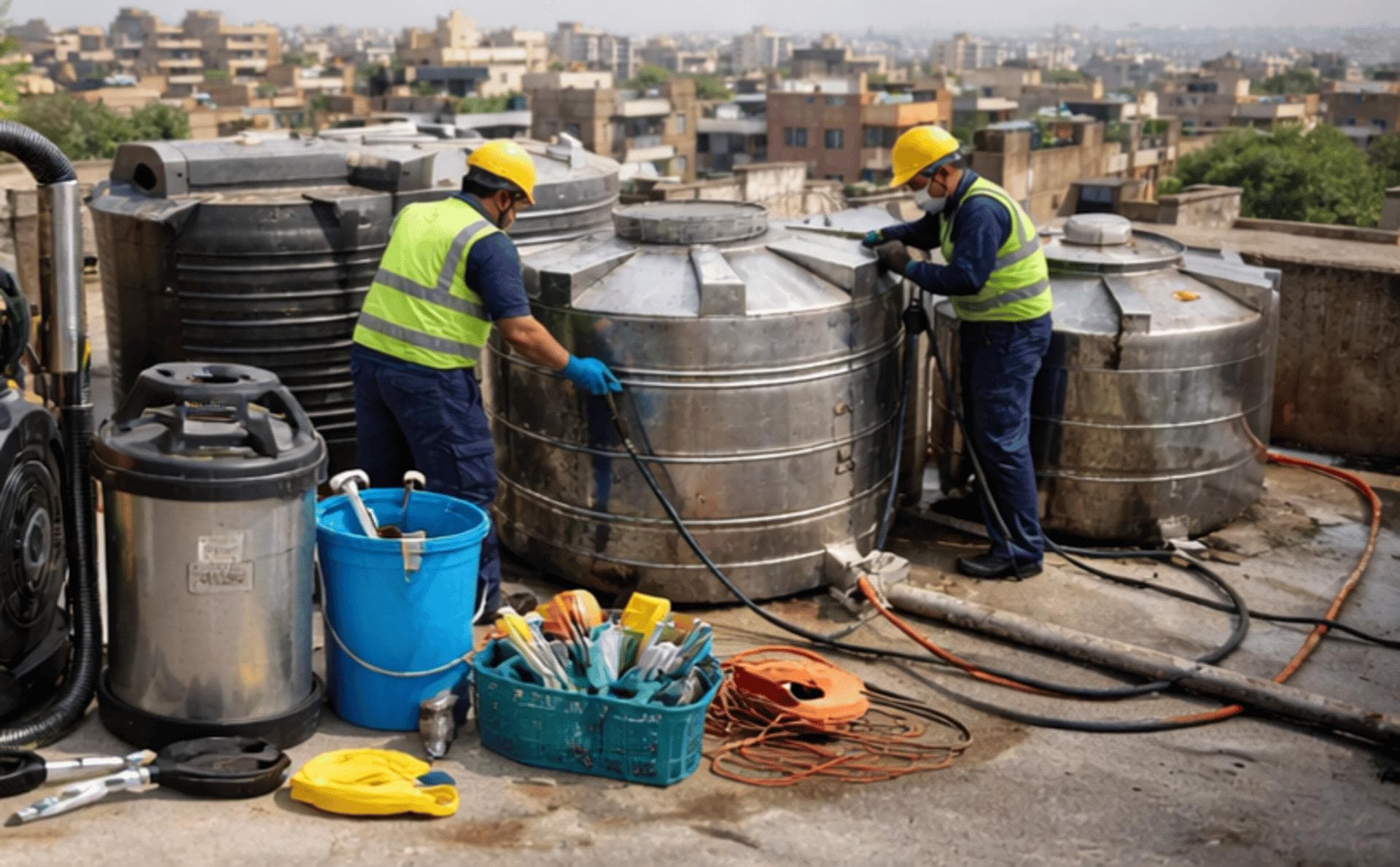
Deferred maintenance is one of the biggest hidden financial exposures in a housing society. Waterproofing delays become structural repairs. Plumbing issues become leakage networks. Electrical upgrades become emergency work. Many societies continue normal operations while infrastructure deterioration progresses silently. Committees review documents to avoid housing society accounting mistakes and accounting errors in housing societies in India, yet maintenance liabilities often stay outside financial discussions. Deferred maintenance behaves like hidden debt. The liability exists long before the expense appears.
3. Redevelopment Readiness Is Also Financial Readiness
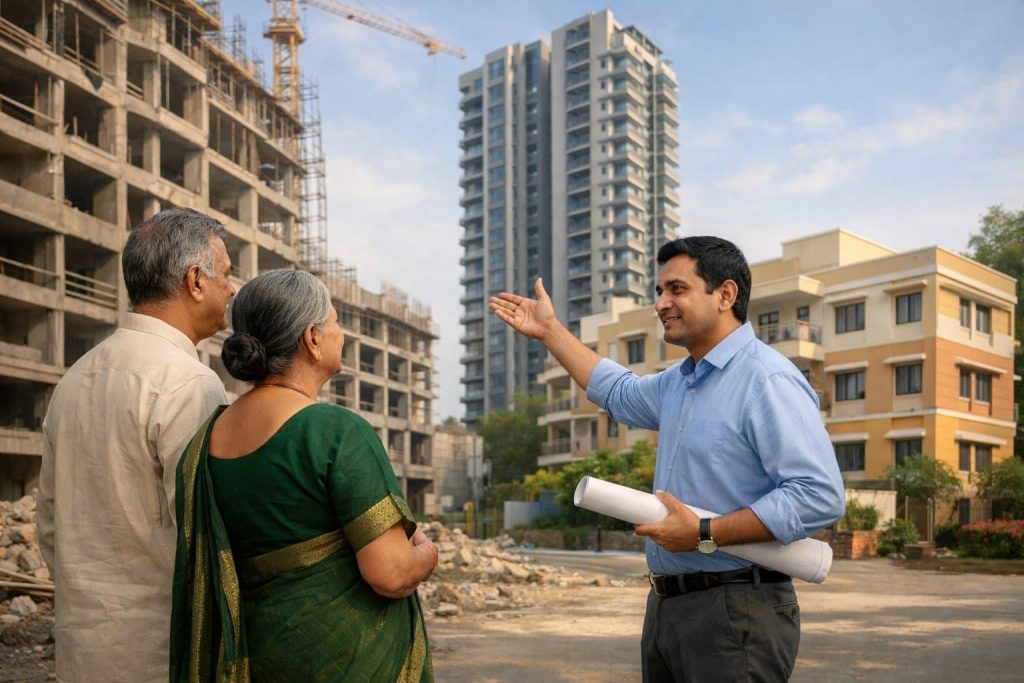
Ageing housing society buildings are increasingly entering redevelopment discussions. However, redevelopment readiness depends not only on technical conditions but also on financial preparedness. Reserve planning, pending repairs, infrastructure condition, vendor records, project history, and documentation all influence future decisions. The same committees reducing housing society accounting mistakes and address society audit issues must also evaluate future capital requirements. Ignored liabilities eventually become funding challenges.
4. Governance Gaps Become Financial Exposure
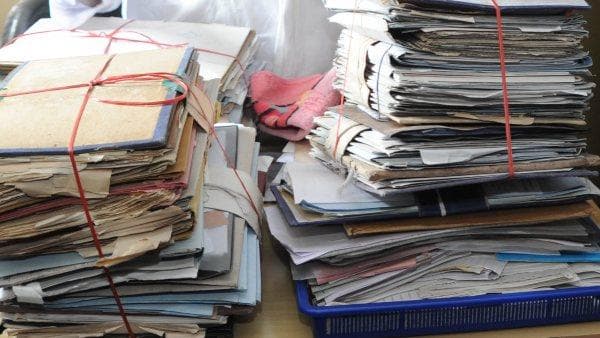
Financial exposure usually develops through small governance gaps over time. Irregular inspections, delayed decisions, incomplete records, missing asset registers, and reactive maintenance gradually increase risk. Many societies already understand how to avoid audit problems through better controls and documentation. Infrastructure and finance require the same discipline. Strong governance connects accounts, assets, maintenance planning, and future obligations into one framework. Buildings do not become financially exposed overnight. Risk accumulates gradually.
5. Financial Stability Requires Structure and Control
A housing society building is both a physical and financial asset. Protecting it requires more than collections and audits. Financial stability depends on reserve planning, asset monitoring, governance systems, infrastructure reviews, documentation, and future preparedness. Many societies invest effort in preventing accounting errors, strengthening governance, and improving audit readiness. Financial exposure assessment deserves equal attention. Housing societies rarely struggle because risks exist. They struggle because risks remain invisible. Financial stability is not the absence of problems. It is the presence of structure, clarity, and control.