Why Housing Societies Need a Centralised Data System
Published: 2nd Sep 2026•By BlockPilot
Co-Op Housing Insights
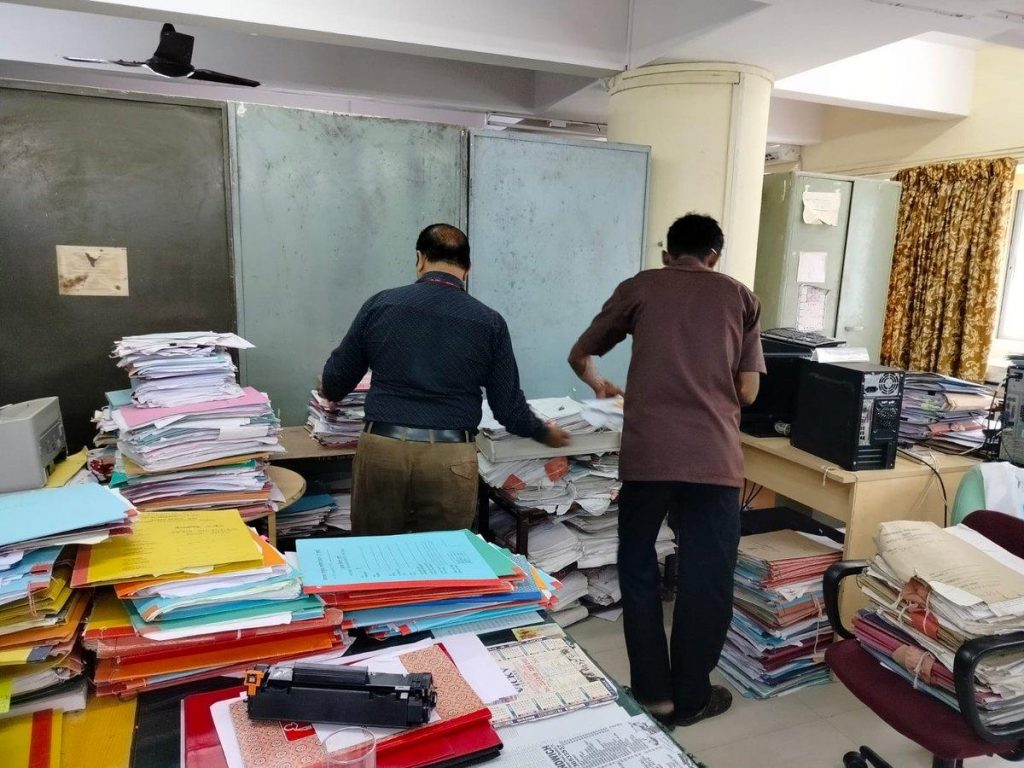
Housing societies generate enormous amounts of information every month. Maintenance bills, vendor quotations, complaint registers, audit reports, electricity bills, AGM minutes, contracts, statutory documents, insurance policies, structural reports, and redevelopment records all play an important role in managing a building. Yet in many societies, this information remains scattered across paper files, spreadsheets, email accounts, WhatsApp groups, and the personal laptops of committee members. When critical information is difficult to locate, decision-making becomes slower, governance becomes weaker, and every new committee spends valuable time searching for records instead of solving problems. A centralised data system is no longer a convenience. It is becoming an essential part of efficient housing society management.
Why do housing societies need a centralised data system?
Housing societies need a centralised data system because important financial, operational, technical, and statutory records are often stored across multiple locations. Bringing information together improves governance, speeds up decision-making, reduces dependency on individuals, and preserves valuable institutional knowledge.
1. Information Scattered Across Multiple Places Creates Risk
Every activity within a housing society generates important information. Financial records remain with the Treasurer, technical reports are stored in office cupboards, vendor quotations sit inside email folders, complaint registers are maintained separately, while previous committee decisions often remain buried inside AGM minutes or WhatsApp conversations. Although the information exists, it is rarely available when decisions need to be made.
Before making important decisions, committees should ask:
• Can we locate previous repair records quickly? • Do we have access to earlier vendor quotations? • Are statutory documents available in one place? • Can new committee members easily understand past decisions? • Is important information dependent on a single individual?
When information remains fragmented, societies lose valuable time searching for records instead of using them.
2. Better Data Creates Better Decisions
Housing societies rarely suffer because they lack information. The challenge is that information is rarely connected. Maintenance history, financial records, inspection reports, electricity consumption, vendor performance, and complaint trends often exist independently without supporting each other. For example, recurring plumbing repairs may indicate ageing pipelines rather than isolated leakages. Repeated lift expenses may suggest modernisation instead of continued repairs. Increasing electricity bills may highlight inefficient equipment rather than tariff increases alone. When information is organised within a centralised system, committees can identify trends, compare historical data, and make decisions based on evidence instead of assumptions.
3. Committee Changes Should Not Mean Information Loss
Managing Committees change every few years, but buildings continue operating for decades. Unfortunately, many societies unknowingly lose valuable knowledge whenever committee members complete their term. Vendor history, warranties, project files, structural reports, insurance documents, legal correspondence, maintenance records, and redevelopment discussions often remain with outgoing members. Incoming committees are forced to begin again, repeating discussions and recreating records that already exist. A centralised data system preserves institutional knowledge. Instead of depending on individuals, societies retain information that supports continuity, transparency, and faster decision-making across multiple committee terms.
4. Governance Improves When Information Is Accessible
Good governance depends on timely access to reliable information. When records are organised systematically, committee meetings become more productive because discussions are supported by facts rather than assumptions. A centralised system allows committees to review maintenance history, compare vendor performance, verify statutory compliance, monitor asset conditions, and evaluate financial commitments before approving major projects. This is particularly valuable during structural repairs, redevelopment, insurance claims, audits, preventive maintenance planning, and capital expenditure decisions, where historical documentation often influences current outcomes. Accessible information creates confident decisions.
The best-managed housing societies plan several years ahead rather than reacting only to immediate problems. Long-term planning becomes far more effective when reliable information is available in one place. Instead of collecting documents every time a major project begins, committees can immediately access structural reports, previous repair records, asset registers, contracts, warranties, financial history, and technical assessments.
Before Implementing a Centralised Data System, Ask These Five Questions
• Which society documents are currently stored in different locations? • Are important records available digitally as well as physically? • Can future committees easily retrieve historical information? • Who has authorised access to critical documents? • Is there a structured process for updating records after every major project?
A centralised data system does not simply improve record keeping. It improves planning, accountability, governance, and operational efficiency.
Conclusion
Housing societies rarely struggle because they generate too little information. They struggle because valuable information remains scattered across multiple locations and disconnected from everyday decision-making. A centralised data system transforms documents into knowledge, knowledge into better decisions, and better decisions into stronger governance. As buildings become older and operations become increasingly complex, organised information becomes just as important as financial planning and preventive maintenance. Well-managed housing societies are not defined by the number of files they maintain. They are defined by how effectively they use those records to protect assets, reduce risks, and make informed decisions for the future.