Is Your Society Treating a Structural Problem Like Routine Maintenance?
Published: 31st Aug 2026•By BlockPilot
Co-Op Housing Insights
Structural repairs are among the most important investments a housing society can make. Yet many Managing Committees continue to treat them like routine maintenance activities. Learn why structural repairs require a completely different approach and how proper planning protects both the building and its residents.
Why should structural repairs never be treated as routine maintenance?
Structural repairs restore or strengthen the load-bearing components of a building, while routine maintenance focuses on preserving everyday functionality. Treating structural repairs as ordinary maintenance can compromise safety, increase costs, create legal liabilities, and shorten the building’s service life.
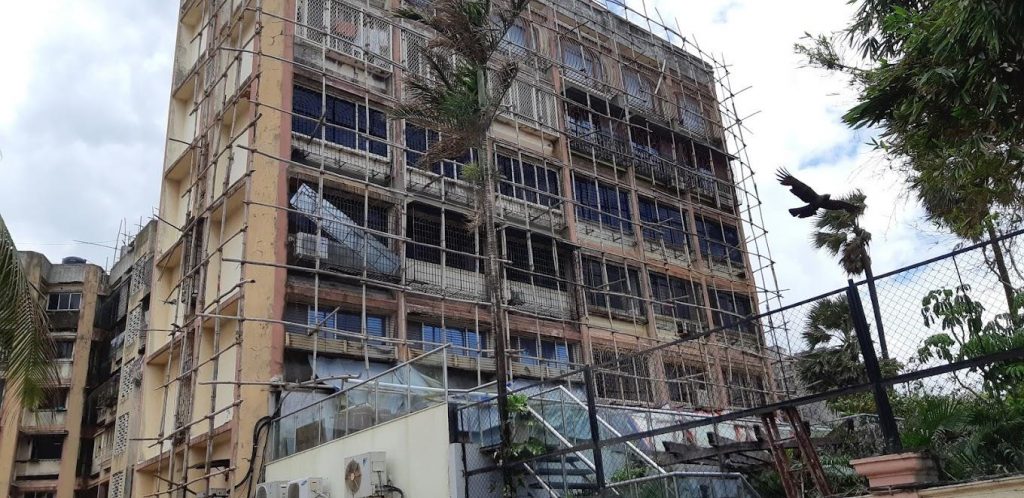
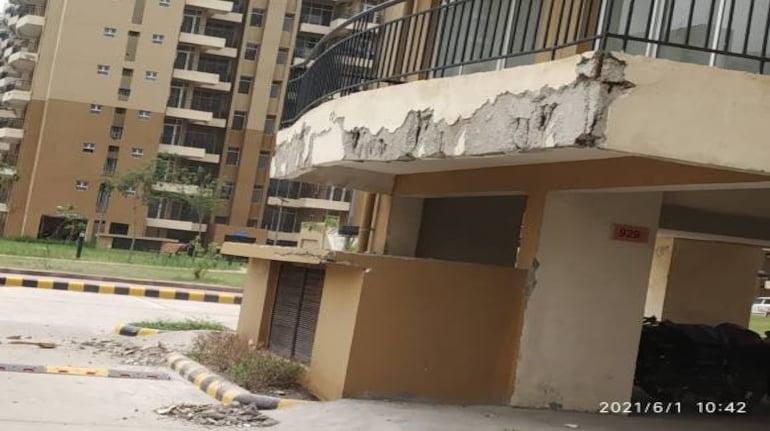
Many housing societies believe that repairing cracks, replacing damaged concrete, or fixing corroded reinforcement is simply another maintenance expense. As a result, structural work is often planned in the same manner as painting, plumbing repairs, or housekeeping contracts. This misunderstanding creates one of the biggest governance risks for ageing buildings. Structural repairs are not cosmetic improvements or routine upkeep. They directly affect the safety, durability, and long-term stability of the building. The difference between a well-maintained building and a structurally safe building is significant. A building may appear visually sound while serious structural deterioration continues beneath the surface.
1. Structural Repairs Address Safety, Not Appearance
Routine maintenance keeps the building functional and presentable. Structural repairs restore the strength of load-bearing elements that have deteriorated over time. Ignoring structural deterioration can gradually reduce the building’s ability to withstand everyday loads and environmental conditions.
Before approving structural repairs, every committee should ask:
• Has a qualified Structural Engineer inspected the building? • Is the damage cosmetic or structural? • Have the root causes been identified? • Does the repair require strengthening or only surface treatment? • Has a detailed repair methodology been prepared?
Treating structural repairs like ordinary maintenance often results in temporary fixes instead of permanent solutions.
One of the most common mistakes is assuming that repainting damaged surfaces or sealing visible cracks solves the underlying problem. Many visible defects originate from corrosion, water ingress, carbonation, poor waterproofing, ageing concrete, or reinforcement deterioration. Unless these causes are properly addressed, the damage usually returns. Structural repairs require careful investigation before execution.
Committees should avoid approving work based only on visible damage. Instead, they should ensure:
• Structural condition assessment has been completed. • Repair methodology matches the defect. • Root causes have been identified. • Materials are technically appropriate. • Waterproofing and drainage issues are addressed simultaneously wherever necessary.
Repairing symptoms without eliminating the cause often leads to repeated expenditure.
3. Structural Repairs Need Engineering, Not Vendor Opinions
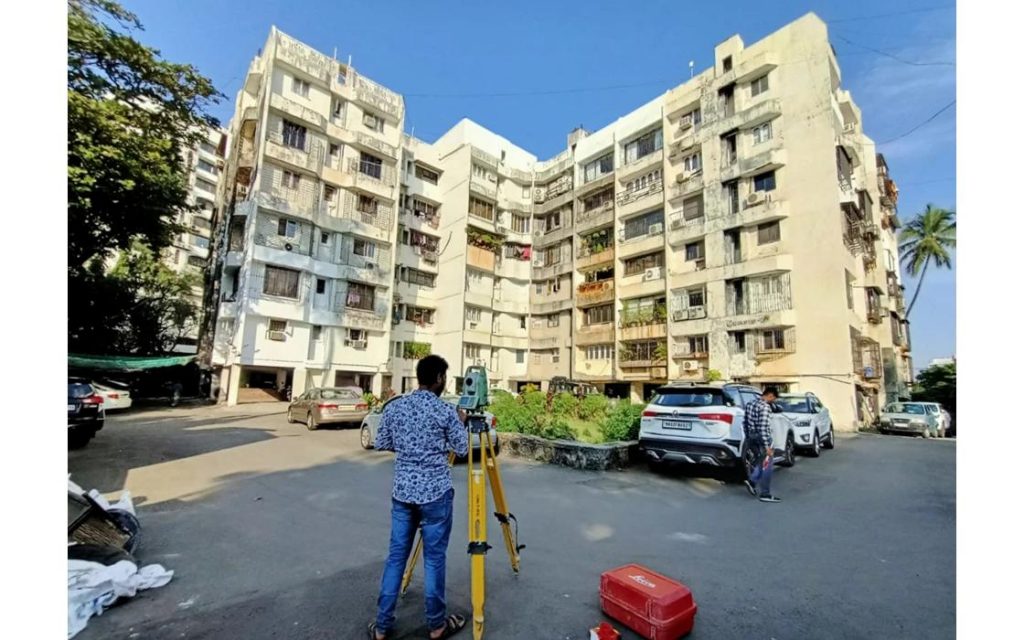
Routine maintenance activities can often be managed directly by contractors. Structural repairs are different. The scope of work should ideally be prepared by a qualified Structural Engineer based on technical investigations and site observations.
Without engineering specifications:
• Vendors propose different repair methods. • Quotations become impossible to compare. • Low-cost solutions may omit critical work. • Repair quality becomes inconsistent. • Long-term performance cannot be evaluated.
Many housing societies compare only the quoted amount rather than comparing the proposed scope of work. A technically prepared BOQ creates transparency, improves vendor comparison, and reduces execution risks.
4. Delaying Structural Repairs Makes Them More Expensive
Unlike routine maintenance, structural deterioration rarely remains constant. Water continues entering damaged concrete. Steel reinforcement continues corroding. Concrete continues weakening. Every year of delay generally increases both the repair scope and project cost.
Before postponing structural work, committees should ask:
• Will this deterioration become more extensive next year? • Can preventive repairs reduce future costs? • Are temporary repairs creating recurring expenses? • What risks does continued deterioration create for residents? • Is postponement financially justified?
Early intervention is almost always less expensive than major structural rehabilitation.
5. Structural Repairs Are a Governance Responsibility
Structural repairs should never be viewed as only an engineering project. They are also a governance responsibility. Successful housing societies document inspections, maintain structural records, preserve previous repair history, allocate reserve funds, and plan repairs proactively rather than reactively.
Before Approving Structural Repairs, Ask These Five Questions
✔ Has a Structural Audit or professional inspection been completed? ✔ Has the root cause of deterioration been identified? ✔ Are all vendor quotations based on the same technical specifications? ✔ Have waterproofing, drainage, and corrosion sources been addressed together? ✔ Has a qualified Structural Engineer approved the repair methodology?
These simple questions help committees make technically sound decisions instead of focusing only on immediate costs.
Conclusion
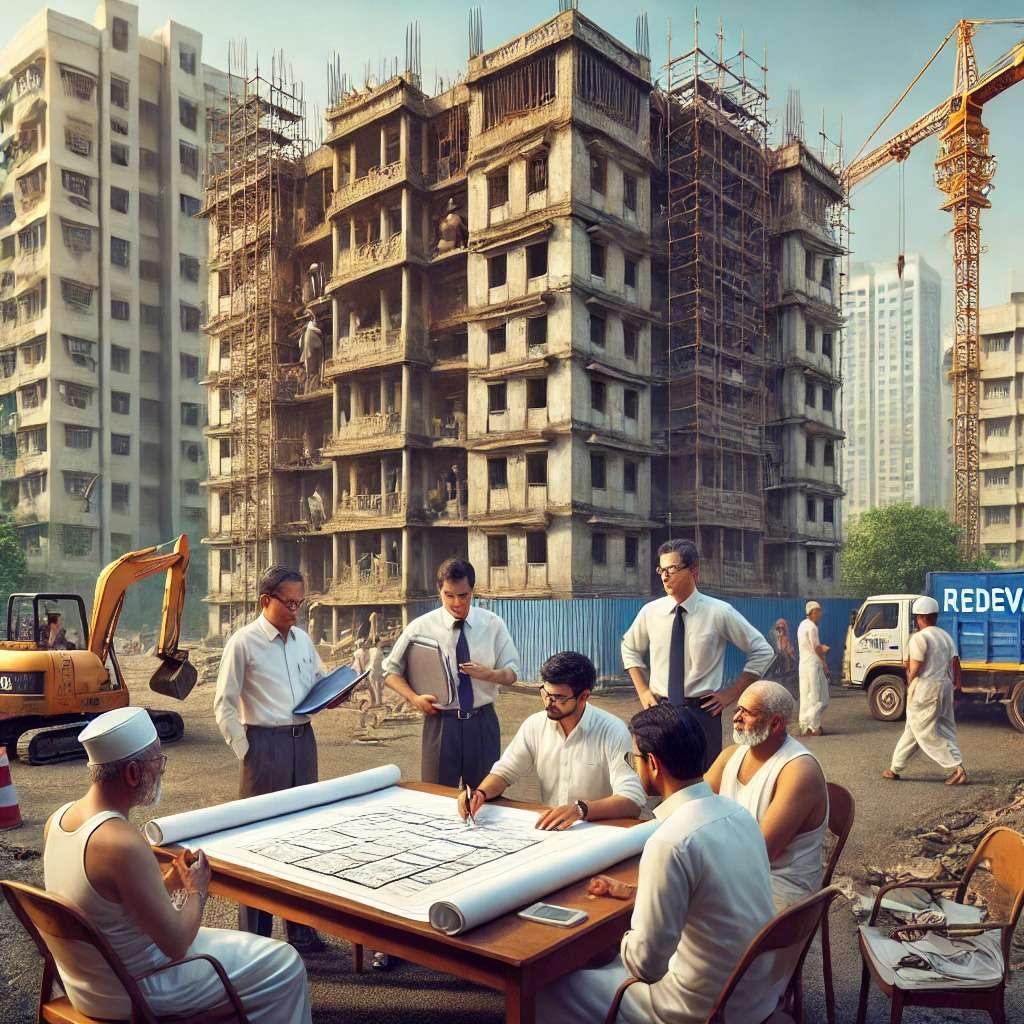
Buildings rarely become unsafe because they grow old. They become vulnerable when structural deterioration is treated as routine maintenance instead of a critical engineering issue. Every delayed inspection, temporary repair, or incomplete solution increases future financial exposure and safety risks. Housing societies that distinguish between maintenance and structural rehabilitation make better investment decisions, protect residents, extend building life, and reduce long-term repair costs. Strong buildings are not created by repairing visible damage. They are protected by identifying structural risks early and addressing them with the right technical approach.