Why Housing Societies Need a Solar Strategy Before Electricity Costs Rise Further
Published: 21st Jul 2026•By BlockPilot
Co-Op Housing Insights
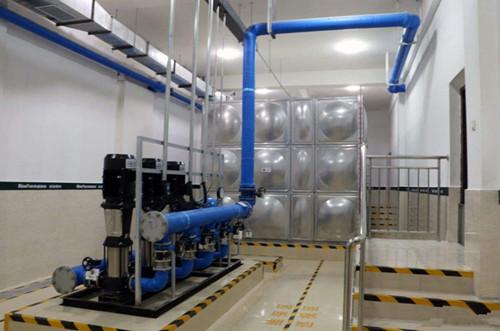
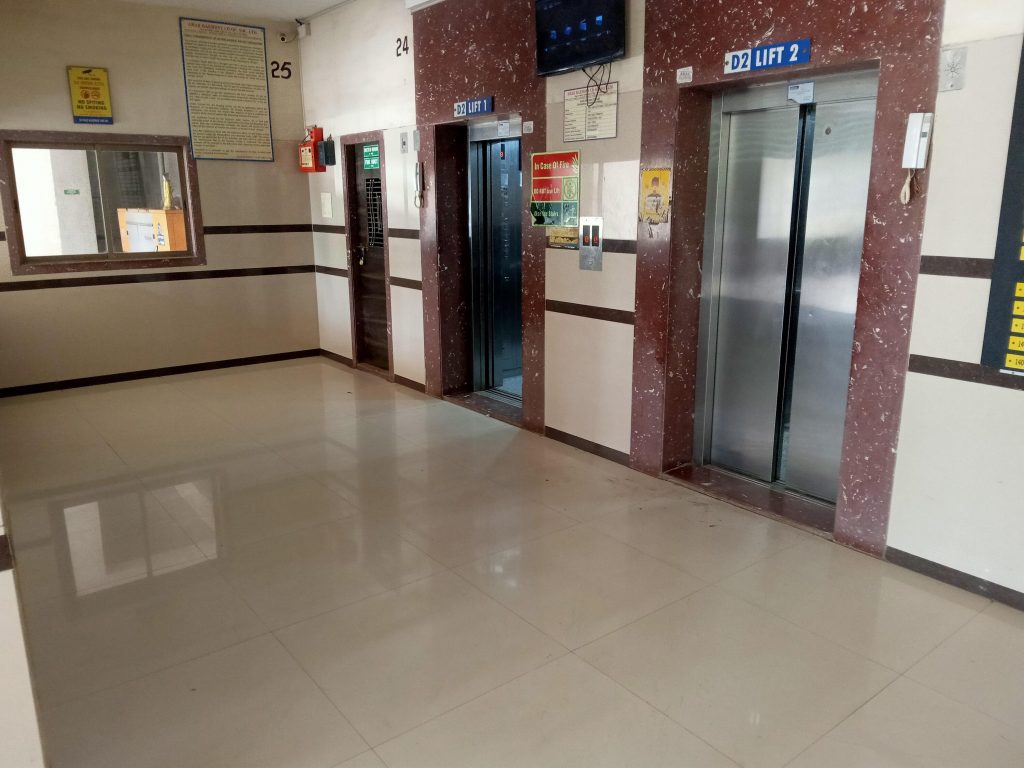
Many housing society committees are experiencing a familiar challenge. Every year, common area electricity bills continue to increase, placing additional pressure on maintenance budgets. Lifts, water pumps, corridor lighting, CCTV systems, security cabins, fire safety infrastructure, and clubhouses consume electricity every day, yet many societies continue treating rising power costs as an unavoidable expense rather than a manageable financial risk.
Across urban India, housing societies are now facing an important question. Should they continue absorbing higher electricity costs year after year, or should they explore long-term energy solutions such as solar power? The issue is no longer only about sustainability. It is increasingly about financial planning, governance, operational efficiency, and protecting societies from future cost escalation.
Why should housing societies consider a solar strategy before electricity costs rise further? Housing societies should consider a solar strategy because common area electricity expenses continue to increase every year. Solar power can help reduce recurring electricity costs, improve long-term financial planning, and create greater control over operational expenses.
1. Rising Electricity Bills Are Becoming a Significant Financial Burden
For many housing society buildings, common-area electricity has become one of the fastest-growing operating expenses. Electricity powers lifts, pumps, lighting systems, CCTV networks, access control systems, and numerous shared facilities. As utility tariffs increase, these costs directly impact maintenance budgets and reserve planning. Many committees attempt to manage rising expenses by increasing maintenance charges. However, this approach often creates resistance among members and does not address the underlying problem. The challenge becomes even greater in larger developments where multiple towers, lifts, and common amenities require substantial energy consumption. Without a structured energy strategy, housing societies may continue facing annual cost increases that gradually affect financial stability. The issue is not simply rising tariffs. It is the absence of long term planning to manage them effectively.
2. Solar Power Converts a Recurring Expense into a Long-Term Financial Asset
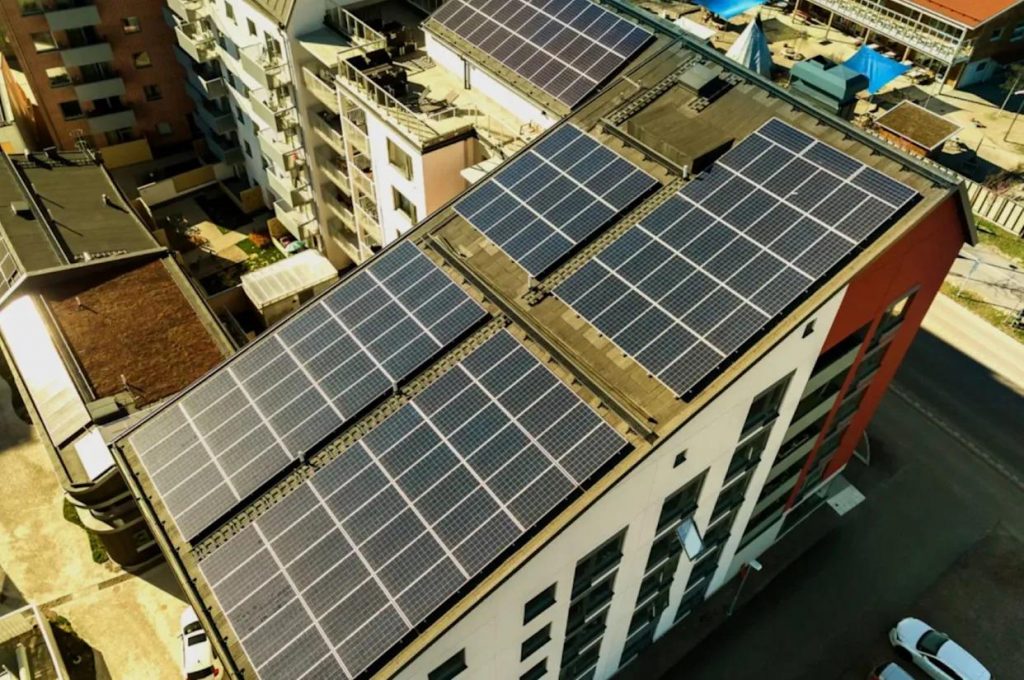
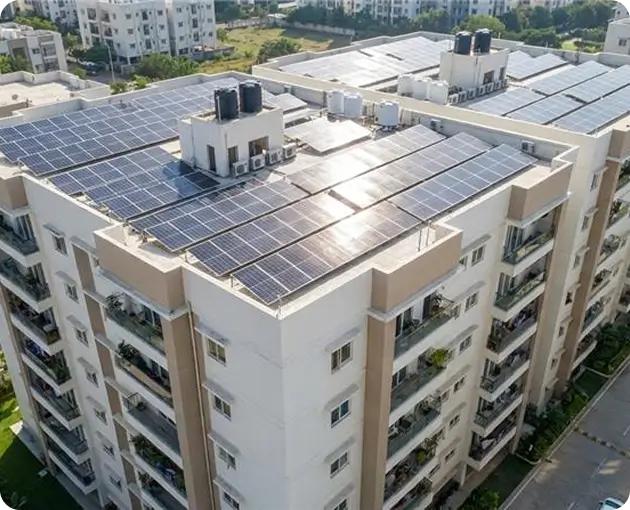
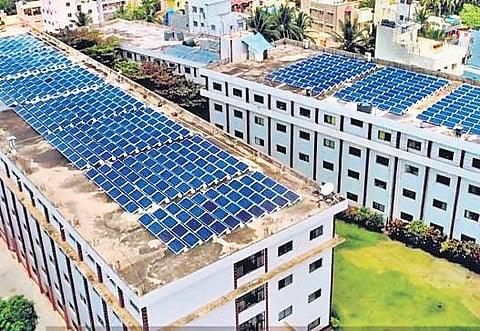
Unlike most operational expenses, electricity offers an opportunity for cost reduction through self generation. Solar panels allow a housing society to generate electricity using available rooftop space and offset a significant portion of common area power consumption. Many housing societies evaluate solar projects purely as capital expenditure decisions. However, the more important perspective is financial sustainability. Every unit of electricity generated through solar reduces dependency on purchased power and improves long term cost control. A housing society that spends several lakhs annually on electricity may gradually recover its solar investment through lower electricity bills. Over time, this transforms energy management from a recurring expense into a long term asset. This is why solar is increasingly becoming a financial planning discussion rather than only an environmental initiative.
3. Governance and Documentation Must Come Before Installation
One of the most common mistakes made by housing societies is starting with vendor quotations before understanding whether solar is actually suitable for the building. Successful solar projects require governance, documentation, technical evaluation, and structured decision making. Many societies face challenges because they skip feasibility assessments and move directly into procurement discussions. Questions related to rooftop availability, shadow analysis, structural condition, future redevelopment plans, electricity consumption patterns, and subsidy eligibility often remain unanswered. This is similar to housing society accounting mistakes where decisions are made without complete information. Inadequate documents, poor vendor evaluation, and limited technical understanding frequently create execution challenges later. Good governance begins before installation. It starts with understanding whether solar is technically and financially viable for the housing society.
4. Delayed Decisions Increase Long Term Costs
Many housing society committees postpone solar discussions because electricity bills rise gradually rather than suddenly. However, each year of delay means another year of exposure to increasing electricity expenses. The financial impact becomes significant when viewed over five to ten years. A housing society that delays solar adoption may spend substantially more on electricity than a similar society that implemented solar earlier. This pattern is similar to redevelopment and infrastructure planning decisions where delayed action often increases future liabilities. While societies frequently focus on immediate expenditure, they sometimes overlook the long term cost of inaction. As electricity tariffs continue rising across urban India, the financial consequences of postponing energy planning become increasingly difficult to ignore. The question is not whether electricity costs will increase. The question is how prepared a housing society is to manage those increases.
5. Solar Feasibility Studies Create Better Decisions
The most successful housing society solar projects begin with feasibility studies rather than installation proposals. A comprehensive solar feasibility study evaluates rooftop suitability, structural readiness, electricity consumption patterns, shadow analysis, future redevelopment considerations, financial viability, and regulatory requirements. It provides committees with the information required to make informed decisions. Many societies face challenges because they rely solely on vendor presentations. This often results in unrealistic expectations regarding savings, system performance, and return on investment. A structured feasibility process improves governance, strengthens documentation, and creates transparency during decision making. It also helps committees compare proposals objectively and avoid future disputes. The goal should not be to install solar panels quickly. The goal should be to determine whether solar is the right solution for the housing society and how it can deliver maximum long-term value.
Conclusion
Solar energy is no longer only about sustainability. It is increasingly becoming a strategic financial tool for housing societies dealing with rising common area electricity expenses. Most housing societies are not struggling because electricity tariffs are increasing. Rising costs affect every building. The real difference lies in how societies respond to those costs. Committees that conduct feasibility studies, maintain proper documents, strengthen governance systems, and evaluate solar opportunities early place themselves in a stronger financial position for the future. The issue is not lack of awareness. The issue is lack of structure, clarity, and control. Housing societies that develop a solar strategy today will be far better prepared for tomorrow’s energy costs than those that continue treating rising electricity bills as an unavoidable expense.