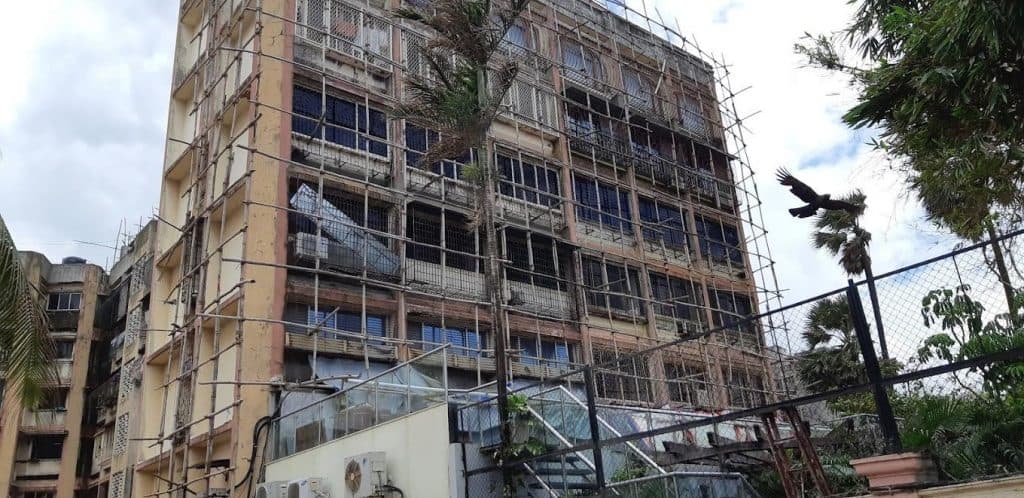
Rising Repair Costs Are Making Old Mumbai Buildings Financially Unsustainable
Published: 13th Jun 2026•By BlockPilot
Co-Op Housing Insights
Many housing society members believe that ageing buildings become a concern only when visible cracks, leakages, or structural notices appear. In reality, the financial decline starts much earlier. Rising maintenance costs, repeated repair cycles, outdated infrastructure, and weak long-term planning are making many older buildings in Mumbai financially unsustainable. Across Mumbai and other urban centres, housing society committees increasingly face a difficult choice: continue spending on recurring repairs or move towards redevelopment. The challenge is not only structural deterioration but also governance, financial planning, documentation, compliance, and timely decision-making.
Why are ageing buildings in Mumbai becoming financially unviable?
Ageing buildings in Mumbai are becoming financially unviable because recurring repair costs, rising compliance expenses, outdated infrastructure, increasing insurance risks, and delayed redevelopment decisions are placing significant financial pressure on housing societies. Poor governance, incomplete documentation, and weak financial planning further increase long-term liabilities.
1. Rising Repair Costs Are Outpacing Society’s Budgets
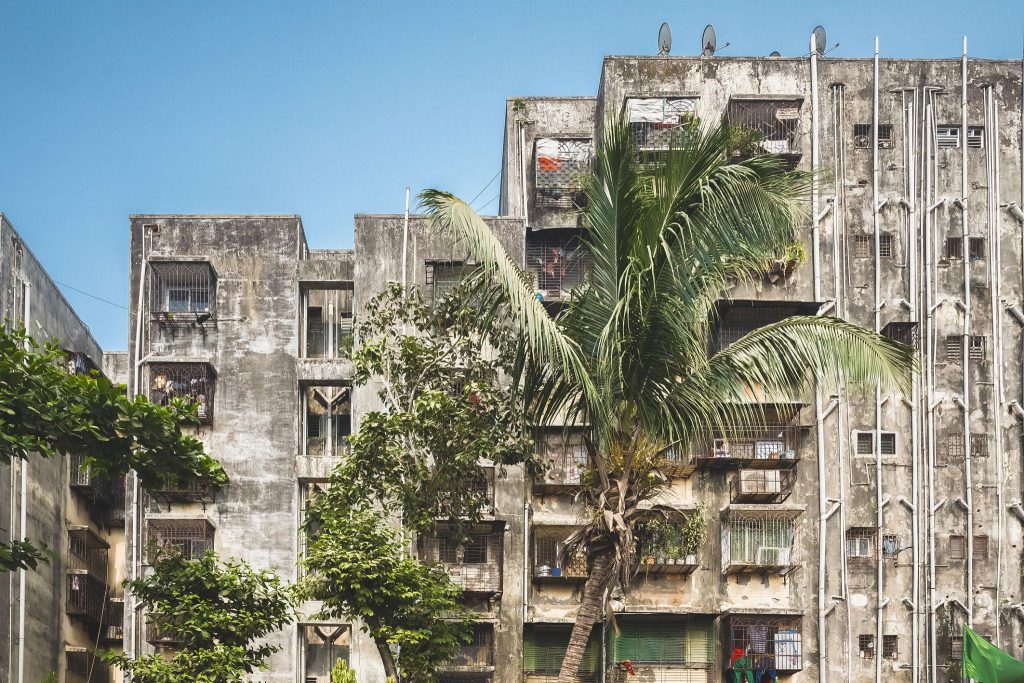
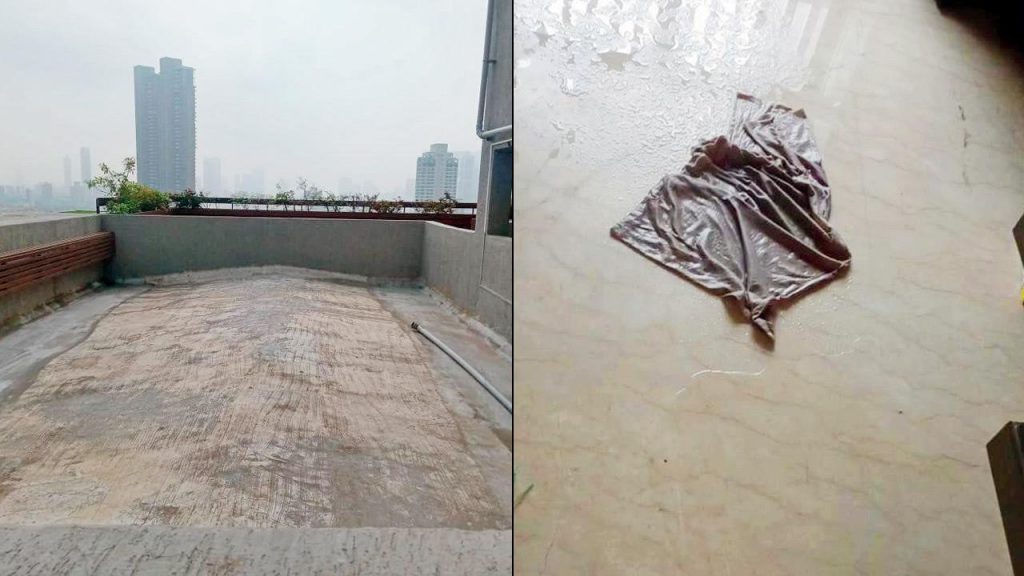
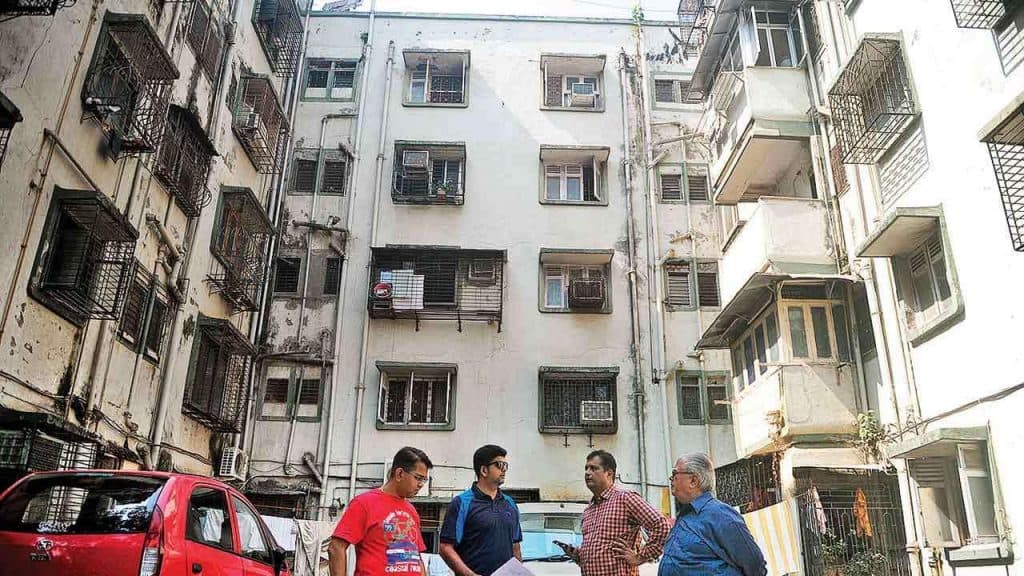
Many older housing society buildings were constructed 30 to 50 years ago, when construction standards, waterproofing systems, plumbing networks, and electrical requirements were very different. As buildings age, societies repeatedly spend on terrace waterproofing, structural repairs, plumbing leakages, façade restoration, lift replacement, and fire safety upgrades. These expenses rarely remain one-time costs because root causes are often not addressed through proper technical audits or execution monitoring. Poor vendor selection and weak project governance frequently result in temporary solutions rather than lasting outcomes. At the same time, maintenance collections often fail to keep pace with increasing expenditure. Members may resist higher maintenance charges, creating cash flow pressure for the housing society. This growing imbalance gradually makes the building financially inefficient to maintain, making redevelopment discussions inevitable rather than strategic.
2. Governance Gaps and Poor Financial Planning Increase Risk
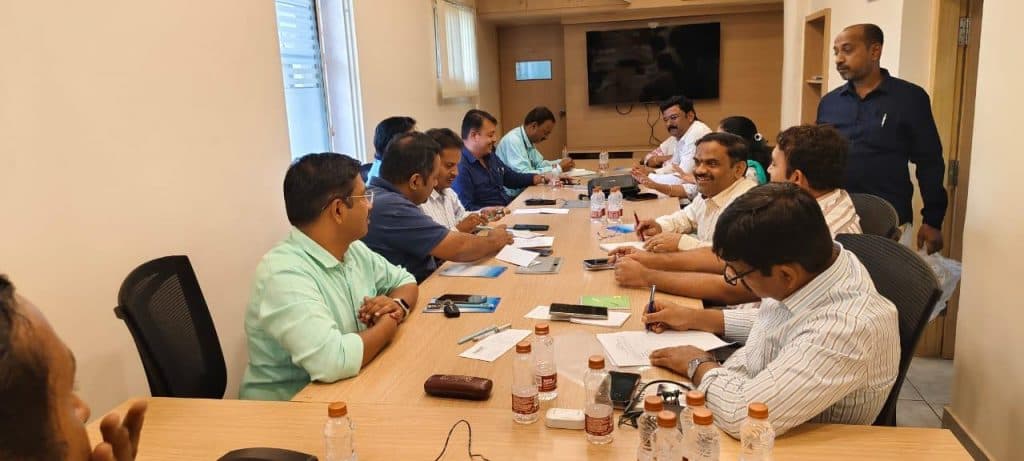
A major reason ageing buildings become financially vulnerable is the lack of structured governance systems. Many housing society committees operate reactively rather than plan for long-term capital expenditure. Sinking funds remain underfunded, repair decisions are delayed, and critical documents are incomplete or poorly maintained. Housing society accounting mistakes often worsen the situation. Delayed audits, improper expense classification, vendor payment disputes, and weak reserve planning create long-term financial stress. Society audit issues also emerge when records related to repairs, structural audits, and statutory compliance are not properly maintained. These governance weaknesses directly impact redevelopment readiness and financial credibility. Developers, consultants, and financial institutions increasingly assess a housing society’s financial discipline before engaging in redevelopment discussions. Accounting errors in housing societies India are no longer viewed as minor clerical issues; they influence project confidence, member trust, and future decision-making.
3. Infrastructure Upgrades Are Becoming More Expensive
Older buildings were not designed for modern expectations. Residents now expect improved fire systems, CCTV monitoring, water management, EV charging readiness, efficient pumps, modern lifts, and energy-efficient infrastructure. Integrating these upgrades into ageing structures is often technically challenging and financially demanding. Many societies require major electrical upgrades because older wiring systems cannot support modern loads. Outdated plumbing networks create recurring leakages that affect both structural integrity and resident satisfaction. Stricter fire compliance norms further increase operational responsibilities and costs. Without proper planning, societies often spend heavily on emergency upgrades instead of implementing phased infrastructure strategies. This reactive spending pattern creates further financial strain while increasing challenges related to vendor management, technical evaluation, and documentation control. Financial viability today is not only about collecting maintenance charges; it is about controlling operational inefficiencies before they become capital crises.
5. Financial Viability Now Depends on Structured Decision Making
The biggest misconception in many ageing housing society buildings is that financial problems can be solved through higher maintenance collections or another repair project. In reality, financial viability depends on structured planning, technical clarity, governance discipline, and execution control. Societies that proactively maintain documents, conduct timely audits, strengthen governance systems, and evaluate redevelopment feasibility early are significantly better positioned than those relying on temporary fixes. Even basic systems such as repair tracking, vendor management, audit readiness, and infrastructure planning can improve long-term financial stability. Mumbai’s ageing buildings are not becoming financially unviable because residents do not care. Many societies are spending heavily and making genuine efforts. The challenge is that decisions are often fragmented, reactive, and unsupported by structured systems. The future of ageing society buildings will depend on how well committees integrate governance, financial planning, technical expertise, and redevelopment readiness into a single coordinated strategy. In today’s urban environment, survival is no longer about repairing old buildings. It is about managing them intelligently before financial pressure becomes irreversible.