Water Tankers and Rising Costs: Mumbai Housing Societies' Unsustainable Reality
Published: 23rd Jul 2026•By BlockPilot
Co-Op Housing Insights
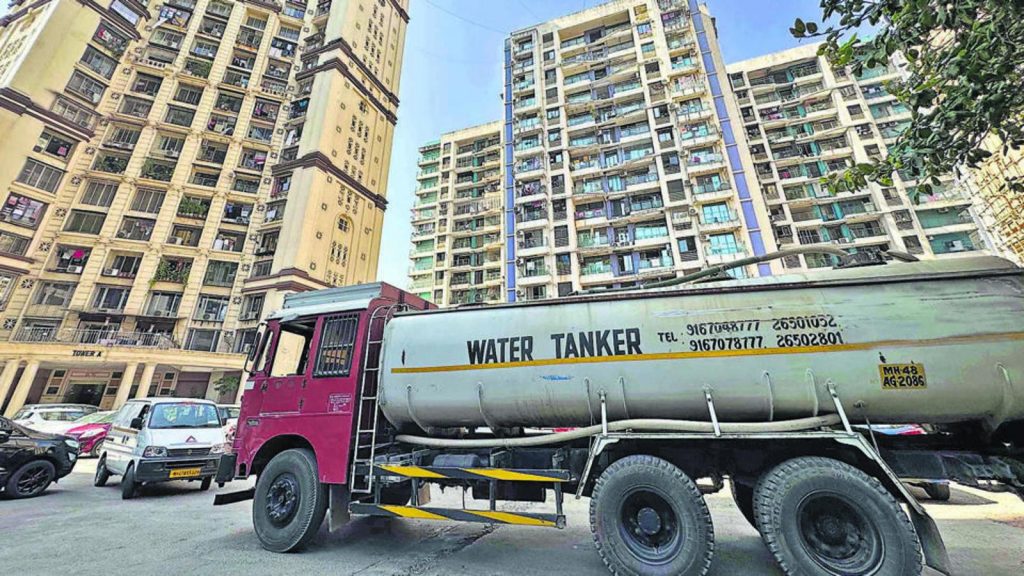
Many housing societies once treated water tankers as a temporary response to occasional shortages. Today, for many buildings across Mumbai, tankers have become a regular operational requirement. What was once an emergency expense is now a recurring cost that directly affects maintenance budgets, reserve planning, and long-term financial sustainability.
As municipal water supplies face increasing pressure and urban demand continues to grow, housing societies are finding themselves increasingly dependent on external water sources simply to maintain normal operations. The challenge is no longer only about ensuring uninterrupted supply. It is about understanding whether this growing dependence is financially sustainable.
The issue has become even more relevant in recent months as Mumbai has experienced water supply concerns due to delayed monsoon rains and declining reservoir levels. Municipal authorities have already urged conservation measures across various sectors, while many housing societies have started preparing for potential supply restrictions and increased tanker dependency. For buildings that already rely on supplementary water sources, even a temporary shortage can significantly increase operational costs and place additional pressure on maintenance budgets. This situation highlights an important reality: water management is no longer only an infrastructure issue. It is becoming a financial planning and sustainability challenge for housing societies.
Why are Mumbai housing societies becoming increasingly dependent on water tankers? Mumbai housing societies are increasingly dependent on water tankers due to water shortages, growing demand, ageing infrastructure, groundwater depletion, and inadequate conservation measures. Rising tanker costs are creating significant financial pressure on maintenance budgets and long-term sustainability.
1. Water Tankers Are No Longer an Emergency Solution
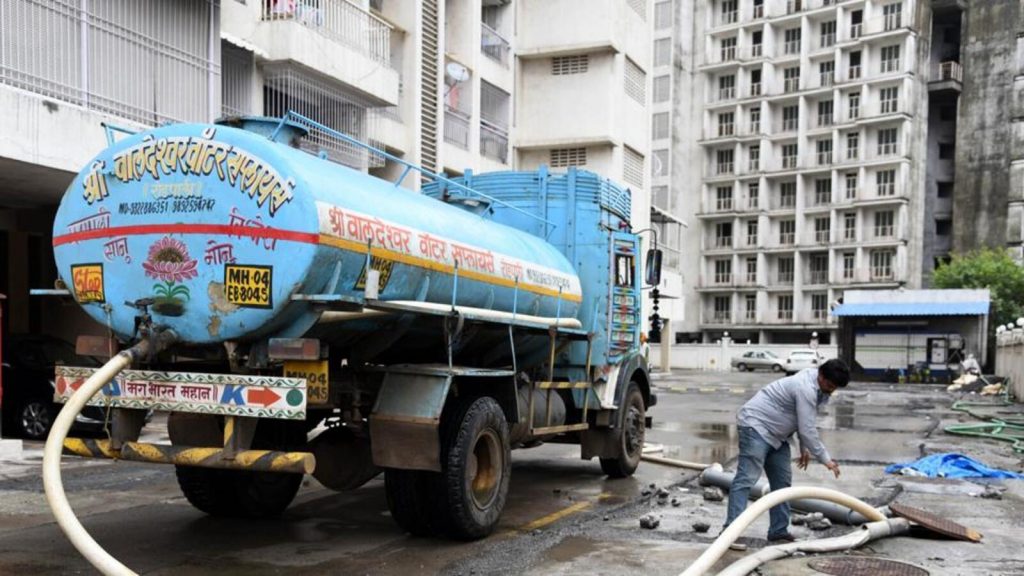
For many housing societies, water tankers have quietly shifted from being an occasional backup arrangement to becoming a routine operational necessity. Buildings that once required tankers only during summer months now often depend on them throughout the year. As municipal water availability becomes less predictable and consumption patterns continue increasing, tanker procurement is becoming embedded within society operations. While tankers provide immediate relief, they do not address the underlying causes of water shortages. Instead, they create recurring expenses that continue increasing over time. Many committees focus on ensuring supply continuity but rarely evaluate the long-term financial impact of this growing dependency. What appears manageable today may become a significant financial burden in the future.
2. Rising Tanker Costs Are Increasing Financial Pressure
Water tanker costs have increased steadily due to fuel prices, transportation expenses, supply constraints, labour costs, and seasonal demand fluctuations. During periods of water stress, prices can increase further, creating unexpected financial pressure on housing societies. Unlike one-time repair projects, tanker expenses recur every month. For larger housing societies, these costs can become substantial and directly impact maintenance budgets. Many committees respond by increasing maintenance charges, but this often creates dissatisfaction among members while failing to solve the root problem. The challenge is not only the cost of water itself. It is the increasing unpredictability of that cost. As dependency grows, housing societies become increasingly exposed to future price increases and supply disruptions.
3. Ageing Infrastructure Makes the Problem Worse
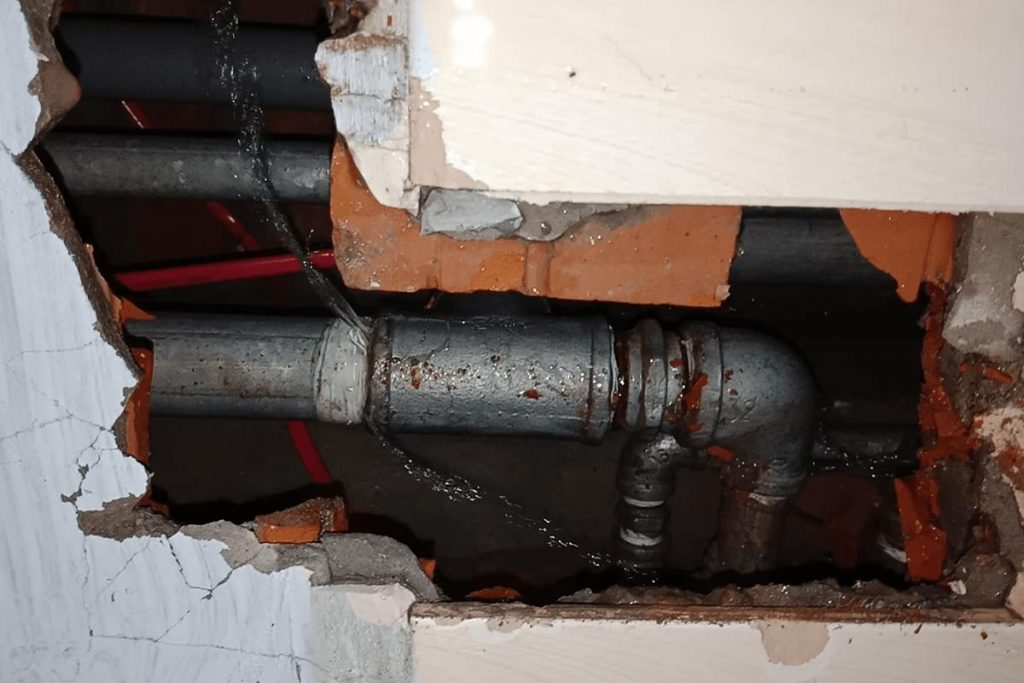
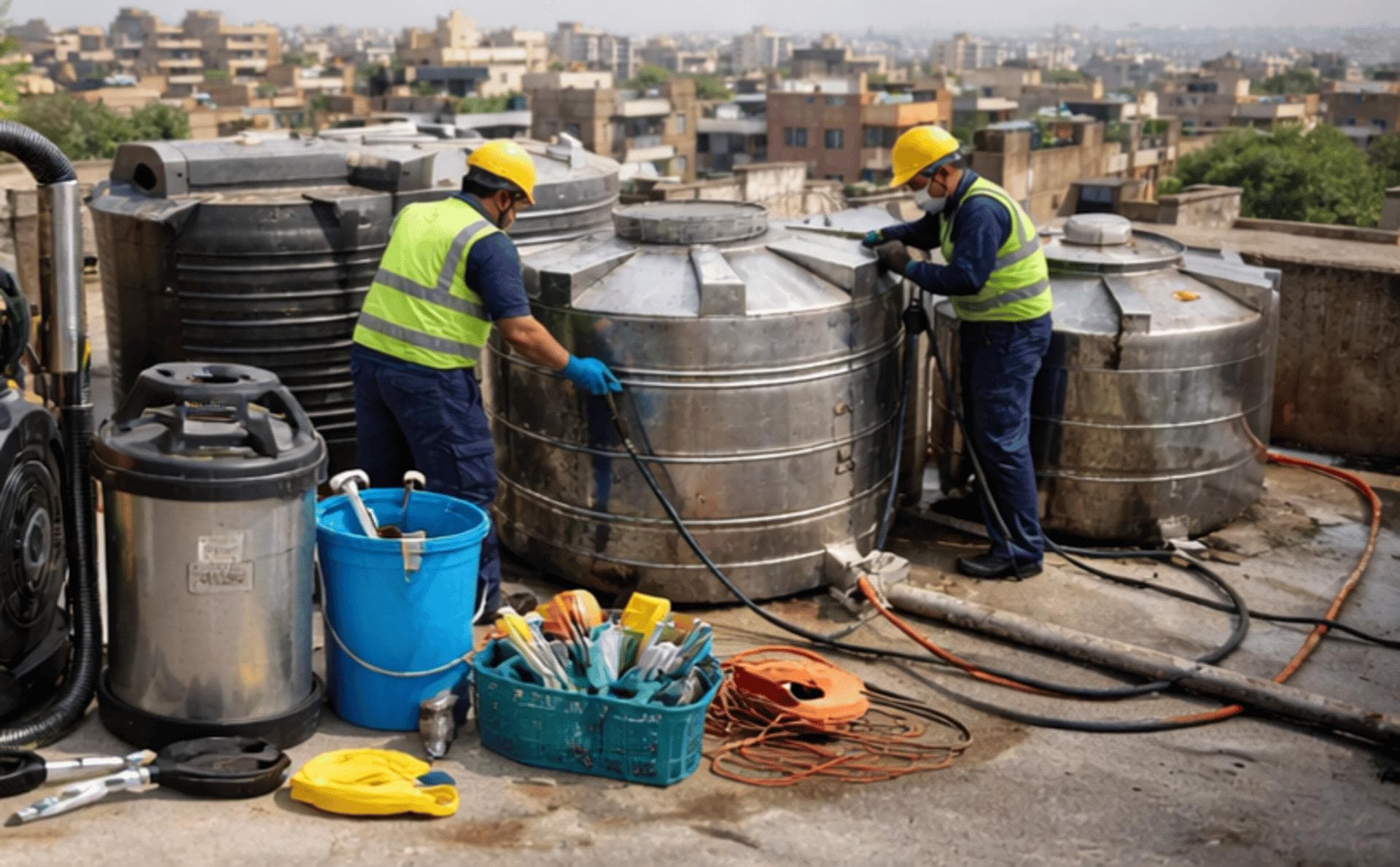
Many housing society buildings unknowingly lose significant quantities of water through leakages, damaged pipelines, inefficient plumbing systems, ageing pumps, and poorly maintained overhead tanks. Without regular inspections and infrastructure assessments, these losses remain hidden while tanker requirements continue increasing. In several cases, societies focus on purchasing additional water rather than identifying where existing water is being wasted. The issue is often not only water availability. It is also water management. A housing society that improves plumbing efficiency, repairs leakages, monitors consumption, and upgrades ageing systems can often reduce tanker dependency significantly without affecting resident comfort. Infrastructure efficiency is one of the most overlooked aspects of water sustainability.
4. Governance and Planning Are More Important Than Procurement
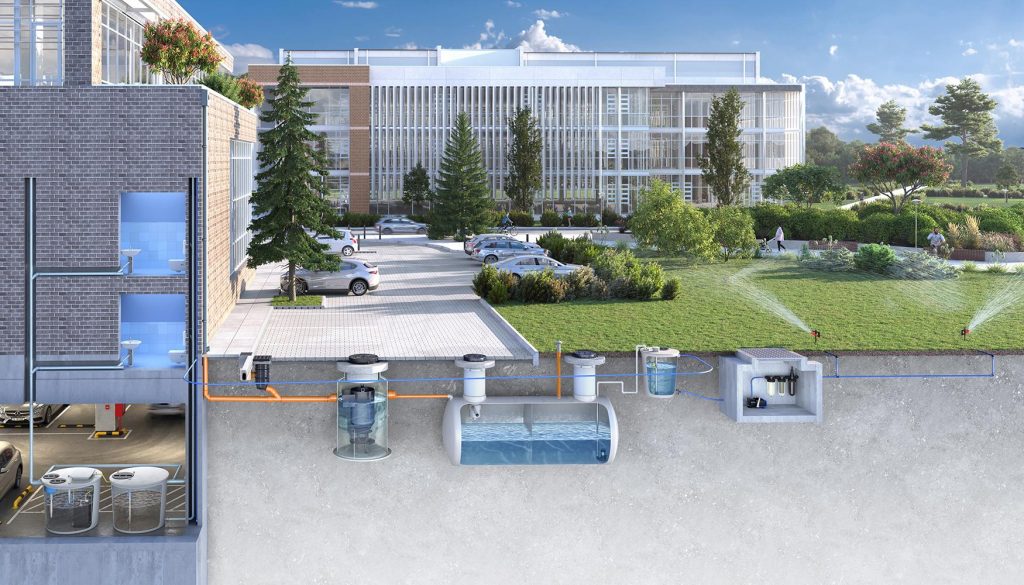
Many housing societies respond to shortages by arranging more tankers whenever supply becomes inadequate. While this may solve an immediate problem, it does not create long-term resilience. Effective water management requires structured governance systems that monitor consumption, track losses, maintain infrastructure records, and evaluate conservation opportunities. Rainwater harvesting systems, recycling plants, smart metering, leak detection programs, water audits, and consumption monitoring can significantly improve sustainability outcomes. However, these initiatives require planning, documentation, and execution. The issue is not simply purchasing water. It is managing water intelligently. Societies that treat water as a managed resource rather than a recurring purchase are often better positioned financially and operationally.
5. Water Sustainability Is Becoming a Financial Necessity
As Mumbai continues facing periodic water stress and increasing urban demand, housing societies that remain heavily dependent on tankers may face growing financial exposure. Future sustainability will depend on a combination of conservation initiatives, infrastructure improvements, governance systems, documentation practices, and long-term planning. The most resilient housing societies will not necessarily be the ones purchasing the most water. They will be the ones wasting the least. Committees that proactively evaluate water consumption, improve efficiency, and invest in sustainable solutions can significantly reduce long-term operational risks while improving financial stability.
Conclusion
Mumbai housing societies are not becoming financially stressed because water is unavailable. They are becoming financially exposed because water management systems have not kept pace with growing demand, ageing infrastructure, and rising costs. Water tankers may solve today’s shortage, but they rarely solve tomorrow’s problem. The current water shortage concerns caused by delayed rains serve as a reminder that water security cannot be treated as a seasonal issue. Housing societies that continue relying solely on tanker procurement may face increasing financial pressure whenever supply conditions tighten. Long-term resilience will come from conservation, infrastructure efficiency, rainwater harvesting, recycling systems, governance, documentation, and structured water management practices rather than emergency responses alone. The issue is not lack of effort. Most committees work hard to maintain uninterrupted supply. The issue is lack of structure, visibility, and long-term planning. Housing societies that invest in water efficiency, conservation, governance, and sustainability today will be far better prepared for the water challenges of tomorrow.