Why Housing Societies Delay Solar Decisions and Pay More Later
Published: 30th Jul 2026•By BlockPilot
Co-Op Housing Insights
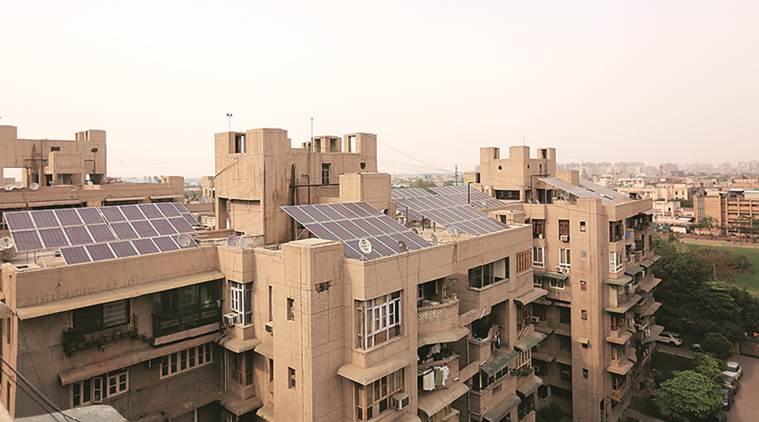
Installing solar power is no longer just a sustainability initiative for housing societies. It has become a practical financial decision. Yet across Mumbai and many other Indian cities, housing societies continue to postpone solar projects despite rising electricity bills and increasing awareness of renewable energy. The hesitation is rarely because committees oppose solar. Most Managing Committees understand its long-term benefits. The challenge is that projects often remain stuck in discussions instead of moving towards execution. Meetings are held, quotations are collected, and questions are raised about costs, subsidies, roof suitability, approvals, and return on investment. Eventually, the proposal is deferred to the next meeting, the next financial year, or even the next Managing Committee. At first glance, this delay appears harmless. Unlike a leaking terrace or a failed lift, postponing solar does not create an immediate operational problem. However, every month of delay means another month of paying full electricity bills that could have been partially offset through solar generation. With electricity costs continuing to rise, the real question is no longer whether societies should evaluate solar. The question is how much the delay is already costing them.
Why do housing societies delay solar installation despite rising electricity costs?
Housing societies usually delay solar installation because of uncertainty around investment, technical feasibility, approvals, vendor selection, and return on investment. While these concerns are understandable, prolonged delays lead to higher electricity expenses, missed savings, and greater dependence on rising utility costs.
1. Solar Is Still Viewed as an Expense Instead of a Financial Asset
One of the biggest reasons housing societies postpone solar projects is the way the investment is perceived. Unlike repairs or statutory compliance work, solar is often viewed as an optional capital expense rather than an income-generating asset. Committee discussions usually begin with one question: How much will it cost? Very few begin with a more important one: How much can the society save over the next twenty years? This difference in thinking changes the entire decision-making process. While the initial investment may seem significant, the financial benefits continue for decades through lower common area electricity bills. Well-managed housing societies increasingly view solar as infrastructure that generates measurable savings while protecting the society from future electricity price increases.
2. Uncertainty Often Replaces Decision Making
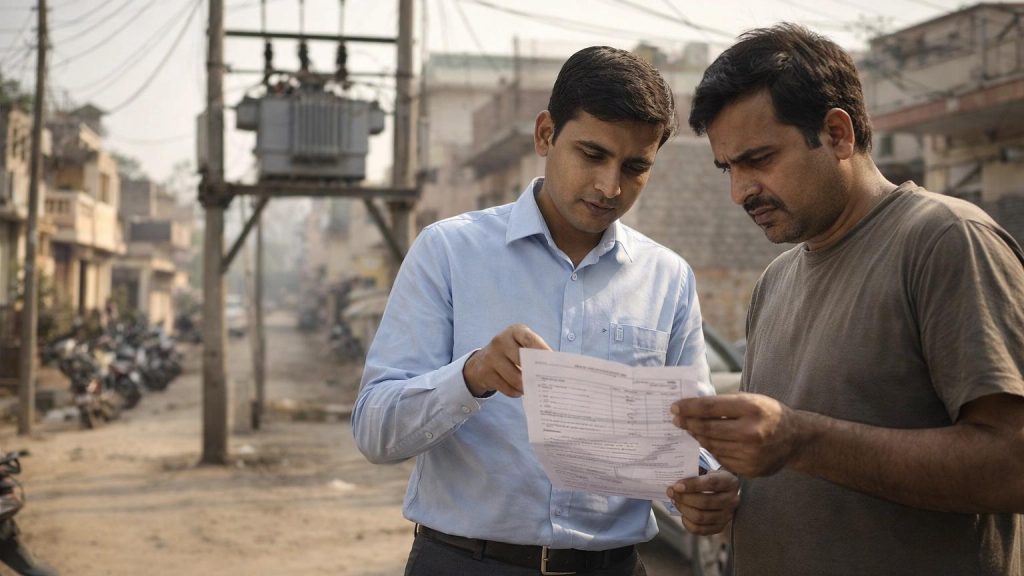
Solar projects involve technical concepts that many committee members encounter for the first time. Questions naturally arise about rooftop strength, electricity generation, net metering, approvals, maintenance requirements, warranties, and payback periods. When reliable technical information is unavailable, discussions become driven by assumptions instead of facts. One committee member believes the roof is unsuitable, another feels subsidies may improve next year, while someone else suggests waiting until redevelopment discussions are completed. None of these concerns are unreasonable. However, when every uncertainty becomes a reason to postpone the decision, progress stops. In many housing societies, the issue is not disagreement about solar but the absence of structured information that enables confident decision-making. Committee members should also understand how net metering, electricity tariffs, and applicable government policies influence long-term savings before comparing vendor proposals.
3. Every Year of Delay Has a Financial Cost
Electricity is one of the few recurring expenses that continues every single month. Lifts, water pumps, common lighting, clubhouses, and other shared facilities depend on electricity every day, making it a permanent component of society’s expenditure. Unlike one-time maintenance projects, electricity expenses continue regardless of whether new decisions are taken. Every year a technically suitable solar project is delayed, society continues paying full electricity costs while losing the opportunity to generate part of its own energy. These lost savings rarely appear in society accounts because there is no invoice labelled “Savings Lost Due to Delay.” Higher electricity bills simply become accepted as routine operating expenses. Over several years, the cumulative impact can become substantial, reducing funds that could otherwise strengthen reserve funds, support preventive maintenance, or finance future capital improvements.
4. A Solar Project Should Begin with a Feasibility Study, Not Vendor Quotations
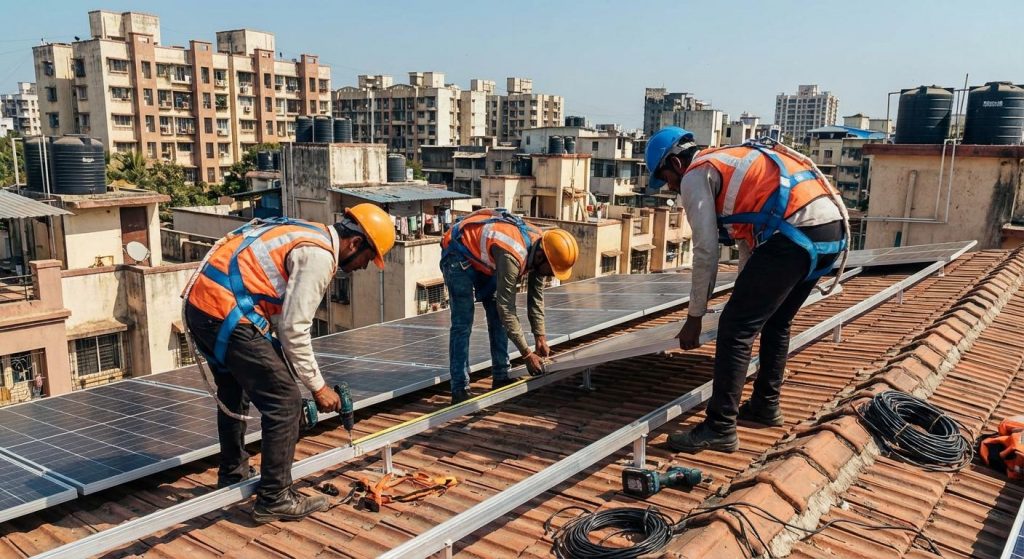
One of the most common mistakes housing societies make is collecting vendor quotations before understanding whether the project is technically suitable. Without a proper technical assessment, committees end up comparing prices instead of evaluating the right solution. A professional solar feasibility study evaluates annual electricity consumption, rooftop availability, shadow analysis, structural capacity, sanctioned load, net metering eligibility, and expected energy generation. These inputs help determine whether the project is technically and financially viable. Only after this assessment should societies invite quotations using a common technical specification. Otherwise, every vendor proposes a different system capacity, equipment configuration, and performance estimate, making comparisons unreliable. A technical assessment also answers the questions members are most likely to ask during General Body Meetings, including expected electricity generation, projected savings, payback period, and whether future building repairs could affect the installation.
Before Approving a Solar Project, Ask These Five Questions
Is our roof structurally suitable?
What percentage of common area electricity consumption can solar offset?
What is the expected payback period?
How will maintenance be handled?
Are all vendor quotations based on the same technical specifications?
This simple checklist helps committees compare proposals objectively, ask the right questions, and avoid making decisions based solely on price.
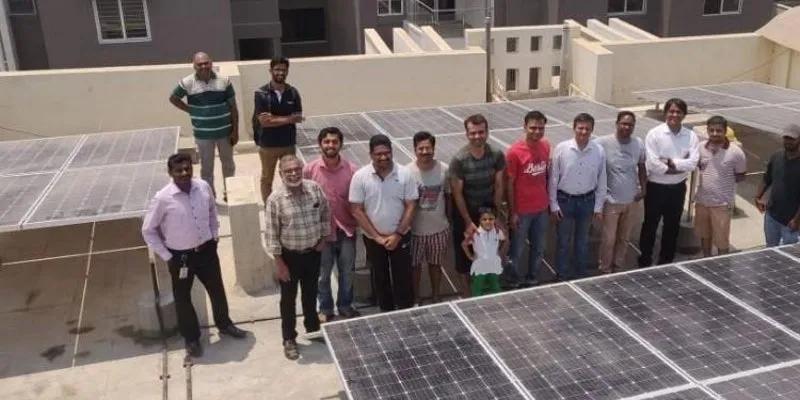
The most successful housing societies do not install solar simply because it supports sustainability. They do it because it strengthens long-term financial planning. Every unit of electricity generated through solar reduces dependence on grid power and lowers recurring operating expenses. Over time, these savings help societies manage rising maintenance costs, strengthen reserve funds, and allocate more resources towards preventive maintenance and future capital works. Government initiatives such as PM Surya Ghar Yojana, applicable solar subsidy schemes, MNRE guidelines, and net metering regulations can improve project economics in certain situations. However, societies should not postpone technically viable projects while waiting for future incentives. A financially sound solar project should remain attractive because of its long-term electricity savings, even without additional subsidies. Solar should be viewed alongside other long-term infrastructure investments such as rainwater harvesting, water recycling, and energy-efficient building upgrades. Housing societies that evaluate solar proactively are better positioned to plan financing, schedule installation efficiently, and complete projects without unnecessary urgency. The objective is not simply to install solar panels. It is to build a financially stronger and more sustainable housing society.
Conclusion
Housing societies rarely delay solar because they oppose sustainability. Most delays occur because technical, financial, and operational information is not evaluated through a structured decision-making process. Every delayed decision postpones the point at which the society begins benefiting from lower electricity expenses and greater financial predictability. The solution is not to rush into installation but to begin with the right process. A structured feasibility study, accurate consumption analysis, transparent financial evaluation, and comparable technical proposals give committees the clarity they need to make responsible decisions. Solar is no longer only an environmental initiative. It has become an important part of financial planning for modern housing societies. The societies that benefit the most will not necessarily be those that install solar first. They will be the ones that evaluate it early, plan it carefully, and execute it at the right time.