Why Housing Society Committees Struggle to Take Tough Decisions
Published: 27th Jul 2026•By BlockPilot
Co-Op Housing Insights
Consensus vs Leadership: Why Housing Societies Get Stuck
Why do housing society committees struggle to make tough decisions? Housing society committees often struggle to make tough decisions because of member resistance, fear of conflict, lack of data, incomplete documentation, financial concerns, and pressure to maintain consensus. Delayed decisions frequently increase costs, risks, and future liabilities.
1. Consensus Is Valuable, But It Is Not Always Leadership
Most housing society committees genuinely want to act in the best interests of residents. As a result, committees often spend significant time trying to achieve complete consensus before moving forward with important decisions. While consensus has value, it can sometimes become an obstacle when urgent action is required. Whether the issue involves major repairs, redevelopment, water conservation measures, solar projects, fire safety upgrades, or maintenance increases, committees frequently delay decisions because they fear disagreement among members. The result is that obvious problems remain unresolved while discussions continue. A housing society rarely suffers because there was too much leadership. More often, it suffers because necessary decisions were postponed while everyone waited for complete agreement.
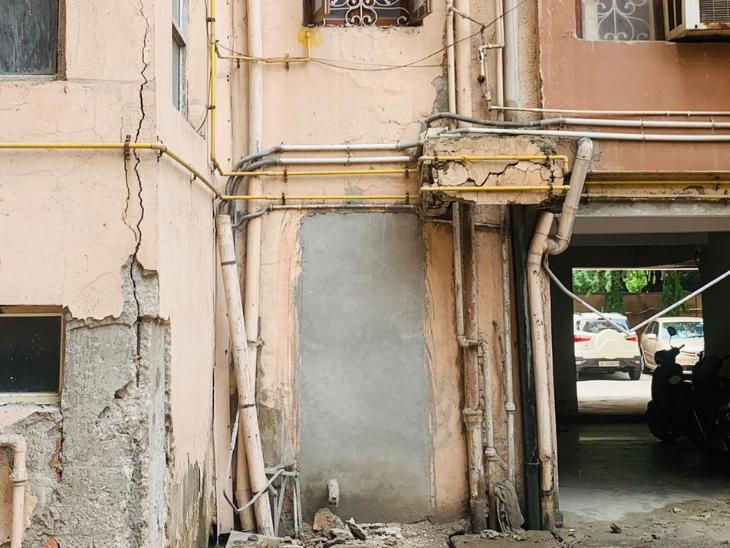
One of the most common patterns in housing society management is that delayed decisions almost always increase future costs. A waterproofing project delayed for two years may become a structural repair project. A lift modernization project postponed repeatedly may eventually become an emergency replacement. A redevelopment discussion ignored for years may result in escalating repair liabilities and declining building conditions. Many housing society committees believe delaying decisions reduces risk. In reality, delay often transfers risk into the future while increasing financial exposure. The challenge is not that committees do not understand the issue. The challenge is that they underestimate the cost of waiting. In many cases, the most expensive decision is not the wrong decision. It is no decision at all.
3. Governance Becomes Difficult When Information Is Incomplete
Many housing society decisions become contentious because members are asked to vote on issues without sufficient information. Technical reports may be missing. Cost estimates may vary significantly. Vendor comparisons may be incomplete. Important documents may not be available for review. Under such circumstances, consensus becomes difficult because stakeholders are evaluating assumptions rather than facts. This is similar to housing society accounting mistakes where decisions are made without complete financial visibility. Incomplete records often contribute to society audit issues and reduce confidence in committee recommendations. Strong governance depends on clarity. When data improves, decision-making improves. The quality of decisions is often directly linked to the quality of information available.
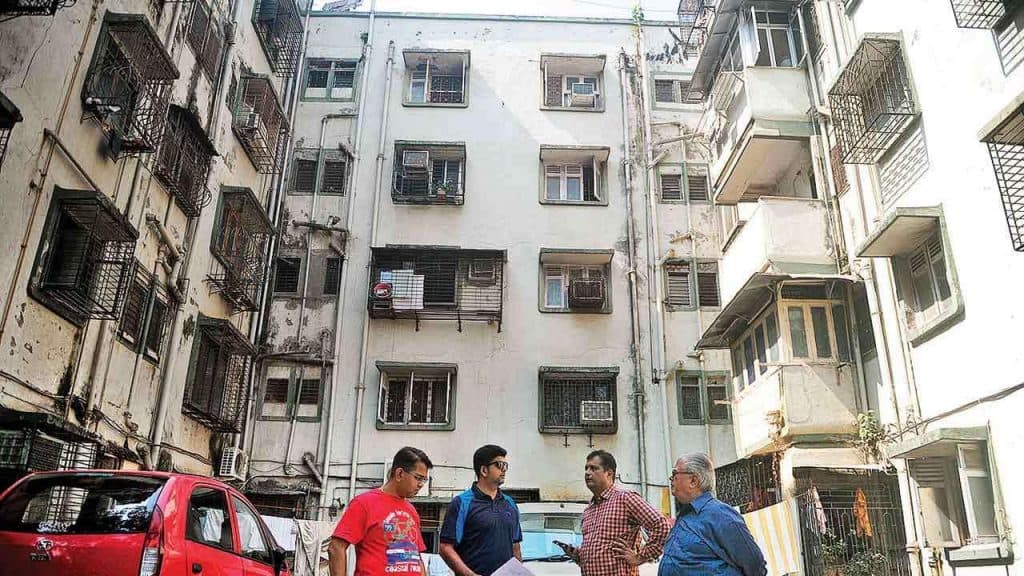
Many committee members avoid difficult discussions because they want to maintain harmony within the housing society. While this intention is understandable, avoiding conflict does not eliminate problems. In fact, unresolved issues frequently become larger and more expensive over time. Maintenance increases, redevelopment discussions, parking policies, infrastructure investments, vendor disputes, and capital expenditure decisions often create differing opinions. These differences are normal in any community. Leadership does not mean eliminating disagreement. Leadership means creating a structured process through which decisions can be evaluated fairly and implemented responsibly. Housing societies that avoid every difficult conversation often face much larger challenges later.
5. Leadership Requires Structure, Not Personalities
Many people assume strong housing society leadership depends on strong individuals. In reality, the most successful societies rely on strong systems. Clear governance frameworks, transparent communication, documented processes, technical evaluations, financial planning, and defined decision-making mechanisms reduce dependence on individual personalities. When committees have access to proper documents, technical assessments, vendor comparisons, feasibility studies, and financial analysis, difficult decisions become easier to justify and implement. This is one reason why well-managed housing societies often make faster and better decisions. They do not necessarily have fewer challenges. They simply have better structures for addressing them. Good governance converts difficult decisions into manageable processes.
Conclusion
Most housing society committees do not struggle because they lack commitment. In fact, many committee members invest significant time and effort trying to protect the interests of residents. The challenge is that important decisions often become trapped between consensus, uncertainty, incomplete information, and fear of disagreement. The issue is not a lack of effort. It is a lack of structure, clarity, and control. Leadership in a housing society is not about making popular decisions. It is about making informed decisions at the right time. Because when committees delay difficult choices for too long, the decision rarely disappears. It simply becomes more expensive, more urgent, and more difficult to solve.