Fire Audits vs Real Safety: The Readiness Gap in Housing Societies
Published: 29th Sep 2026•By BlockPilot
Co-Op Housing Insights
A fire audit may identify risks, but real safety depends on whether a housing society can respond effectively during an emergency. Learn why compliance reports alone aren’t enough and how regular testing, maintenance, training, and preparedness build genuine fire readiness.
Why is a fire audit not the same as fire readiness?
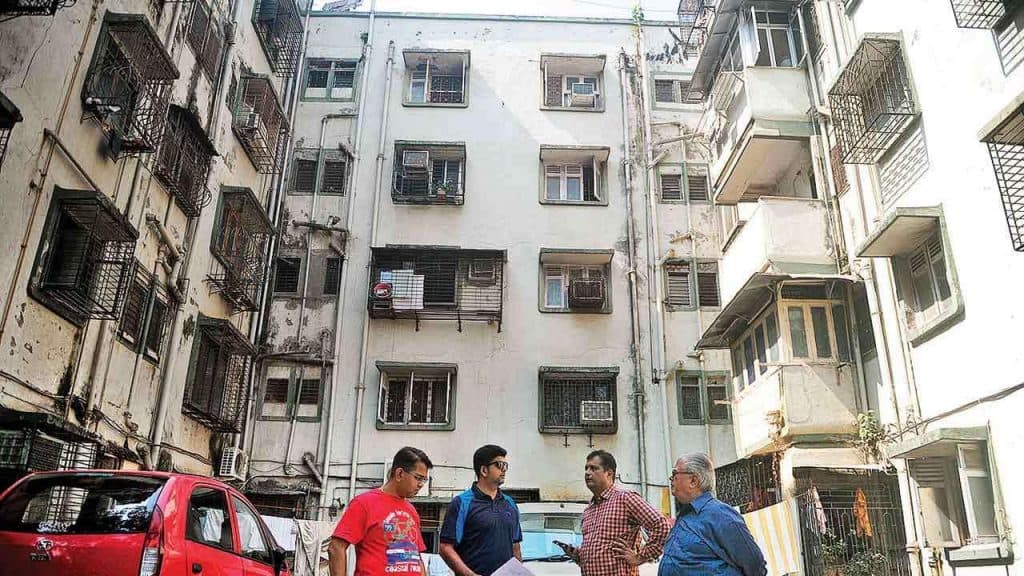
A fire audit helps identify gaps in a building’s fire safety systems and compliance. However, a society is truly fire-ready only when its equipment works, emergency procedures are understood, residents and staff know what to do, and the entire system can function under real emergency conditions. Fire safety is one of a housing society’s most critical responsibilities. High-rise buildings depend on fire pumps, hydrants, sprinklers, fire alarms, emergency lighting, fire extinguishers, evacuation routes, fire doors, and other systems to protect residents during an emergency. Most societies understand the importance of conducting fire audits. Reports are obtained, observations are recorded, and recommendations are discussed during committee meetings. Yet a significant gap can exist between identifying a fire safety issue and being genuinely prepared to handle a fire emergency. A fire audit can help identify fire-safety gaps and deficiencies. Readiness determines whether the society can respond when something actually goes wrong.
1. A Fire Audit Identifies Gaps, But Does Not Fix Them
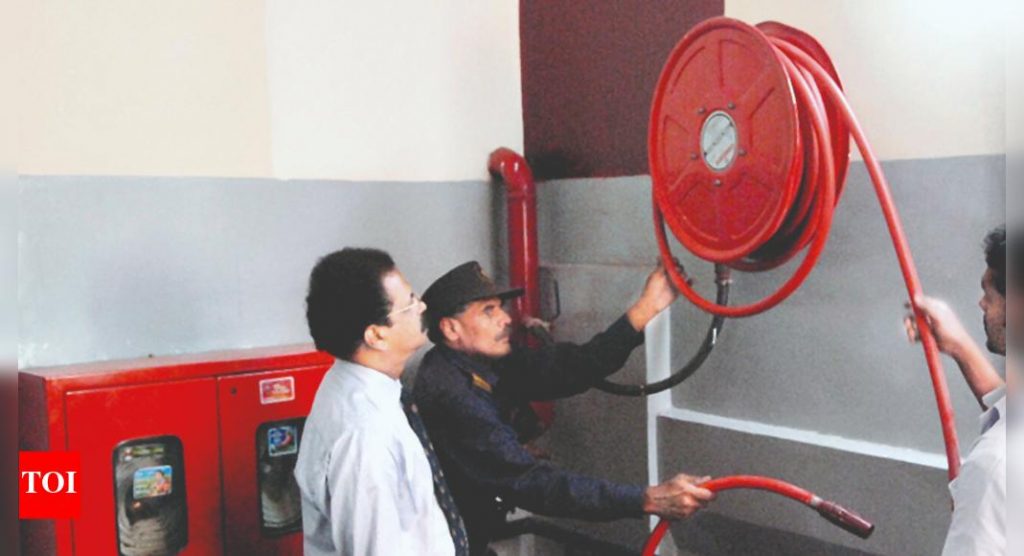
A fire audit is an important starting point. It can identify non-functional equipment, missing signage, blocked fire exits, inadequate maintenance, documentation gaps, or other safety concerns. However, receiving an audit report does not automatically make a building safer. If the report identifies a defective fire pump but the pump remains unrepaired for months, the society has identified the problem without solving it. Similarly, if fire extinguishers are expired, hydrants are inaccessible, alarms are not functioning, or emergency exits remain obstructed, compliance documentation alone provides little protection. The real value of an audit lies in what happens after the report is received. Every observation should lead to an action, responsibility, timeline, and follow-up. Fire safety improves when identified risks are actually closed.
2. Equipment Must Work When It Is Needed
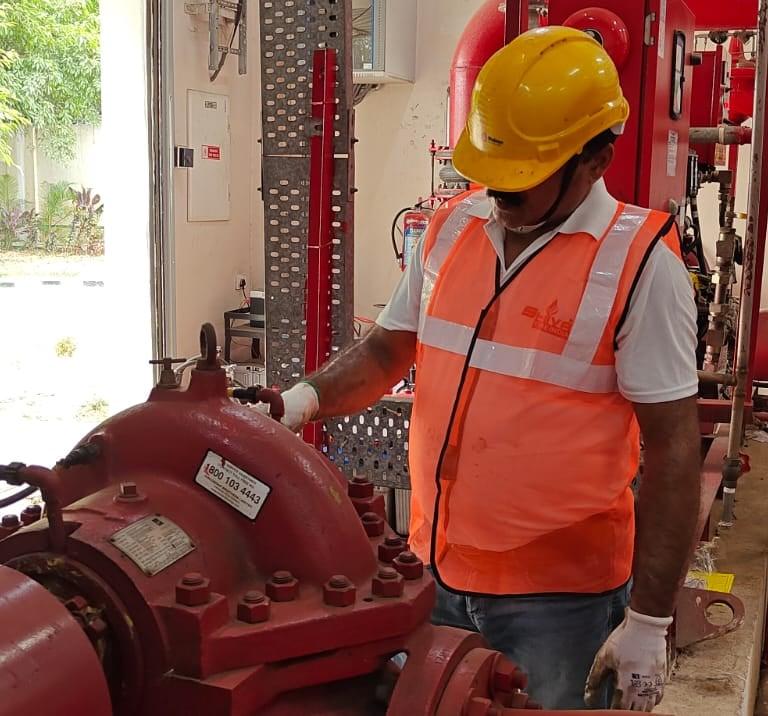
Fire safety systems are often invisible during normal building operations. Residents may rarely see the fire pump operate or test an emergency alarm. This can create a false sense of security. A society may have a complete fire safety installation, but the critical question is whether every component will function when required. Fire pumps must operate. Water must reach the required points. Fire alarms must be activated. Emergency lighting must work. Fire extinguishers must be accessible and within validity. Fire doors must close properly. Staircases and evacuation routes must remain clear. Regular inspection and testing are therefore more important than simply having the equipment installed. Fire safety is not about owning equipment. It is about ensuring that the equipment is operational.
3. Maintenance History Matters More Than a One-Time Inspection
Fire safety cannot be treated as an annual activity. A system that works during an audit may develop a fault several months later. Pumps can fail, batteries can discharge, alarms can malfunction, valves can become inaccessible, and equipment can deteriorate. Societies should therefore maintain proper records of testing, servicing, breakdowns, repairs, replacement of components, and vendor visits. A simple maintenance history can reveal recurring problems. If the same pump repeatedly develops faults or the same alarm system requires frequent repairs, the committee should investigate the underlying issue instead of repeatedly treating each failure as an isolated incident. Fire readiness depends on continuous maintenance, not periodic inspection.
4. Residents and Staff Are Part of the Fire Safety System
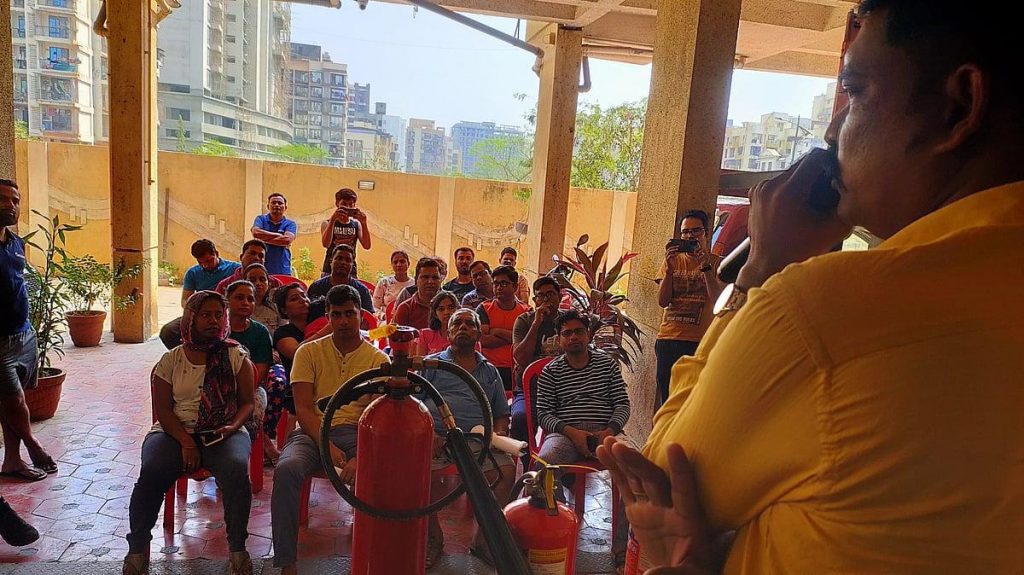
Even the best fire safety infrastructure cannot compensate for an unprepared building community. Security guards, housekeeping staff, maintenance teams, committee members, and residents should understand basic emergency procedures. They should know evacuation routes, emergency exits, alarm procedures, assembly areas, and whom to contact during an emergency. Staff members in particular play an important role because they may be present when an incident begins and can initiate the first response before external emergency services arrive. Fire drills and awareness sessions help convert written procedures into practical knowledge. A society should not discover during an actual emergency that nobody knows where the fire pump room is, how the alarm works, or which staircase should be used for evacuation.
5. Blocked Exits Can Turn a Small Fire Into a Major Emergency
One of the simplest fire safety requirements is also one of the most frequently compromised: keeping evacuation routes clear. Staircases, corridors, fire exits, refuge areas, and access routes must remain usable during an emergency. Storage of household materials, furniture, cycles, boxes, or other objects in these areas can create serious risks. During normal conditions, such obstructions may appear harmless. During a fire, smoke, panic, reduced visibility, and crowd movement can make even a small obstruction dangerous. Regular physical inspections are therefore necessary. A fire readiness check should not be limited to equipment rooms and documents. It should include the actual paths residents would use during an emergency.
6. Emergency Preparedness Must Be Tested, Not Assumed
Many societies have emergency procedures documented on paper. The real question is whether those procedures work in practice. A society should periodically test its emergency response. Can the alarm be activated quickly? Does the security team know whom to call? Are emergency contact numbers available? Can residents identify the nearest exit? Are fire doors accessible? Can the fire pump be started when required? Is the fire brigade access route clear? Practical drills expose gaps that paperwork cannot reveal. The objective of a fire drill is not simply to complete a formal requirement. It is to identify weaknesses before an actual emergency exposes them.
7. Fire Safety Is a Governance Responsibility
Fire safety is often delegated entirely to a vendor or facility management team. While technical professionals are essential, the Managing Committee has an important governance role for ensuring that safety systems are properly maintained and deficiencies are addressed. Committees should regularly review fire safety status, pending observations, maintenance records, testing reports, recurring failures, staff training, and emergency preparedness. Before considering the society fire-ready, every committee should ask: Are all critical fire safety systems currently operational? When were the fire pumps, alarms, hydrants, extinguishers, and emergency systems last tested? Are there any unresolved observations from the latest fire audit? Who is responsible for closing each identified issue? Are evacuation routes and fire exits completely clear? Do security and maintenance staff know what to do during an emergency? When was the last fire drill conducted? Would a new committee member be able to understand the society’s complete fire safety history? These questions shift the focus from documentation to preparedness.
Conclusion
A fire audit is an essential part of responsible housing society management, but it should never be mistaken for actual fire readiness. A report can identify a defective pump. A maintenance process ensures that the pump is repaired. A fire drill can reveal whether people know how to respond. Regular testing can confirm whether the system actually works. Proper governance ensures that identified risks do not remain unresolved. Fire safety is therefore not a document that is completed once a year. It is a continuous process of inspection, maintenance, testing, training, and follow-up. The difference between fire compliance and fire readiness is simple: compliance asks whether the required systems and records exist. Readiness asks whether the society can actually respond when an emergency occurs.
A fire audit identifies the gap. Real safety closes it. #HousingSocietyManagement #FireSafety #FireReadiness #FireAudit #SocietyGovernance #HousingSocieties #BuildingSafety #FireCompliance #CommitteeManagement #BlockPilot