Building Community Through Events: How Event Managers Foster Connection in Cooperative Housing Societies
Published: 11th Dec 2024•By BlockPilot
BlockPilotPRO
Event Managers in cooperative housing societies are essential for fostering connections and building vibrant communities. In today’s rapidly evolving technology ecosystem, where virtual interactions often replace face-to-face communication, the importance of personal connection cannot be overstated. While digital platforms offer convenience, they have also contributed to feelings of alienation and psychological challenges. In this context, cooperative housing societies, guided by skilled Event Managers, provide residents with spaces to interact, form relationships, and cultivate a sense of belonging, addressing the need for meaningful human connections.
Why should we foster connections?
In today’s quickly evolving technology ecosystem, where virtual interactions frequently replace face-to-face communication, the value of personal connection cannot be understated. Despite its convenience and efficiency, digital platforms have led to individuals’ feelings of alienation and other psychological disorders. In this environment, cooperative housing organizations play an important role in providing inhabitants with a physical area to interact with one another, form relationships, and create a sense of belonging.
Every successful cooperative housing society relies on its residents’ strong feelings of loyalty. This allegiance fosters a sense of belonging while also encouraging active participation in communal issues. Maintaining this coherence amid modern society’s complexities, on the other hand, provides unique obstacles. As people get more immersed in their own lives and routines, the necessity for deliberate attempts to strengthen community relationships becomes clear.
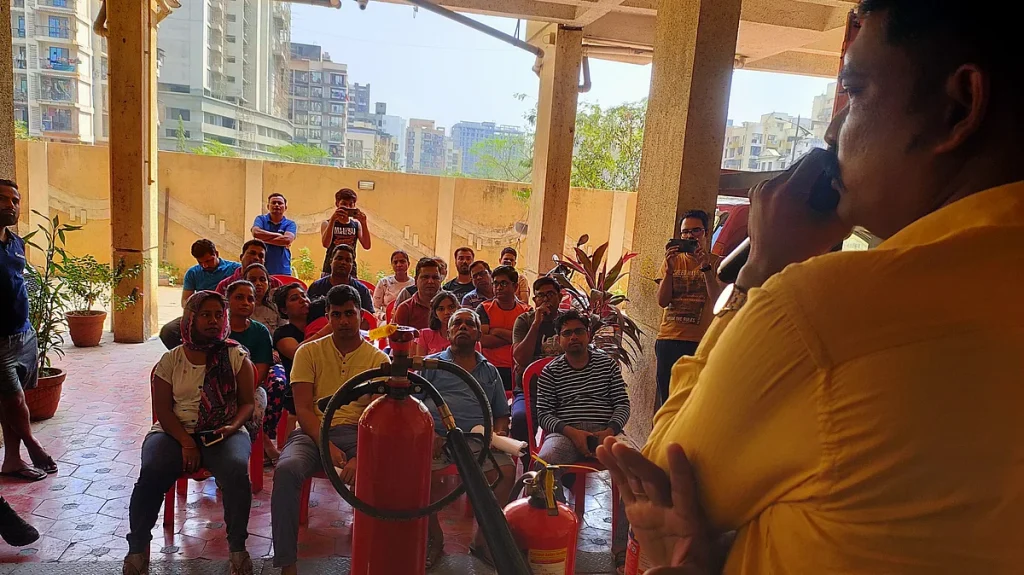
Well-planned events are one of the most successful ways to foster connection and community building inside cooperative housing communities. These activities provide opportunities for residents to get together, share experiences, and celebrate cultural programs, along with enjoying the amenities of the society in civility. Whether it’s organizing entertainment
programs, cultural festivals, or group discussions, each event provides residents a way to engage on a more personal level.
Importance of an Event Management Team
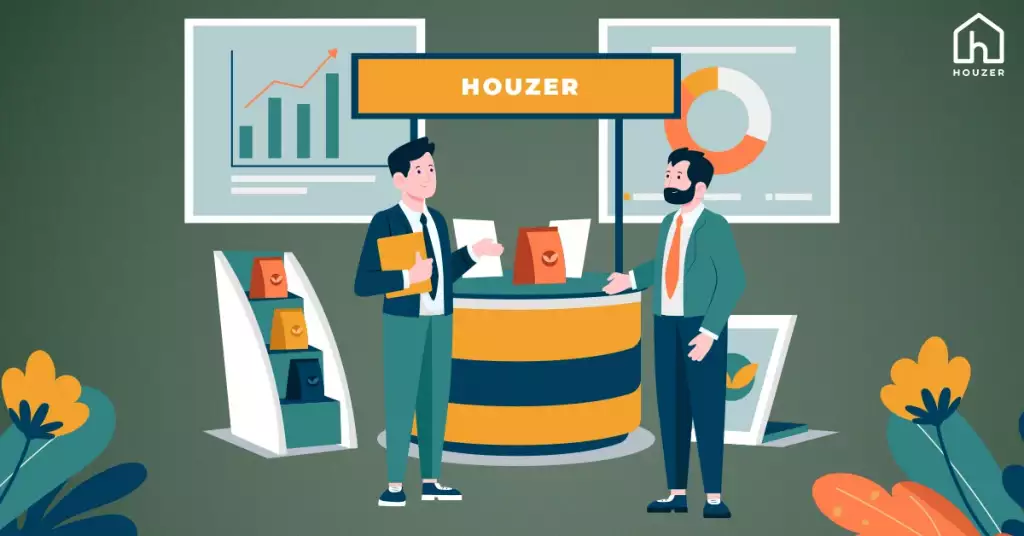
Professionally managed events are critical to guaranteeing the success of these initiatives. Event organizers bring expertise and organization to the table by managing logistics, getting sponsorships from local businesses, and ensuring that each event runs smoothly. Event organizers use their expertise to enable society members to celebrate, communicate, and have a shared experience.
Cultural programs and festival celebrations are especially important in encouraging cultural diversity and inclusivity within cooperative housing societies. These events promote the community’s diverse cultures, generating a sense of unity. Furthermore, group conversations during events allow residents to express their viewpoints, share ideas, and engage in communal decision-making processes, thereby building community relationships.
Role of Event Managers
Event managers are important in bringing residents together and providing memorable events in cooperative housing organizations. Aside from their logistical expertise, event organizers act as catalysts for community living, bridging the gap by seeking sponsorships from local businesses. Event managers who collaborate with local businesses not only improve the quality of their events but also contribute to the community’s economic development.
Their impact on inhabitants’ lives frequently judges the success of cooperative housing projects. Case studies and success stories demonstrate the transforming potential of community events, highlighting instances in which communities have come together to celebrate, connect, and develop long-term relationships. These testimonials serve as testaments to the importance of community development in improving the overall physical and mental well-being of the members.
The desire for real human connection is more important than ever in a world where technology is constantly changing how we interact and communicate. Cooperative housing societies give inhabitants a real location to interact, work together, and rejoice as they shine as examples of a strong sense of community. These societies may foster thriving, cohesive communities where loyalty, inclusivity, and respect for one another flourish via expertly run events led by committed event managers.
Here, we present a structured approach to how event planners can navigate various aspects of event planning, celebrations, etc.
Celebration By Law
Understanding resident preferences is key to fostering a sense of belonging. Conduct surveys and polls to ensure events align with diverse tastes, making them relevant and well-attended. Adhere to noise regulations and local rules to avoid disturbances, especially for celebrations involving loud music. For effective event planning, create detailed plans covering logistics, budgets, and schedules. Coordinate with vendors for catering, décor, or equipment needs. Promote events through notice boards, newsletters, social media, and posters for maximum engagement. Clear communication and thorough planning ensure successful community events.
Hosting Workshops and Educational Sessions in Society.
Identifying topics is the first step to hosting relevant and educational workshops. This will attract a maximum number of people as the topics will be the results of surveys conducted previously on the residents’ interests. Other than that, inviting experts is an effective tactic. Collaborate with local experts, professionals, or volunteers within the society who can lead workshops or share their knowledge. This fosters community engagement and learning. Adding to that, arrange for necessary resources such as venue space, audiovisual equipment, and materials required for workshops. Ensure a comfortable and conducive environment for learning.
Encourage Volunteering and Collaboration
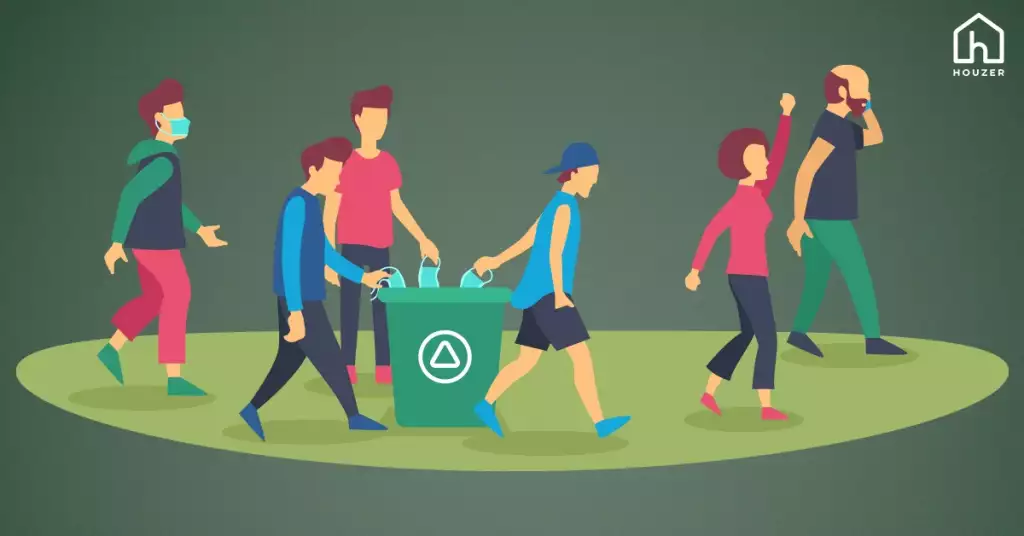
To enhance community engagement and foster a sense of collective responsibility, establishing a volunteer committee or task force dedicated to organizing and managing various community events goes a long way. This initiative aims to encourage residents to volunteer based on their interests and skills, thereby promoting active participation in
community activities. Additionally, initiate collaborative projects such as community clean- ups and fundraising campaigns, along with financial and environmental sustainability
initiatives. These projects are designed to cultivate teamwork and a shared commitment to improving our neighborhood. Involving residents in these meaningful endeavors strengthens community bonds and creates a more vibrant and inclusive community for all.
Occasions and Meetups
To enrich community connections and foster a stronger sense of belonging, implement regular events such as monthly potlucks, seasonal festivals, and holiday celebrations. These occasions will serve as opportunities for residents to socialize and deepen their bonds within the community. In addition to these gatherings, leverage online platforms and social media groups to facilitate informal meetups and establish interest-based clubs. This initiative aims to connect residents who share common hobbies or interests, encouraging meaningful interactions and expanding social interactions and social connections within a society. Combining regular events with digital platforms for meetups creates a vibrant community around which all members feel engaged and valued.
Role of Event Organiser
To ensure effective coordination and execution of events, managers must take on the role of facilitator, overseeing the smooth operation of all activities. This involves delegating tasks to volunteers or committees responsible for specific event aspects while maintaining an overarching management role. Additionally, establishing a structured feedback mechanism to gather residents’ opinions and suggestions following each event is crucial. Actively seeking community housing feedback will continuously improve the event planning processes and meet the expectations of our residents. This dual approach of facilitation and feedback integration will enhance the ability to deliver successful and enjoyable community events, thereby playing a huge role in fostering a stronger sense of engagement and satisfaction among its members.
Event managers may effectively foster collaboration, increase community participation, and create a lively living environment in cooperative housing societies by concentrating on these five crucial areas.
Let’s remain dedicated to giving community development initiatives inside cooperative housing societies top priority as we look to the future. We can establish settings where people feel appreciated, encouraged, and a part of one another by investing in meaningful connections, encouraging cross-cultural contact, and celebrating variety. By working together, we can create communities that are more resilient and robust, improving the lives of everyone who lives there.