Deferred Maintenance: The Financial Risk Housing Societies Don’t See Coming
Published: 14th Jul 2026•By BlockPilot
Co-Op Housing Insights
Many housing society committees focus on immediate repairs, annual budgets, and visible issues. However, a common challenge across urban India is that essential repairs often get postponed because they do not appear urgent. Waterproofing gets delayed, plumbing replacements are deferred, electrical upgrades are postponed, and structural observations remain pending. What appears to be a cost saving today often becomes one of the biggest financial risks for a housing society.
What is deferred maintenance in a housing society? Deferred maintenance refers to postponing essential repairs, upgrades, or infrastructure work in a housing society, leading to higher future costs, operational risks, and redevelopment challenges.
1. Small Delays Become Large Financial Problems
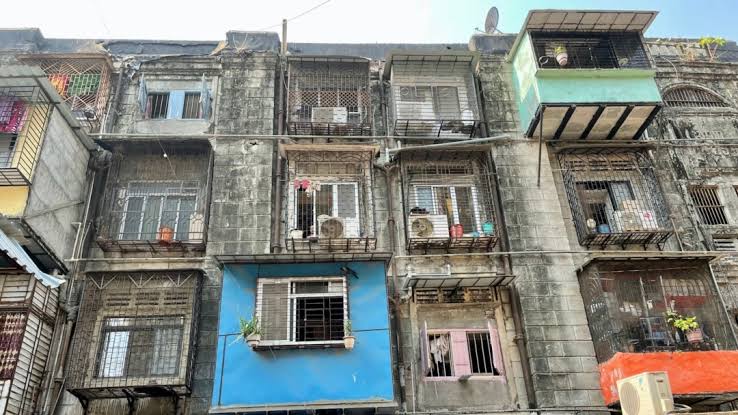
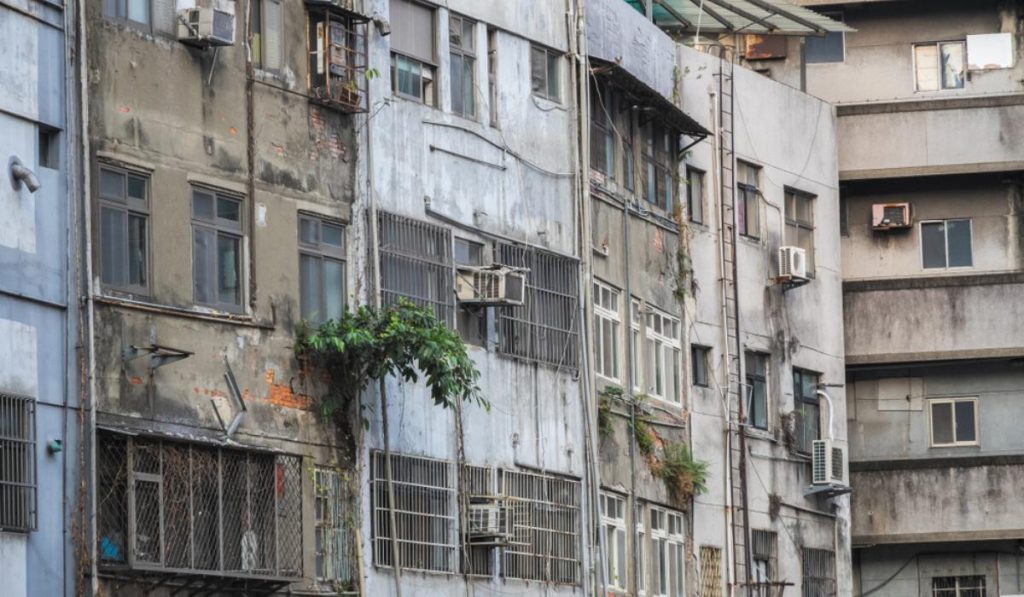
Deferred maintenance rarely starts as negligence. In many housing society buildings, repairs are delayed due to budget pressure, reserve limitations, member disagreements, or shifting priorities. A minor leakage may appear manageable, corroded pipelines may still function, and external cracks may seem cosmetic. However, these issues continue progressing silently. Across ageing buildings, especially in Mumbai, years of deferred maintenance often lead to emergency spending, major repairs, and pressure for redevelopment. Strong governance means identifying problems before they become liabilities. Just as committees keep records to reduce housing society accounting mistakes and audit issues, infrastructure health also needs structured monitoring. Deferred maintenance is not only a technical concern. It is a financial exposure that grows over time.
2. Delayed Repairs Increase Costs Faster Than Expected
One of the biggest misconceptions in a housing society is that postponing repairs saves money. In reality, delays multiply future expenses. A waterproofing issue ignored today may later require structural repairs. Minor plumbing problems can lead to leakages, interior damage, and member complaints. Delayed electrical upgrades may increase safety and operational risks. Many committees carefully review financial documents because housing society accounting mistakes and accounting errors in housing societies India create long term challenges. Yet maintenance delays often stay outside financial discussions. Deferred maintenance behaves like hidden interest. Costs continue accumulating even when they are not immediately visible. Prevention almost always costs less than emergency execution.
Many ageing housing society buildings eventually enter redevelopment discussions. However, deferred maintenance often complicates this process. Buildings with unresolved leakages, structural deterioration, neglected services, outdated MEP systems, or incomplete documents may face challenges during technical evaluations. Societies preparing for redevelopment frequently require structural reviews, infrastructure assessments, and building records. Years of delayed maintenance reduce clarity regarding actual building conditions. Governance and infrastructure are closely connected. The same societies working to avoid housing society accounting mistakes, maintain documents, and reduce society audit issues must also track repair history and asset health. Maintenance delays should not determine redevelopment outcomes.
4. Governance Failures Often Begin With Maintenance Gaps
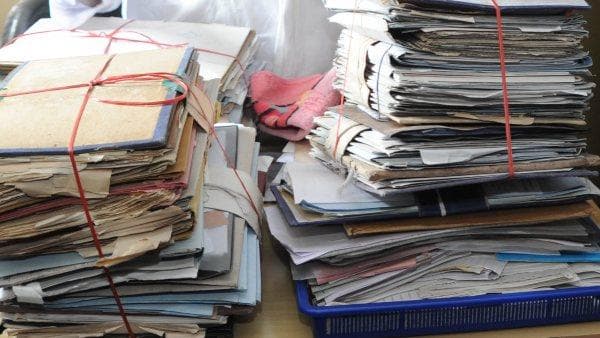
Deferred maintenance is not only an engineering issue. It is also a governance issue. When inspections are irregular, repair records are incomplete, vendor evaluations are inconsistent, and decisions are delayed, maintenance risks increase. Many societies already understand how weak systems create housing society accounting mistakes, accounting errors in housing societies India, and how to avoid audit problems in societies through better controls and documentation. Infrastructure management requires the same discipline. Maintenance schedules, inspection reports, asset registers, reserve planning, and technical reviews help committees shift from reactive repairs to structured decision making. Buildings do not deteriorate suddenly. They deteriorate gradually while decisions are postponed.
5. Maintenance Planning Is an Investment, Not an Expense
A housing society building is a long-term asset. Protecting it requires continuous planning, not only emergency responses. Deferred maintenance affects repair budgets, operating costs, member confidence, redevelopment readiness, and future asset value. Maintenance planning must therefore become part of governance strategy. Many societies invest effort in maintaining documents, strengthening governance, preventing accounting errors in housing societies in India, and understanding how to avoid audit problems in societies. Infrastructure planning deserves the same attention. The issue is not a lack of effort. Most committees work with genuine intent. The real challenge is delayed action. Housing societies rarely struggle because problems exist. They struggle when systems fail to identify and address them early. Deferred maintenance does not reduce costs. It only postpones them until they become larger, costlier, and harder to control.