Data Rich, Decision Poor: The Reality of Housing Societies
Published: 4th Aug 2026•By BlockPilot
Co-Op Housing Insights
Housing societies generate enormous amounts of financial, operational, and maintenance data every day. Learn why many societies still struggle to make informed decisions and how better information management leads to better governance.
Why are housing societies data-rich but decision-poor?
Housing societies generate vast amounts of financial, operational, maintenance, and compliance data every month. However, when this information remains scattered across registers, spreadsheets, emails, and paper files, committees struggle to identify trends, evaluate risks, and make informed decisions. Better governance begins by turning data into actionable insights. Most housing societies do not suffer from a lack of information. Every month they generate maintenance bills, electricity invoices, water consumption records, vendor quotations, complaint registers, AGM minutes, audit reports, statutory documents, bank statements, and countless emails. Yet despite having access to all this information, many Managing Committees continue facing the same recurring problems. Projects get delayed. Repairs become emergencies. Vendor disputes keep resurfacing. Maintenance costs continue rising, while important decisions are postponed from one committee meeting to the next. The problem is rarely the absence of data. The real challenge is converting that data into meaningful decisions. As housing societies become larger and building operations become more complex, the amount of information available continues to grow. Unfortunately, decision-making often does not improve at the same pace. Many societies today are data rich but decision poor.
1. Housing Societies Collect Information but Rarely Connect It
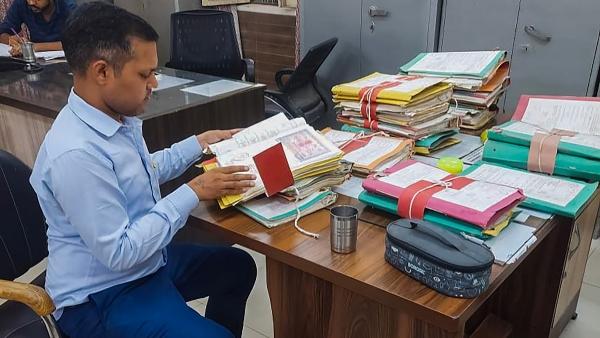
Every activity within a housing society generates valuable information. Electricity bills reveal consumption trends. Maintenance expenses indicate the health of building infrastructure. Complaint registers highlight recurring resident issues. Vendor invoices show repair history, while audit reports identify governance gaps. Unfortunately, this information usually exists in separate places. Financial records remain with the Treasurer. Technical reports are stored in office cupboards. Vendor quotations sit inside email folders. Complaint registers are maintained separately, while maintenance history often exists only in the memories of committee members or facility managers. When information remains fragmented, committees cannot see the complete picture. Decisions are made using isolated facts instead of connected insights. Collecting information is only the beginning. The real value lies in bringing it together so it can support better governance.
2. More Reports Do Not Always Lead to Better Decisions
Whenever committees face uncertainty, the natural response is to collect more information. Additional quotations are requested. Consultants are appointed. New inspections are conducted. While expert advice is important, simply increasing the amount of information rarely solves the problem. Consider a housing society planning waterproofing work. Three vendors submit three different proposals with different materials, specifications, warranties, and execution methods. The committee spends weeks comparing prices without realising that each quotation covers a different scope of work. The issue is not a shortage of information. The issue is the lack of standardisation. Unless quotations are compared on identical specifications, even the most detailed reports fail to support informed decision-making. Better decisions require structured information, not simply more documents.
3. Hidden Trends Often Go Unnoticed
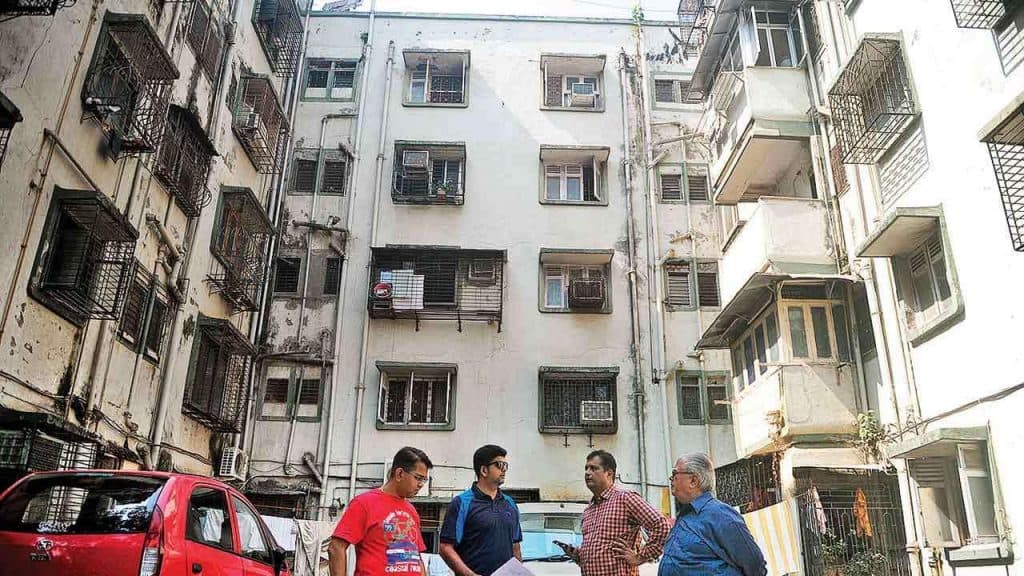
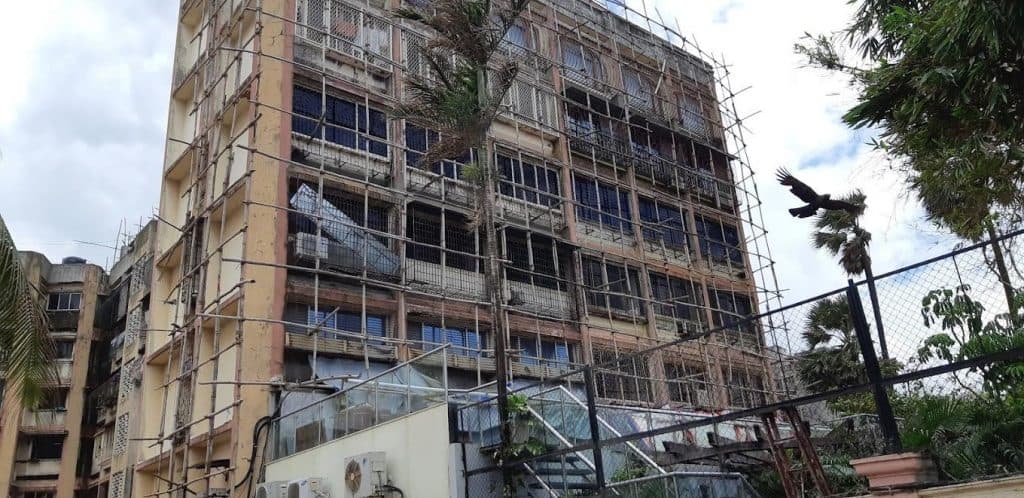
Most committees review monthly expenses because they are necessary for approving payments. However, very few societies analyse maintenance data over several years to identify long-term trends. Increasing plumbing expenses over three consecutive years may indicate ageing pipelines rather than isolated leakages. Rising electricity bills could suggest inefficient pumps, old lighting systems, or poor energy management instead of tariff increases alone. Frequent waterproofing repairs may point towards structural deterioration rather than individual seepage complaints. Viewed individually, these expenses appear routine. Viewed collectively, they reveal patterns that require strategic intervention. A housing society that repeatedly repairs lift components every few months may eventually discover that replacing or modernising the lift would have been significantly more economical than continuing endless repairs. Historical information is often more valuable than current information because it reveals trends that individual invoices cannot.
4. Decision Quality Depends on Context, Not Data Volume
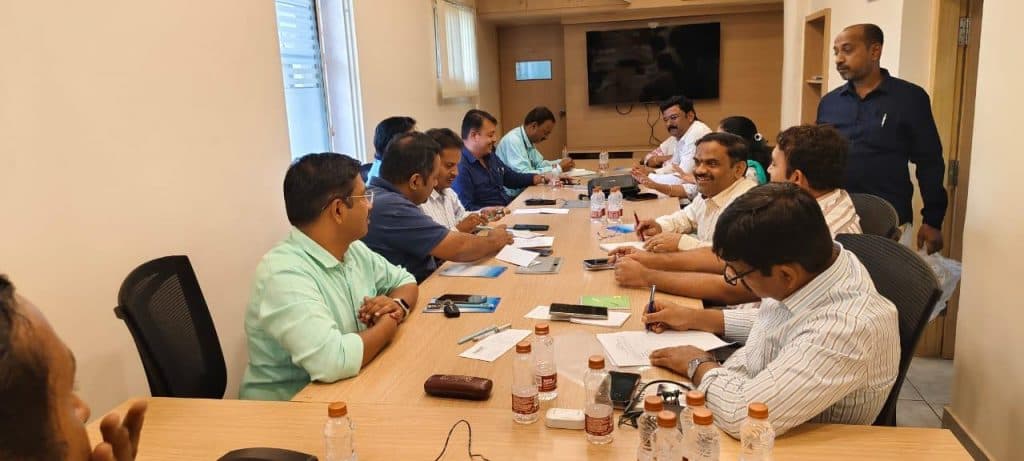
Good governance is not measured by the number of files stored in society cupboards or the size of digital folders. It depends on asking the right questions before making important decisions. Before approving a major repair, committees should understand whether similar work has been carried out previously, whether the issue is recurring, what the root cause actually is, how the proposed solution compares with past experiences, and what financial impact today’s decision will have over the next five or ten years. Data without context frequently results in reactive decisions. Selecting the lowest quotation may appear financially responsible until maintenance costs, warranty conditions, execution quality, and future repairs are considered. Similarly, postponing infrastructure upgrades may improve short-term cash flow but substantially increase long-term expenses. Good decision-making combines technical knowledge, financial planning, maintenance history, and practical experience.
5. Better Information Management Creates Better Governance
Housing societies do not necessarily need more reports, more spreadsheets, or more software. They need better information management. Asset registers should remain updated. Maintenance history should be documented consistently. Vendor performance should be reviewed after every major project. Electricity consumption, water usage, repair frequency, and financial trends should be analysed together instead of separately.
Before making major decisions, every committee should ask a few practical questions:
Are we solving the actual problem or only its symptoms?
What does our maintenance history tell us?
Has this expense occurred repeatedly over the past few years?
Are we comparing identical scopes of work across vendors?
What financial impact will today’s decision have five years from now?
When information is organised, accessible, and connected, decisions become faster, more transparent, and far more reliable. The objective is not to maintain more records. The objective is to transform information into better governance.
Conclusion
Every housing society already possesses valuable information. The real opportunity lies not in collecting more data but in using existing information more effectively.
As buildings continue to age and society operations become increasingly complex, committees that rely solely on experience or isolated reports will struggle to manage future challenges. Those that organise information, identify trends, and use evidence to guide decisions will be better prepared for maintenance planning, financial management, redevelopment, sustainability initiatives, and long-term governance. Housing societies do not become well managed because they generate more data. They become well managed because they convert information into informed action.