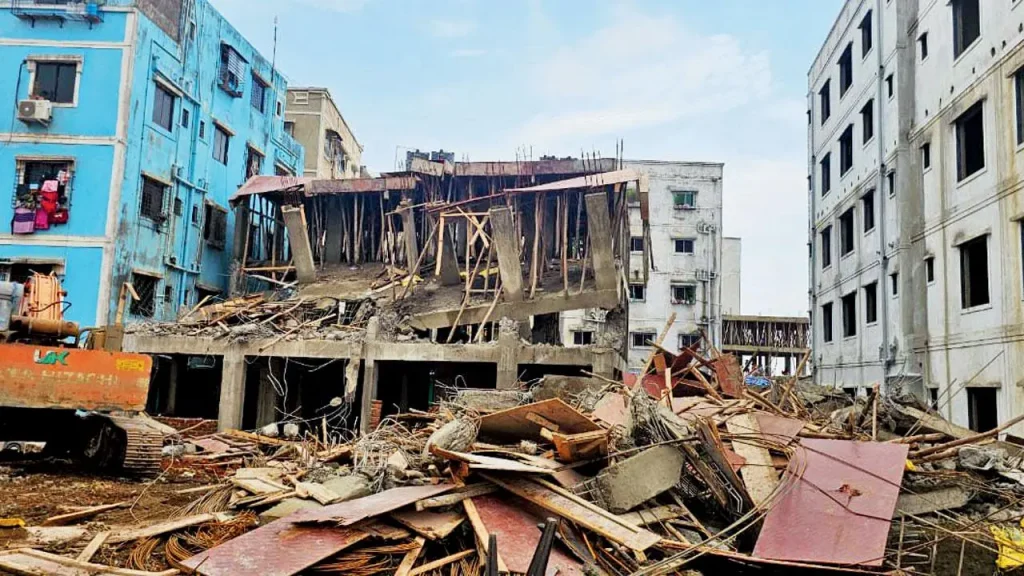
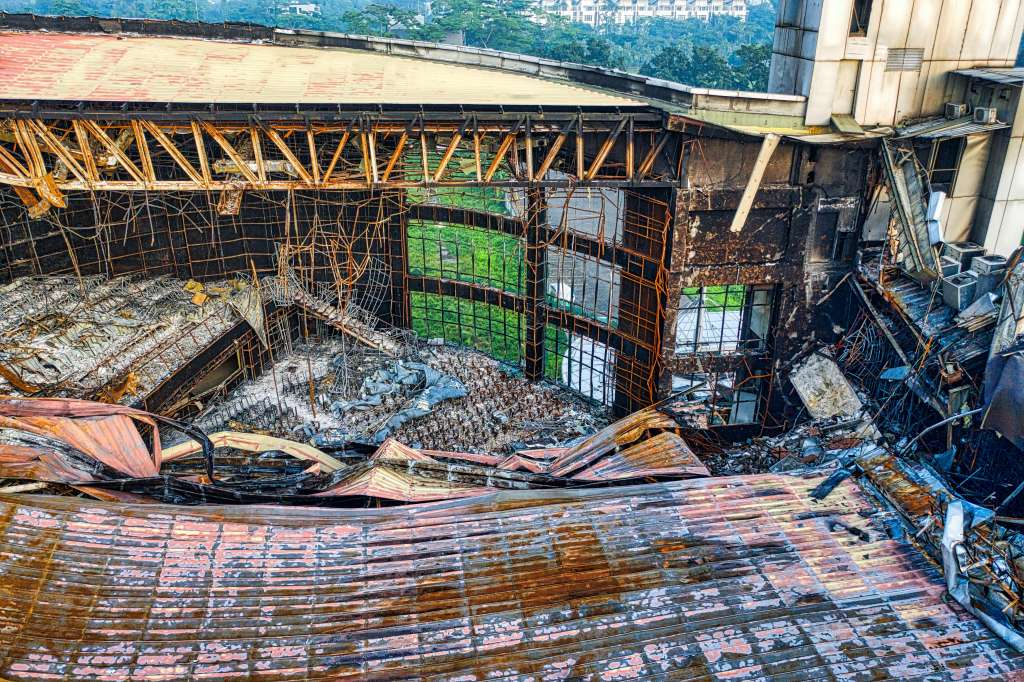
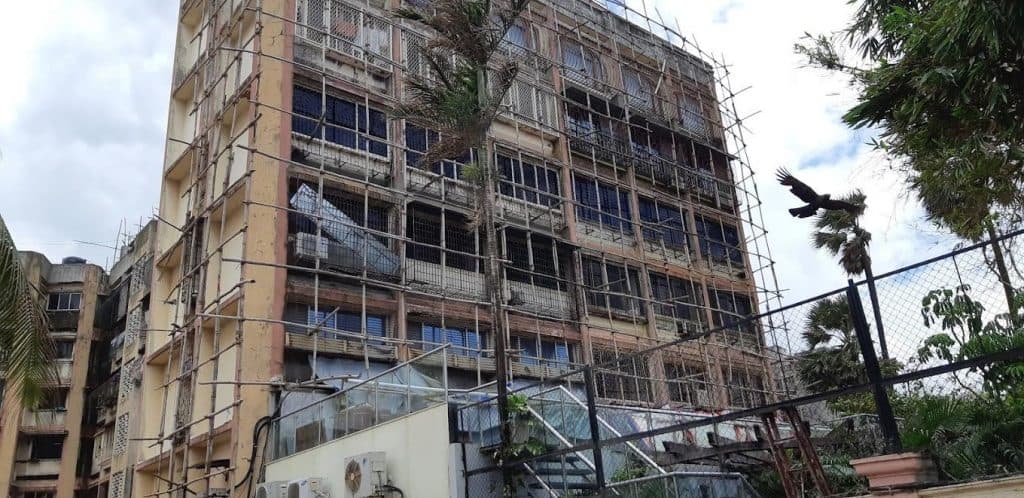
How many times have you seen an article in the news that talks about a building collapse in Mumbai? Every year, particularly in the monsoon season, the city sees a sharp increase in reports of building collapses, with some occurring not even days apart.
As per the BMC, there have been over 1800 structural collapses in the city since 2018. These collapses have led to 99 deaths and 376 injured persons. In 2021 alone the number was at 228 buildings. Between 2013 and 2019, 200 people lost their lives while 1200 people were injured due to building collapses. These incidents are devastating and cause massive loss of life and property. A mix of elements such as poor/illegal construction, extreme monsoons, and badly maintained older buildings cause such tragedies. Let’s look at a few examples from the past few years to understand the problem better.
Year
Collapse
Loss of Life & Injuries
Notes
2022
Naik Nagar Housing Society in Kurla
19 deaths and 23 injured
The building had been served notices for repair in 2013 due to the state of the structure. In 2016, the BMC cut off the water supply and electricity to get the residents to vacate. The residents responded by providing a structural report that claimed the building was still repairable.
2021
Khatri Apartment in Thane
2 deaths
The building was 25 years old and officials who inspected the building post the incident said that it was dilapidated. This slab collapse led to the evacuation and sealing of an entire wing of the society.
2020
Bhanushali Building in the Fort Area of Mumbai
9 deaths
The building was over 80 years old and in very poor condition. Tenants had already received approval for redevelopment but pandemic-related delays meant that the structure broke down before the project even began.
2019
Kesarbai in Dongri
14 deaths and 9 injured
The structure was over 40 years old and dilapidated.
Key Takeaways
So, why do so many buildings in Mumbai collapse and what do these examples show us?
The first key takeaway is that the most basic reason for a building collapse is a lack of structural integrity. The reasons may include –
Corrosion and structural damage due to water leakage
Age-related wear and tear of the structure
Damage done due to natural disasters
Illegal construction – includes removal/additions of pillars and walls
Poor construction materials
Destabilization of the foundation of the building
Mumbai’s location as a coastal city built on islands means that in addition to its humid and saline air, it faces risks from unstable land and rising sea levels. Heavy flooding during the monsoon season is also a yearly occurrence now. These are all factors that make it harder for Mumbai buildings – causing them to structurally deteriorate at a much faster pace.
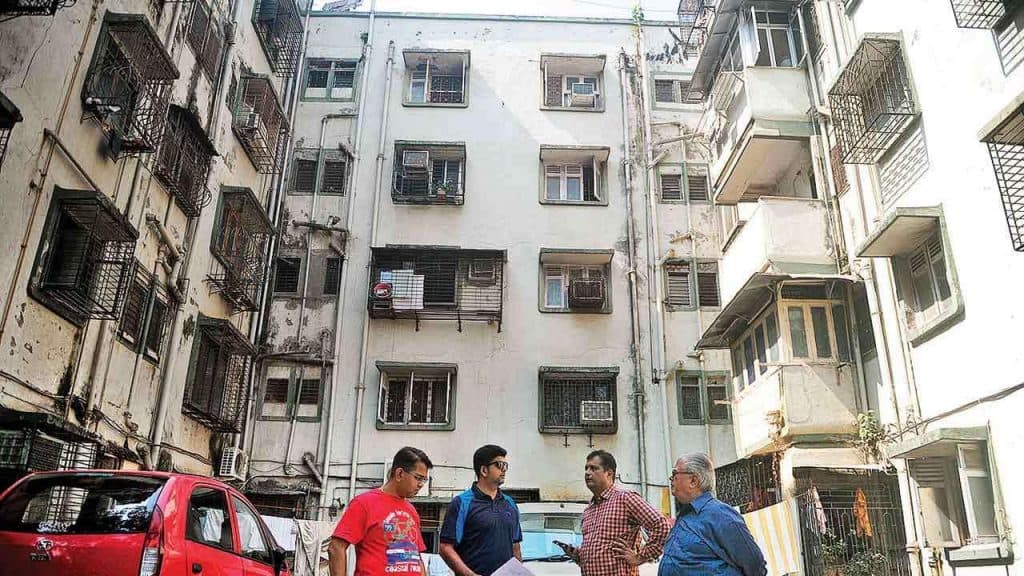
The next takeaway is that it is absolutely necessary to leave your building if it has been deemed unsafe. In many collapse cases, we find out that despite the building being in very poor condition many residents choose to continue staying and risking their lives. Instead of opting for redevelopment, many residents renovate the interiors of their homes and continue living whilst ignoring the reality of their situation. Getting a structural audit done at government-mandated intervals will also help you understand the current state of your building.
Another key element is that the government compensation given to those affected by such tragedies is mostly limited to monetary compensation for the deceased or injured. If your building collapses, there isn’t a way to get alternate housing without finding it yourself.
Our final takeaway is that if you’re living in an old building in Mumbai, redevelopment is the best way forward. When it comes to the safety of those who are important to you, staying in a dilapidated building could become a matter of life and death. Opting to start the redevelopment process when your building is still in decent condition means that you get ample time to find a redevelopment option that’s in the best interest of all the residents.
Regardless of the reason, the loss and pain caused by a building collapse is immeasurable. Building collapses are almost always man-made disasters that can be prevented by timely action and responsible decision-making. If you’re in a building that is at risk, then for the safety of your loved ones choose redevelopment.