Why Waterproofing Fails Even After Spending Lakhs in Housing Societies
Published: 13th May 2026•By BlockPilot
Co-Op Housing Insights
Most housing societies believe that once waterproofing is done, leakage problems are solved for years. In reality, most waterproofing failures begin the day the work is completed.
Across Mumbai and urban India, societies spend lakhs on terrace waterproofing, external wall treatments, podium repairs, and bathroom leak solutions. Yet within one or two monsoons, seepage returns. Members lose trust, committees face pressure, and the same areas are repaired again. The issue is rarely the budget or even the material. The real problem lies in how waterproofing is understood, planned, and executed. For Managing Committees and decision-makers, it is important to recognise why waterproofing fails and how to avoid repeat failures.
1. Treating Waterproofing as a Product, Not a System
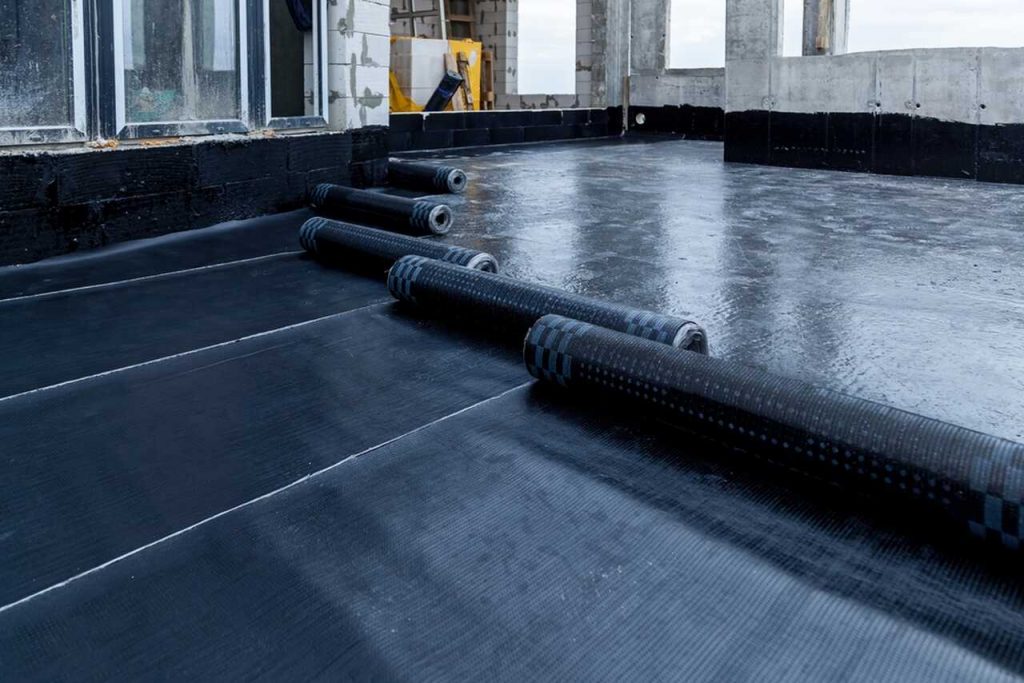
Many societies believe waterproofing is about selecting the right chemical or brand. In reality, waterproofing is a system that depends on surface condition, slope, drainage, joints, and application method. When focus is only on material, and not on system design, the solution becomes incomplete. Even the best products fail if the overall system is weak.
2. No Proper Root Cause Analysis
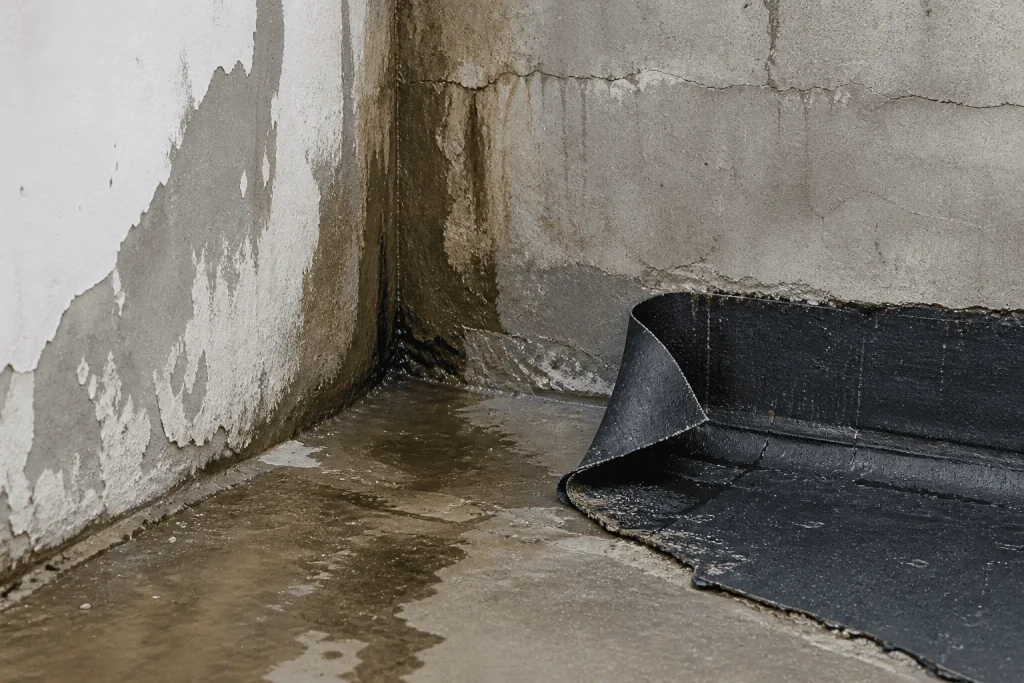
Leakage is often treated at the surface level without identifying the actual source. Water may enter from terrace cracks, plumbing lines, external walls, or construction joints, but appear at a different location inside the flat. Without proper diagnosis, treatment is applied in the wrong area. This leads to temporary relief, followed by recurring issues.
3. Ignoring Structural Cracks and Civil Defects
Waterproofing cannot compensate for structural problems. If cracks, honeycombing, or damaged plaster are not repaired properly before waterproofing, water will find its way through these weak points. In many societies, civil repairs are either skipped or done superficially, leading to failure of the waterproofing layer.
Surface preparation is one of the most critical steps in waterproofing. If the surface is not cleaned, levelled, and treated properly, bonding between the substrate and waterproofing layer becomes weak. Dust, moisture, and loose particles reduce adhesion, causing early failure. This is one of the most common reasons waterproofing fails, even after significant spending.
5. Improper Slope and Drainage Planning
Waterproofing is not just about stopping water. It is also about ensuring water flows correctly. Flat terraces, clogged drains, and improper slopes lead to water stagnation. Standing water increases pressure on the waterproofing layer and accelerates damage. Without correcting the slope and drainage, waterproofing becomes a temporary solution.
6. Application Without Following Technical Process
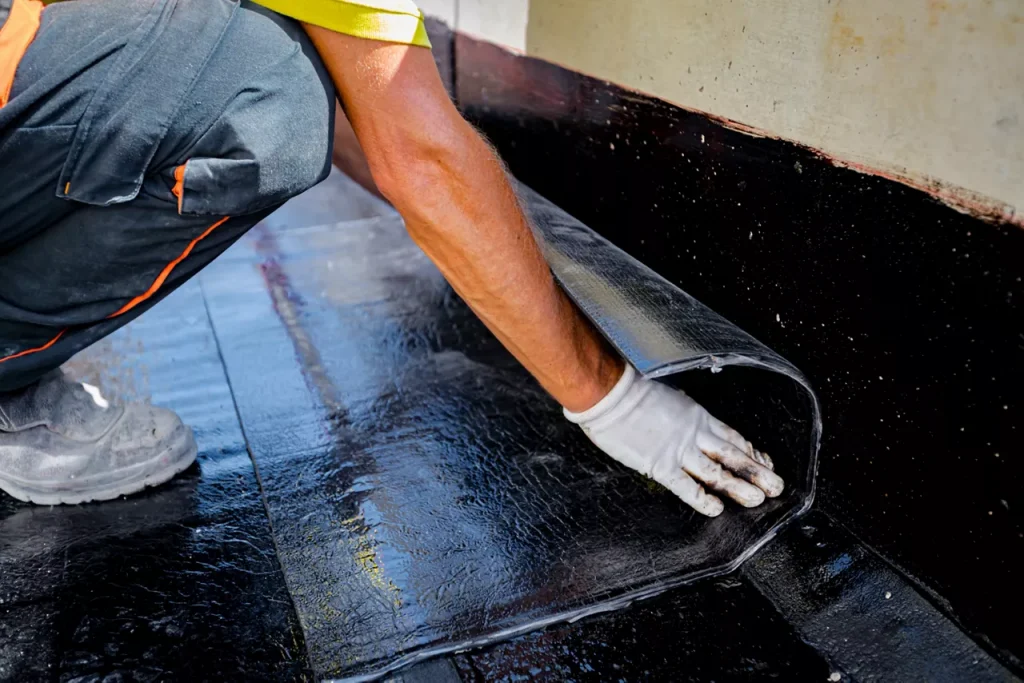
Waterproofing requires strict adherence to application procedures. This includes correct mixing ratios, layer thickness, curing time, and sequence of application. In many projects, these steps are rushed or skipped to save time. Without process discipline, even good materials fail to perform.
7. Using Short-Term Solutions for Long-Term Problems
Societies often opt for quick fixes such as coating over existing surfaces without addressing underlying issues. These solutions may work for one season but fail during the next monsoon. Long-term problems require comprehensive treatment, not patchwork. Cost-saving decisions at this stage lead to repeated expenditure later.
8. Lack of Integration Between Civil, Plumbing, and Waterproofing Work
Leakage issues are rarely isolated. They are often linked to plumbing lines, drainage systems, and structural conditions. However, waterproofing is frequently treated as a standalone activity. Without coordination between civil, plumbing, and waterproofing work, gaps remain in the system.
9. No Stage-Wise Supervision and Quality Checks
Waterproofing is a multi-stage process. Each stage needs inspection and approval. In many societies, once the contractor is appointed, work proceeds without proper supervision. There are no checkpoints for surface preparation, application, or curing. This results in errors that are not visible immediately but lead to failure over time.
10. Over-Dependence on Vendor Assurance
Committees often rely completely on contractor promises, such as warranties and guarantees. However, warranties are only as good as execution. If the process is flawed, warranties do not prevent failure. Technical validation and monitoring are more important than verbal assurances.
11. Ignoring Maintenance After Waterproofing
Waterproofing is not a one-time activity. Drain outlets need to be cleaned, surfaces need periodic inspection, and minor cracks need early repair. Without maintenance, even a well-executed system can deteriorate. Societies that ignore post-work upkeep often face repeated leakage issues.
12. No Documentation or Technical Record Keeping
Most societies do not maintain proper records of waterproofing work. Details such as areas treated, materials used, application method, and contractor scope are not documented clearly. This creates confusion during future repairs. Without records, every new committee starts from scratch, repeating past mistakes.
The BlockPilot Perspective
At BlockPilot.co, we see that waterproofing failures are rarely due to a lack of spending. They are due to a lack of structured execution. Waterproofing is not a line item in maintenance. It is a technical process that requires diagnosis, planning, coordination, and supervision. When societies approach waterproofing as a system rather than a product, outcomes improve significantly. Costs reduce over time, and member complaints decrease. Our focus is on helping societies connect technical understanding with on-ground execution, so that problems are solved at the root, not just covered at the surface. Because real solutions do not come from materials alone. They come from clarity and control.
Most societies do not struggle with leakage because they lack waterproofing. They struggle because they treat symptoms, not sources. Water does not enter where it is visible. It enters where it is ignored. And the root cause cannot be managed on assumption.