Property Tax Is Not Just a Bill, It’s a Data Problem in Housing Societies
Published: 2nd May 2026•By BlockPilot
Co-Op Housing Insights
In most housing society meetings, property tax rarely comes up unless there is a sudden spike or a notice. Bills are circulated, payments are made, and the matter is considered closed. But repeated discrepancies, unexpected dues, and silent overpayments reveal a deeper issue. Property tax is not just a bill. It is a data problem rooted in documents, governance, and execution gaps.
Why is property tax a data problem in a housing society? Property tax becomes a data problem in a housing society when key inputs like carpet area, usage type, and ownership records are incorrect or outdated. Without verified documents and structured governance, tax calculations may be inaccurate, leading to overpayment, underpayment, and audit risks.
1. Property Tax Is Treated as a Payment Activity, Not a Data System
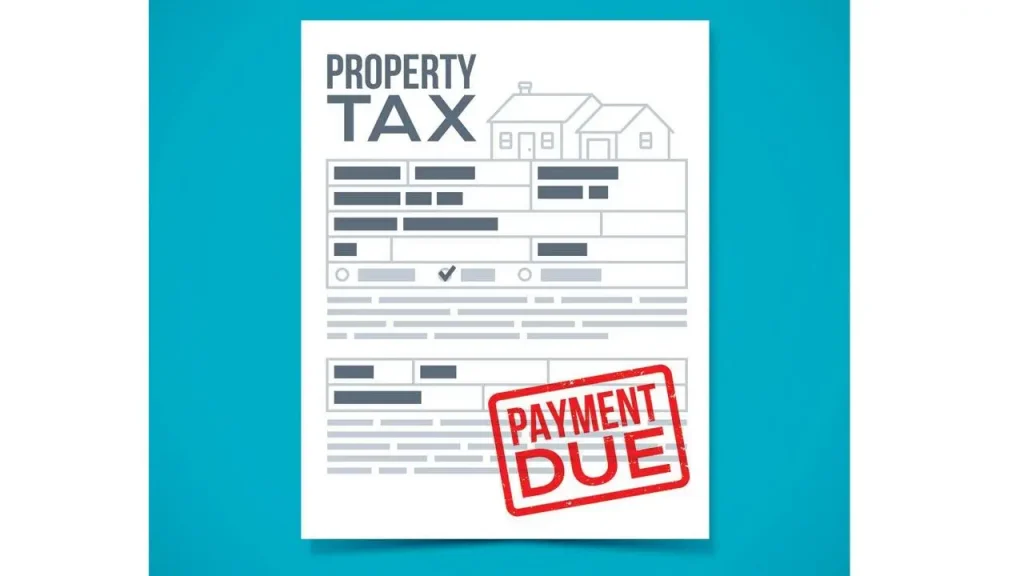
In most housing societies, property tax is handled as a routine financial task. Bills are received and paid without questioning how the amount is calculated. However, every tax bill is the output of a data-driven system maintained by municipal authorities. This includes flat size, building age, usage classification, and location factors. When this underlying data is incorrect, the bill may still look official but may not be accurate. This is where housing society accounting mistakes begin to overlap with compliance risks. Without reviewing the data behind the bill, societies operate on assumed correctness. Over time, this creates a cycle of unnoticed financial leakage and weak governance, especially during redevelopment or ownership transitions.
2. Tax Calculation Depends on Data Accuracy, Not Assumptions
Property tax in cities like Mumbai is calculated using structured systems where multiple data points determine the final amount. Carpet area, floor level, building category, and usage type are all critical inputs. In many housing societies, these details are never revalidated after initial entry or redevelopment updates. Committees often assume that official records are accurate, but in reality, errors persist for years. This reflects broader accounting errors in housing societies India, where records are maintained but not verified. The accuracy of tax payments is directly linked to the accuracy of data. Without periodic validation, even consistent payments may be based on incorrect assumptions, leading to long-term financial inefficiencies.
3. Data Errors Build Gradually and Remain Invisible
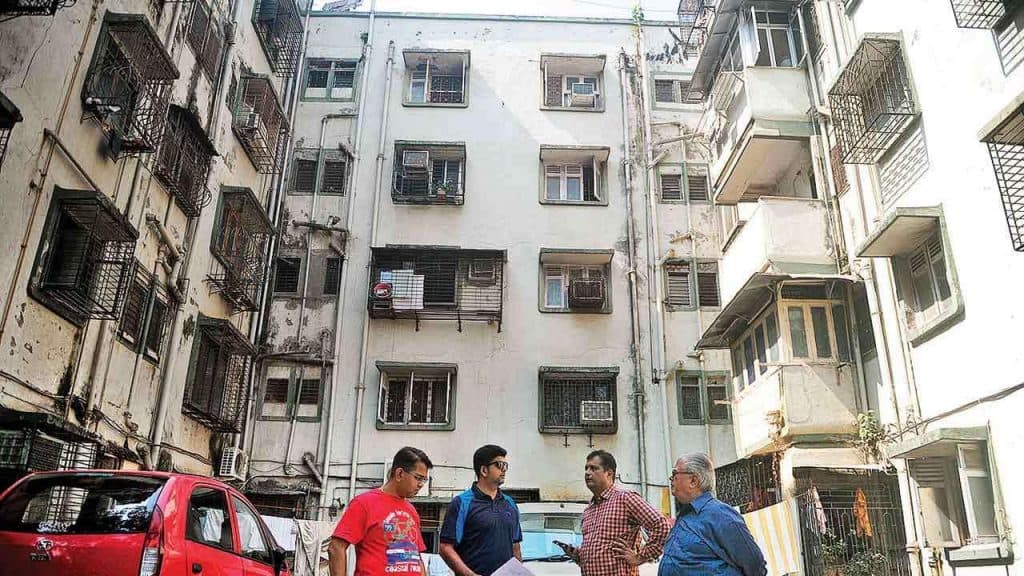
Data discrepancies in a housing society rarely occur overnight. They accumulate over time through redevelopment changes, flat amalgamations, incorrect unit mapping, and unrecorded ownership updates. In many cases, legacy records are carried forward without validation, creating compounding errors. Since tax bills continue to be generated annually, committees do not question their accuracy. This lack of verification is similar to society audit issues where documentation exists but does not reflect current realities. The absence of a review mechanism allows these errors to remain hidden until a dispute, audit, or correction notice surfaces. By then, the financial and administrative impact becomes significant.
4. Both Underpayment and Overpayment Create Financial Risk
Incorrect data leads to two possible outcomes. Either the housing society underpays property tax or overpays it. Underpayment may appear beneficial initially but often results in accumulated dues, penalties, and sudden financial burdens when corrected. Overpayment, on the other hand, is a silent loss where members continue paying excess amounts without realising it. Both scenarios stem from the same issue, which is unverified data. These patterns closely resemble housing society accounting mistakes where financial records do not align with actual liabilities. Understanding how to avoid audit problems in societies requires recognising that accurate payments depend on accurate inputs, not just timely transactions.
5. Governance Gaps Prevent Data Verification and Control
One of the key reasons property tax errors persist in a housing society is the lack of structured governance. Property tax is often seen as an individual responsibility rather than a collective system. Committees focus on maintenance and operations, leaving tax data outside structured review processes. There is no defined ownership for verifying municipal records or reconciling them with society documents. This results in decisions being made without validation or documentation. Such governance gaps weaken transparency and create long-term inefficiencies. BlockPilot consistently observes that when governance frameworks include data verification responsibilities, societies are able to identify discrepancies early and take corrective action systematically.
6. Documentation Gaps Make Verification and Correction Difficult
Property tax accuracy depends heavily on proper documentation. Many housing societies struggle because records are incomplete, scattered, or not maintained consistently. Essential documents such as past tax bills, payment receipts, assessment extracts, and updated carpet area records are often missing or unorganised. This becomes a major challenge during society audit issues, where committees are unable to justify discrepancies. Without proper documents, even genuine corrections become time-consuming and difficult. Documentation is not just record-keeping. It is the foundation of verification and control. A structured document management approach ensures that every data point used in tax calculation can be traced and validated when required.
7. Redevelopment Amplifies Data and Compliance Risks
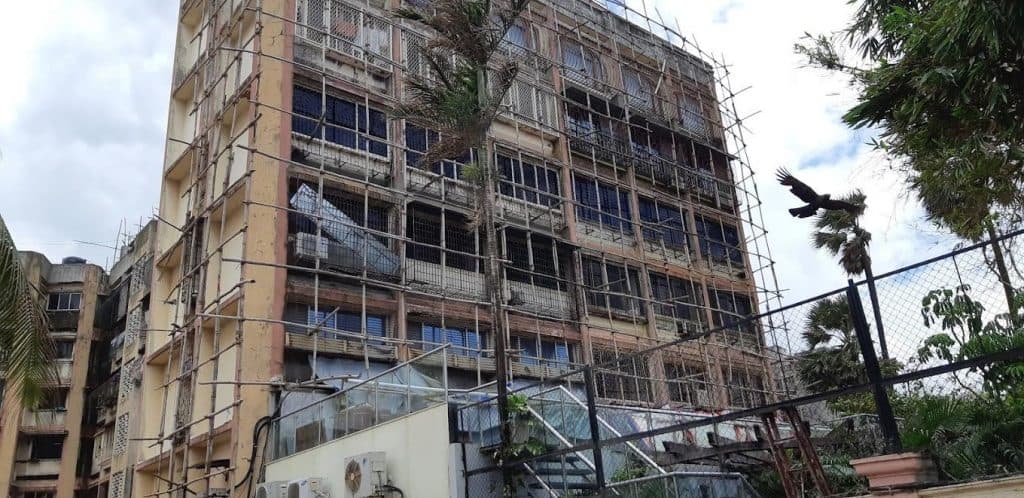
Redevelopment introduces significant changes in unit sizes, layouts, and building classifications. If these changes are not accurately updated in municipal records, property tax calculations become misaligned with actual configurations. In many housing societies, old and new data overlap, creating confusion and inconsistencies. Even in non-redeveloped buildings, incremental changes over time lead to similar issues. These gaps affect not only tax payments but also financial planning and redevelopment negotiations. Accurate data becomes critical for decision-making. BlockPilot has seen that societies that proactively manage data transitions during redevelopment avoid long-term disputes and financial corrections.
8. Property Tax Data Impacts Broader Society Decisions
Incorrect property tax data does not remain limited to individual flats. It affects the overall governance and financial clarity of the housing society. Budgeting becomes unreliable, member trust is impacted, and disputes arise when inconsistencies are discovered. In redevelopment scenarios, inaccurate data can influence negotiations and valuation assumptions. These challenges highlight that property tax is not an isolated activity. It is deeply connected to how a housing society manages its data, documents, and decisions. When data is inaccurate, every downstream decision becomes weaker.
Conclusion
Property tax in a housing society is not about paying bills on time. It is about managing data with accuracy, maintaining documents with discipline, and ensuring governance with accountability. Most societies do not face issues because they ignore tax. They face issues because they do not verify the data behind it. The shift is simple but critical. Move from payment to data management. BlockPilot consistently highlights that the real problem is not effort. It is the absence of structure, clarity, and control that connects data, documents, and execution into a reliable system.