In housing societies, poor decisions are often blamed for problems. But in reality, inaction costs far more than wrong action. Delayed repairs, postponed approvals, unresolved disputes, and “let’s wait and watch” decisions quietly drain society’s finances, weaken buildings, and create long-term risk. Committee inaction rarely looks dangerous at the moment. It feels cautious, responsible, and neutral. But over time, it becomes one of the most expensive mistakes a housing society can make.
What Committee Inaction Really Looks Like
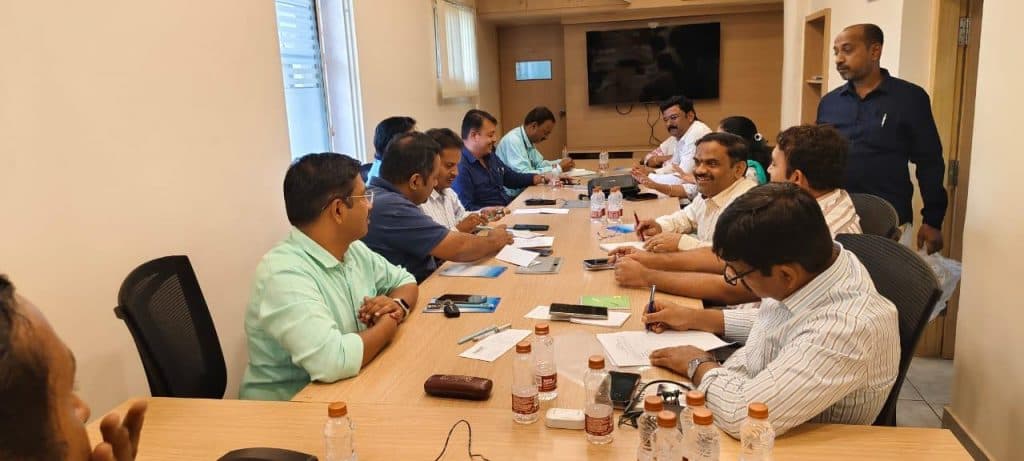
Inaction is rarely intentional. It shows up in familiar ways: “Let’s take one more quotation”, “We’ll decide after the next AGM”, “Let’s wait for complaints to increase”, “This committee’s term is ending anyway”. Nothing dramatic happens immediately. That’s what makes inaction so deceptive. But buildings don’t pause deterioration while committees deliberate.
The Financial Cost of Waiting
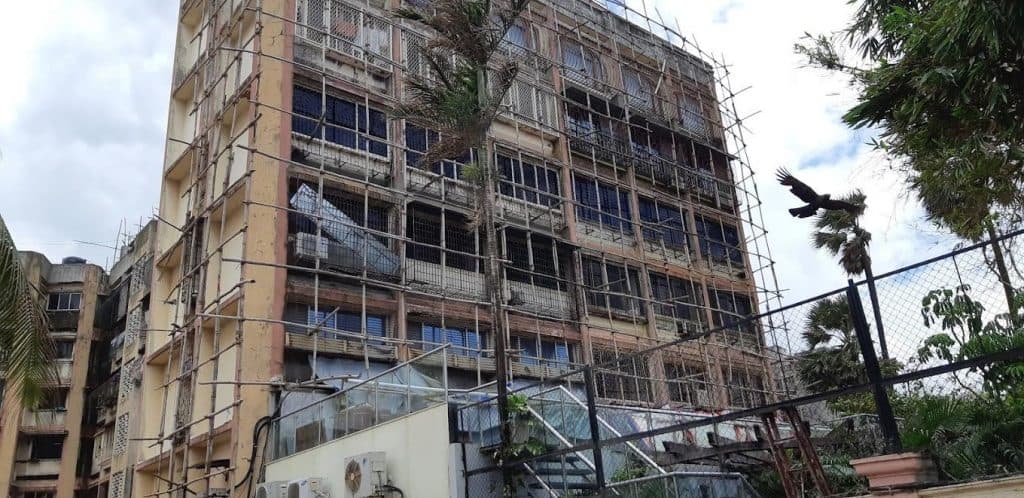
The most visible cost of inaction is financial and it compounds quickly. Small problems become large repairs: a minor leakage ignored today often becomes structural spalling tomorrow, electrical damage next monsoon, and interior compensation disputes later. A ₹50,000 repair delay can quietly turn into a ₹10–15 lakh project.
Emergency spending is always costlier. When work is delayed until failure, vendors charge premiums, choices are reduced, negotiation power disappears, and quality control weakens. Planned work is always cheaper than emergency work.
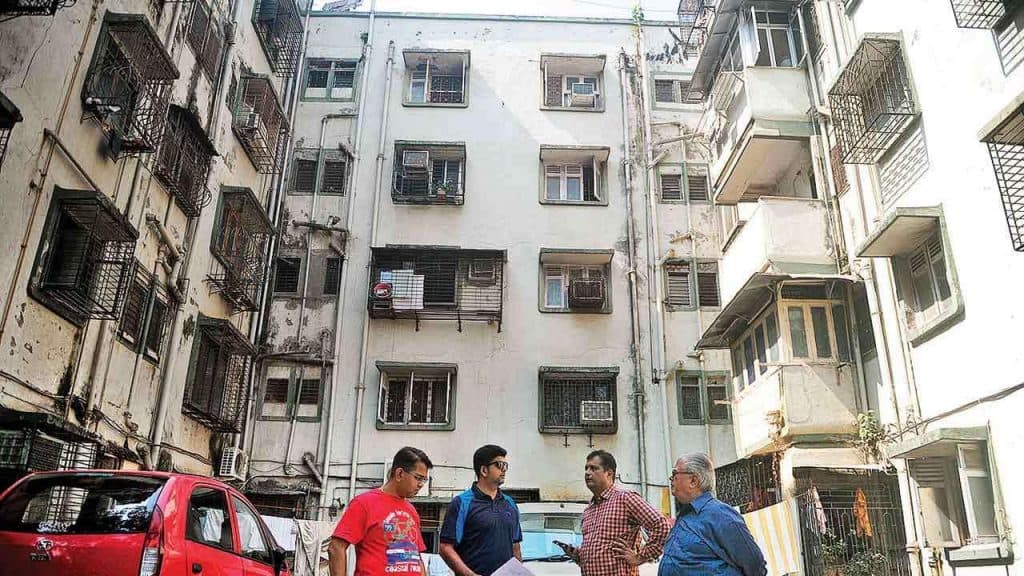
Buildings don’t fail suddenly; they weaken gradually. Delayed action leads to progressive RCC deterioration, corrosion of reinforcements, water ingress into load-bearing members, and increased risk during extreme weather. By the time visible damage appears, preventive options are already lost. For older Mumbai buildings, especially, inaction accelerates the journey from “repairable” to “redevelopment-dependent”.
The Human and Governance Cost
Committee inaction affects people as much as finances. Member trust erodes. Residents may tolerate delays initially, but repeated inaction creates suspicion, frustration, accusations of bias or incompetence, and escalation to legal notices or authorities. Once trust is lost, even good decisions face resistance. Committees burn out. Ironically, inaction increases workload. Unresolved issues generate repeated complaints, daily follow-ups, emotional conflicts, and volunteer fatigue. Committees spend more time firefighting than governing.
Why Committees Choose Inaction
Fear of getting it wrong is a major reason. Many committee members fear personal blame, member backlash, audit objections, and legal exposure. Doing nothing feels safer than making a visible decision. Short tenure thinking also plays a role. When committee terms are short, long-term benefits won’t be visible during the term, and difficult decisions are pushed to the next committee, creating governance gaps year after year. Information overload without clarity adds to paralysis. Committees receive conflicting vendor opinions, technical jargon, and incomplete reports, and without structured decision support, decision-making stalls.
Inaction Is Still a Decision
One uncomfortable truth every Managing Committee must accept is that choosing not to decide is still a decision with consequences. Active decisions can be corrected. Passive inaction compounds silently. Societies pay for inaction later with money, disputes, and structural damage.
How Inaction Impacts Redevelopment Readiness
For societies considering redevelopment, inaction is particularly damaging. Delayed documentation updates, unresolved member issues, and neglected repairs weaken negotiation power with developers, reduce feasibility options, increase resistance during consent collection, and trigger legal and technical roadblocks. Well-maintained, decisively managed societies enter redevelopment from a position of strength. Inactive ones enter from desperation.
How BlockPilot Looks at Committee Inaction
At BlockPilot, we work closely with societies across legal, civil, plumbing, MEP, compliance, and redevelopment-linked decisions. One pattern is consistent: inaction rarely comes from laziness it comes from lack of structured decision support. Committees struggle when decisions are emotionally loaded, information is fragmented, execution risks are unclear, and accountability is diffused. Our role is not to rush societies into action. It is to help them decide confidently and execute correctly. Good governance is not about speed; it is about timely, informed, and owned decisions.
Moving from Inaction to Controlled Action
Societies don’t need perfect answers; they need momentum with structure. Practical steps include identifying issues pending over 12 months, assessing the cost of delay, not just the cost of repair, separating technical facts from opinions, assigning single-point ownership for decisions, phasing execution instead of postponing entirely, and communicating rationale clearly to members. Action does not mean haste; it means intentional movement.
Final Thought
In housing societies, deterioration never waits for consensus. While committees deliberate, buildings age, costs rise, and risks grow. The true cost of committee inaction is not just financial; it is lost trust, weakened assets, and shrinking choices. Societies that learn to act thoughtfully, transparently, and with structure don’t just maintain buildings better. They govern better. And that is where strong decisions turn into lasting outcomes.