Fire Compliance vs Fire Readiness: The Dangerous Gap in Housing Societies
Published: 30th Mar 2026•By BlockPilot
Co-Op Housing Insights
Having fire safety systems in place does not mean a building is prepared for a fire. Across housing societies in India, especially in dense urban environments like Mumbai, most Managing Committees believe their buildings are fire-safe. Fire extinguishers are installed on every floor. Fire NOCs are renewed on time. Annual fire audits are conducted. On paper, everything appears compliant. Yet, when actual fire incidents occur, the response is often chaotic. Panic spreads. Equipment does not function as expected. Evacuation is delayed. Residents and staff are unsure what to do. The uncomfortable reality is this: fire compliance is not the same as fire readiness. Confusing the two creates one of the most dangerous hidden risks in residential buildings today.
1. Fire Compliance Answers Legal Questions, Not Safety Questions
Fire compliance is designed to satisfy regulatory requirements. In most Indian cities, this includes installation of prescribed fire equipment, periodic audits by authorised agencies, renewal of the Fire NOC, and submission of documentation to local authorities. Compliance answers a narrow but important question: have we met the minimum legal requirements? It does not answer far more critical questions. Will the system actually work during an emergency? Do residents know how to respond? Is the equipment accessible, functional, and understood by the people who may need it? Many societies stop at compliance and assume safety will follow automatically. Unfortunately, that assumption is often incorrect.
2. Fire Readiness Is About Real-World Response
Fire readiness is not about documents. It is about behaviour under stress. It focuses on how people, systems, and processes respond in real conditions. Fire readiness asks practical questions:
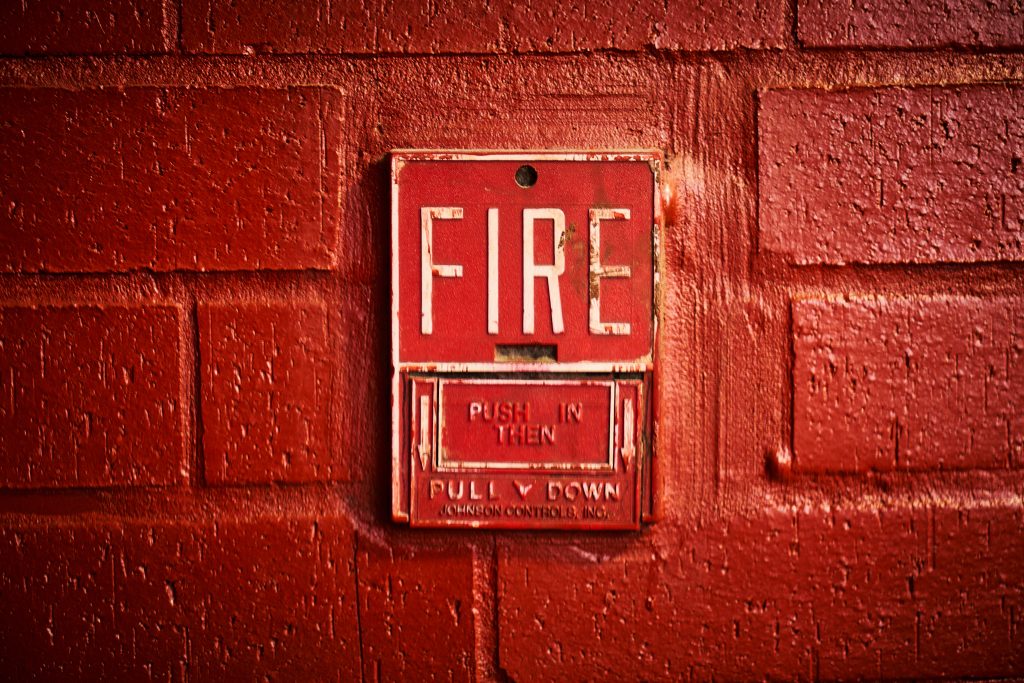
Fire Alarm
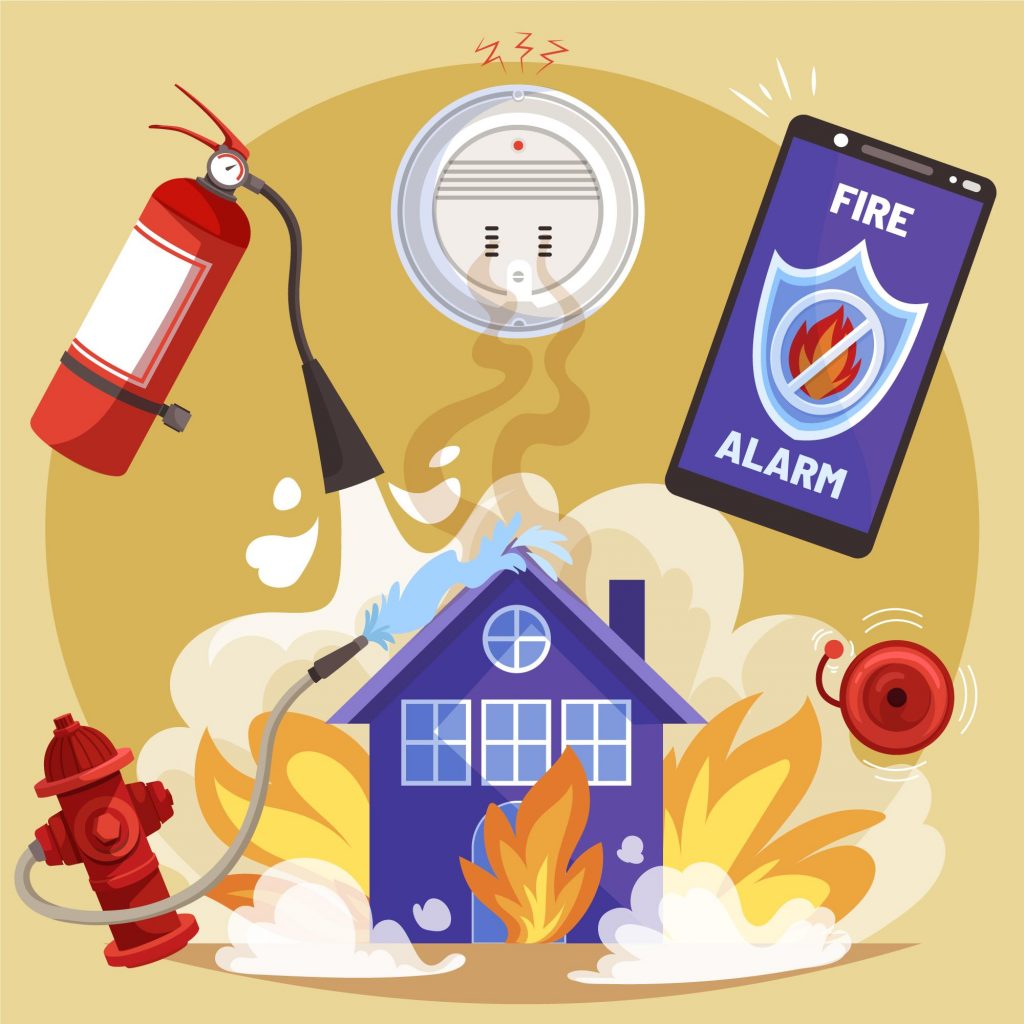
Will alarms activate and be audible?
Will sprinklers and hydrants work under pressure?
Can residents evacuate quickly and safely?
Do guards and staff know their roles?
Is emergency access clear for fire engines?
Fire readiness is not a certificate that can be renewed annually. It is a capability that must be built, tested, and maintained over time.
3. Why the Compliance Readiness Gap Exists
The gap between compliance and readiness exists for predictable reasons in housing societies. Fire audits often become routine exercises. Vendors visit the site, tick items off a checklist, submit a report, and raise an invoice. Committees approve the bill and move on. Very few committees ask whether equipment was actually tested, whether deficiencies were corrected, or who owns the follow-up. The audit is completed, but readiness does not improve.
4. Equipment Exists, but It Often Does Not Work
On-ground conditions tell a different story from audit reports.
Fire extinguishers are past expiry.
Hose reels are jammed or blocked.
Hydrants are obstructed by parked vehicles.
Pumps have not been pressure-tested.
Signage is faded or missing.
Equipment that exists but does not function is worse than no equipment at all. It creates false confidence and delays real response during emergencies.
5. No Training Means No Response
Most residents do not know evacuation routes or assembly points. Many have never participated in a fire drill. Security and housekeeping staff change frequently. Training is minimal or one-time. When an emergency occurs, panic replaces procedure. In real fire situations, untrained people freeze or make unsafe decisions, regardless of how compliant the building appears on paper.
6. Fire Safety Ownership Is Usually Unclear
In many societies, fire safety is assumed to be the vendor’s responsibility. In others, it is treated as the Chairman’s issue or handled informally by the Secretary. When responsibility is shared vaguely, accountability disappears. Fire readiness requires clear ownership. Assumptions do not protect lives.
7. The Real Cost of Fire Unreadiness
Fire unreadiness carries costs far beyond fines or notices. Safety risks are the most serious. In high-rise and aging buildings, delayed evacuation or non-functional systems can be fatal. There are also legal and governance consequences. After an incident, questions are asked about system functionality, training, and ignored gaps. Compliance certificates offer limited protection when readiness is absent. Insurance claims often fail when maintenance records are weak, equipment was non-functional, or procedures were missing. Financial exposure continues long after the incident ends.
8. Redevelopment and Repairs Increase Fire Risk
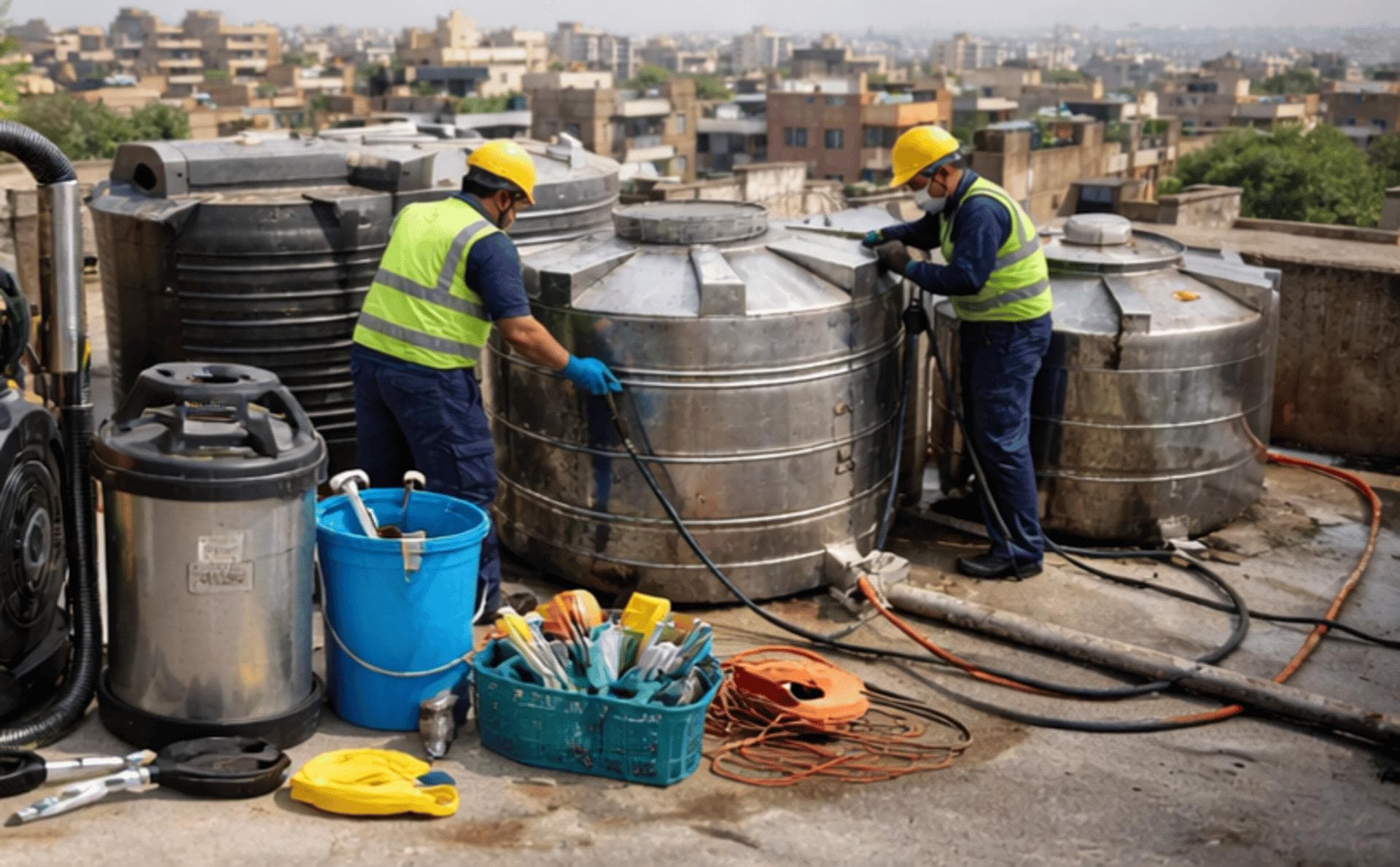
Fire risk rises sharply during structural repairs, waterproofing work, electrical upgrades, and redevelopment preparation. Temporary hazards are introduced. Access routes are blocked. Systems may be partially disabled. Societies that focus only on compliance often miss these transitional risks, even though this is when readiness matters most.
9. How Well-Run Societies Approach Fire Safety
Well-run societies treat fire safety as an operational system, not a compliance document.
They test equipment instead of merely inspecting it.
They conduct periodic drills instead of relying only on audits.
Staff training is repeated, not treated as a one-time exercise.
Ownership is clearly defined.
Follow-ups are tracked until closure.
They understand one simple truth: fire safety is not proven on audit day. It is proven on the worst day.
At BlockPilot, we work closely with housing societies across legal, civil, MEP, compliance, and redevelopment-related decisions. What we consistently observe is this: societies do not ignore fire safety; they misunderstand it. Compliance becomes the goal. Readiness becomes optional. Our execution-focused approach makes fire safety decisions visible, tracks gaps beyond audit reports, and ensures accountability across vendors, committees, and staff. The objective is simple: move societies from paper compliance to on-ground preparedness.Fire readiness is not about fear. It is about responsible governance.
11. Moving from Compliance to Readiness
Societies do not need perfection. They need intent supported by structure. This begins by:
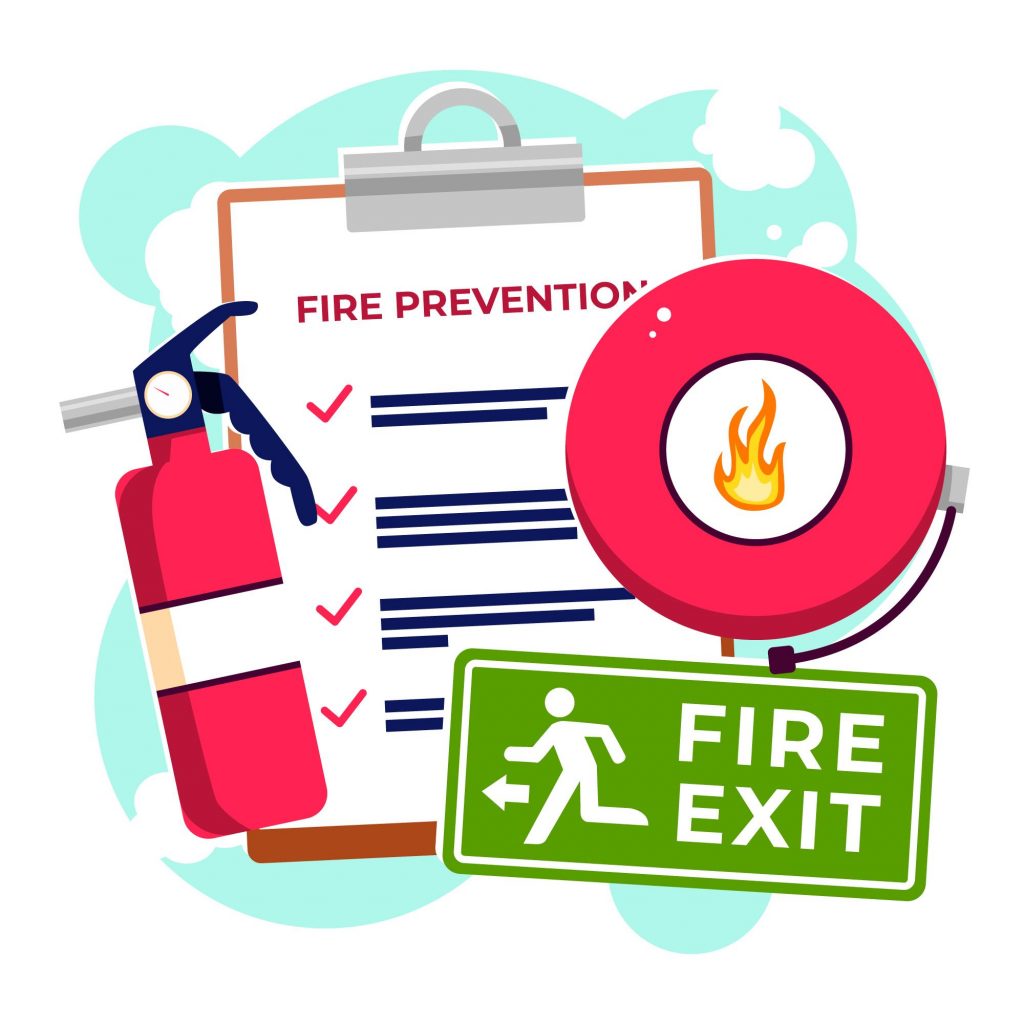
Auditing functionality rather than presence
Assigning single-point ownership
Conducting periodic drills
Keeping access paths clear
Tracking corrective actions to closure
Integrating fire safety into all major repair planning
Fire readiness is a process, not a certificate.
12. Conclusion: Compliance Satisfies Authorities, Readiness Protects People
Fire compliance keeps regulators satisfied. Fire readiness keeps residents safe. The gap between the two is where risk lives. Housing societies that recognise this distinction and act on it do more than protect buildings. They protect people. And that is the true measure of a well-governed residential community.
“Most societies are not unsafe because they lack systems. They are unsafe because they assume those systems will work. That assumption is the real risk.”